Supreme Leader Khamenei Killed in Tehran by 30-Point US-Israeli Strike.

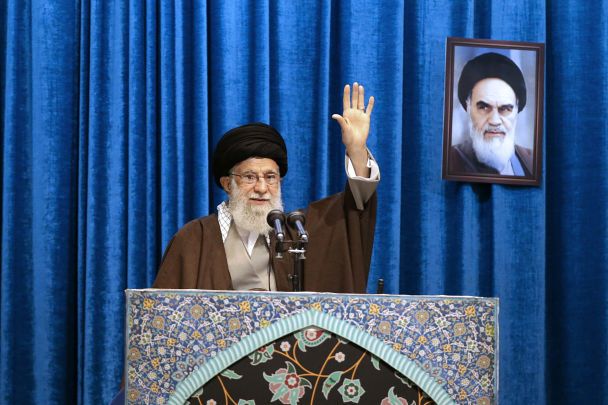
US-Israel Joint Operation
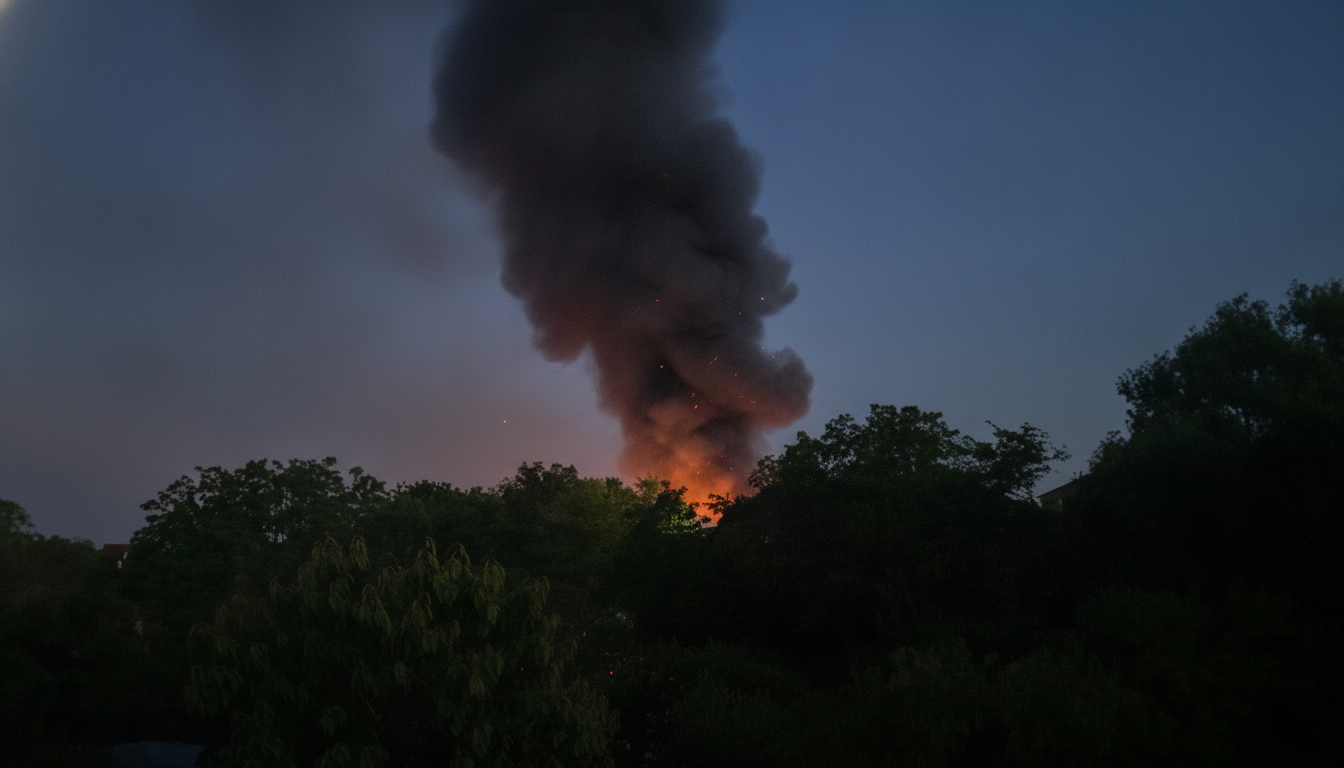
According to TSN.ua: In a major escalation, a joint US-Israeli military operation on the morning of March 1 resulted in the death of Iran's Supreme Leader, Ayatollah Ali Khamenei, along with several of his relatives. The attack in Tehran involved the use of 30 powerful bombs. This event marks a critical juncture in the already tense relations between Iran, the United States, and Israel, drawing sharp reactions from the international community. The strike represents one of the most significant direct actions against the Iranian leadership in decades.
Operation Details
The operation was carried out at approximately 9:40 AM local time on March 1, with Israeli fighter jets launching the 30 bombs. The strikes killed not only Ali Khamenei but also his daughter, grandson, daughter-in-law, and son-in-law. Iranian sources confirmed the deaths of three high-ranking officials from the country's defense ministry, indicating a severe blow to Iran's military elite.
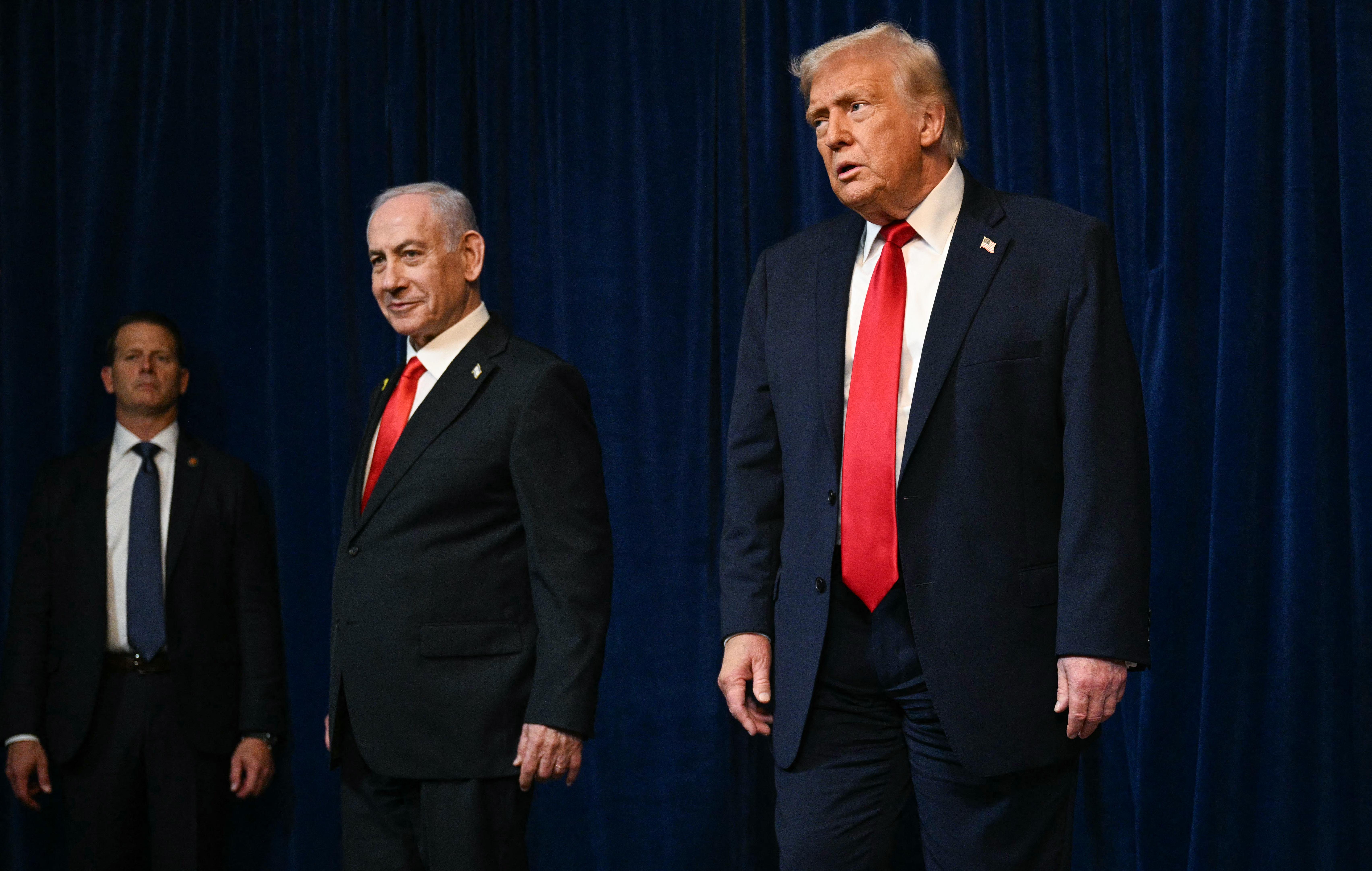
In response, the Iranian government declared a 40-day period of national mourning. This tragedy is profoundly significant for Iran, as Khamenei had been one of the nation's most influential leaders for decades. Former US President Donald Trump commented on the operation, stating:
“He failed to evade our intelligence and high-tech surveillance systems.” - Donald Trump
The operation served as a tactical surprise for Iran, suggesting potential vulnerabilities within the country's security apparatus. The surveillance technologies employed during the mission demonstrated the high effectiveness of American and Israeli intelligence. This incident is likely to have major consequences for the ongoing conflict in the Middle East.
It is crucial to note that actions of this scale risk provoking new cycles of violence across the region. The situation remains highly volatile, with the world watching its development closely. The attack on Khamenei could reshape Iran's political landscape and impact international relations in the Middle East, potentially opening a new and dangerous chapter in the conflict between Iran and its adversaries.
Read also
- Jerusalem Patriarch to Mediate Ukraine-Russia Talks: Key Negotiation Details Emerge
- 2026 World Cup Participants Denied Entry to the U.S.: Visa Rejection Hits Referee
- Iran Signals Readiness for Both Talks and Warfare in Response to U.S. Blockade
- Closed-Door Talks Between Zelensky and Trump’s Inner Circle: What We Know
- Trump's Iran Policy Has Painted Him Into a Corner: What’s Happening Now
- Trump Meets Patriarch Theophilos III; Putin Talks Announced for Late June