Seven Ingenious Ways Japan Stays Warm Without Central Heating.

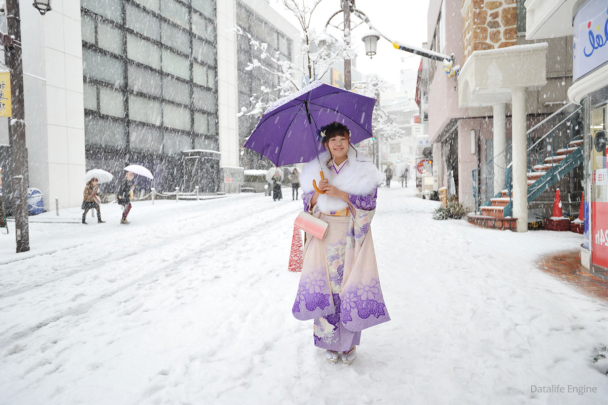
Seven Ingenious Ways Japan Stays Warm Without Central Heating
According to TSN.ua: While central heating is uncommon in Japan, winter temperatures can drop quite low, especially in central and southern regions where daily averages range from +5 to +10 degrees Celsius. To stay comfortable in their homes, the Japanese have developed a variety of alternative heating methods, blending tradition with modern convenience. This resourcefulness stems from a combination of architectural styles, energy considerations, and cultural practices.
Popular Heating Methods
- Kerosene Heaters: A highly economical option that quickly raises a room's temperature without significant expense.
- Yutanpo: A traditional metal hot water bottle that retains warmth for extended periods.
- Kotatsu: A classic heated table that provides a cozy focal point for families during cold evenings.
- Electric Heated Rugs and Blankets: These add warmth and comfort to living rooms and bedrooms.
- Kairo (Disposable Body Warmers): Small adhesive patches that provide heat up to 50-70 degrees Celsius for about 8 hours, a winter essential.
- Layered Indoor Clothing: Including specialized thermal wear known as 'body heaters' to maintain body temperature.
- Air Conditioners and Various Heaters: Oil-filled, gas, and kerosene heaters offer adaptable solutions for different needs and spaces.
Through this mix of traditional and modern technologies, the Japanese have numerous options to stay comfortable during winter months without relying on central heating systems.
This creative approach to staying warm reflects both cultural traditions and practical adaptation. From the communal warmth of a kotatsu to the personal convenience of a kairo, these methods demonstrate an effective use of available resources to improve quality of life in the cold season, all while navigating the unique challenges of Japan's climate and infrastructure.
Read also
- Thunderstorms and Temperatures up to +29°C Forecast for Ukraine on June 10
- Which Japanese Motorcycles Last Hundreds of Thousands of Kilometers? The Most Reliable Models from Honda, Suzuki, and Yamaha
- Quick Cheese and Kefir Pancakes: A Fast Breakfast Recipe
- Career Success by End of June: Tarot Predictions for These Zodiac Signs
- Luxury Makes a Comeback in Spring-Summer 2026: Draping Emerges as the Season’s Defining Trend
- Butter and Yogurt Cookies: A Foolproof Recipe from Gospodynka