A Guide to Winter Bird Feeding: Location and Nutrition for Survival.

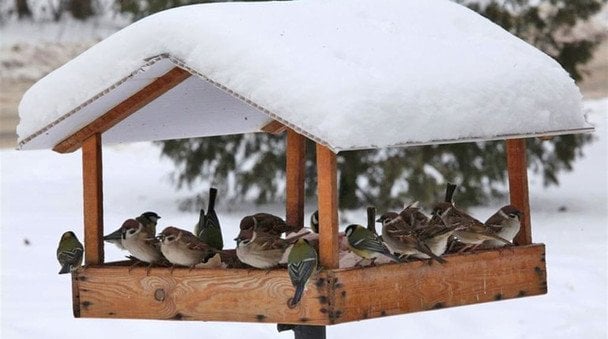
Supporting Birds Through the Winter: A Guide to Feeder Placement and Food
According to TSN.ua: Winter's arrival, with its freezing temperatures and heavy snowfall, makes it increasingly difficult for wild birds to find food. Extreme conditions like ice crusts and deep snow block their access to natural food sources. Providing supplemental feeding during this period is therefore a crucial act of support that can significantly aid their survival through the cold months. In many temperate regions, this seasonal support is a common and vital practice for local wildlife.
Where is the Best Place to Set Up a Bird Feeder?
Feeder placement is critical. Installing a feeder on a balcony above the third floor limits the number of bird species likely to find it. For the greatest benefit, choose a location accessible to a wider variety of birds, avoiding higher floors.
The Right Diet: What Should You Put in the Feeder?
Feeders can be crafted from various materials, including wooden houses, plastic bottles, and dried gourds. However, it is essential to remember that birds should never be given:
- fried food
- salty food
- sour food
- fresh bread
- citrus fruits
- chips
- spices
- potatoes
The best options are specialized birdseed mixes, seeds, nuts, and dried fruits.
Responsibility and consistency are key to successful bird support. Regular feeding is important: it is recommended to fill the feeder daily or on a strict schedule. This allows birds to rely on a predictable food source and reduces their risk of starvation.
Thus, feeding wild birds during winter frosts not only helps them survive but can also provide a wonderful opportunity to enjoy nature's beauty right from your window. Proper feeder placement and careful food selection ensure our feathered friends receive the necessary nutrients during this challenging time.
Providing food for wild birds in winter is an important aspect of preserving biodiversity and supporting local ecosystems. Supplemental feeding not only sustains them through critical periods but also helps foster environmental awareness in people. Interacting with nature through bird feeding can become a significant element in cultivating a love for the environment, especially for children who observe the birds and learn to care for them.
Read also
- Pantry Moths Invade Ukrainian Kitchens: How to Protect Your Food and Eliminate the Pest
- Cancers Warned of Challenges Between June 9 and 12 by Astrologers
- Three Zodiac Signs to Receive Powerful Cosmic Support on June 10
- Thunderstorms and Temperatures up to +29°C Forecast for Ukraine on June 10
- Which Japanese Motorcycles Last Hundreds of Thousands of Kilometers? The Most Reliable Models from Honda, Suzuki, and Yamaha
- Quick Cheese and Kefir Pancakes: A Fast Breakfast Recipe