From Japanese Kotatsu to New York Steam: A Global Tour of Winter Heating.

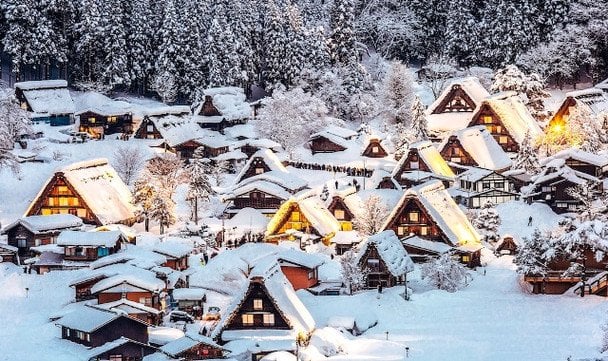
How Homes Are Heated Around the World
According to TSN.ua: As winter arrives, the question of how to stay warm becomes a priority across the globe. Different cultures and traditions have developed unique, often decentralized, heating solutions tailored to their environments. This article explores these diverse methods, from Japan to New York.
Regional Heating Practices
-
In Japan, central heating is found only in Hokkaido prefecture. Elsewhere, people rely on personal solutions like the kotatsu (a heated table), yutampo (hot water bottles), chemical hand warmers, and electric blankets. This reflects a highly individualized approach to comfort, where each person manages their own warmth.
-
Most homes in Great Britain are equipped with individual gas boilers. This system supports a culture of resilience and personal control, where residents use timers to manage home temperatures, aiming to conserve energy and reduce heating costs.
-
Germany has official recommendations for indoor temperatures: 20°C (68°F) for living rooms, 22°C (72°F) for bathrooms, and 16-18°C (61-64°F) for bedrooms. This calculated approach to heating also incorporates considerations for renewable energy sources.
-
In France, temperatures rarely fall below -5°C (23°F), influenced by the Gulf Stream. The country utilizes off-peak electricity tariffs for heating, highlighting how national energy policy helps residents manage comfort and cost.
-
Scandinavia and Northern Europe are noted for eco-friendly heating innovations. In Norway, for instance, only 7% of the population has access to district heating, indicating a widespread use of alternative heat sources. Iceland, in turn, primarily uses geothermal energy, underscoring its commitment to sustainable development.
-
In major cities like New York, a centralized steam heating system has been in operation since 1882. This network provides efficient heat to numerous residential and commercial buildings, offering a convenient and powerful solution for dense urban living.
In summary, approaches to home heating vary worldwide, shaped by cultural, economic, and natural conditions. From individual systems to centralized solutions, each region adapts to its specific context to ensure warmth and comfort during winter.
This overview illustrates how different countries address heating needs by drawing on their own traditions and available resources.
The growing focus on environmental aspects of heating, particularly in Scandinavia, points to a global trend toward sustainability and energy efficiency. Observing these diverse methods can help identify optimal solutions for comfort amid changing climatic conditions. For many English-speaking readers, these examples highlight alternatives to the common forced-air systems found in North America and parts of the UK.
Read also
- Quick Cheese and Kefir Pancakes: A Fast Breakfast Recipe
- Career Success by End of June: Tarot Predictions for These Zodiac Signs
- Luxury Makes a Comeback in Spring-Summer 2026: Draping Emerges as the Season’s Defining Trend
- Butter and Yogurt Cookies: A Foolproof Recipe from Gospodynka
- Compost in Just 10 Days: The Key Secrets to Rapid Waste Breakdown Revealed
- No-Sterilization Winter Pickles: A Simple 6-Step Recipe