Essential Food Storage Tips for Power Outages: Keeping Food Safe Without a Refrigerator.

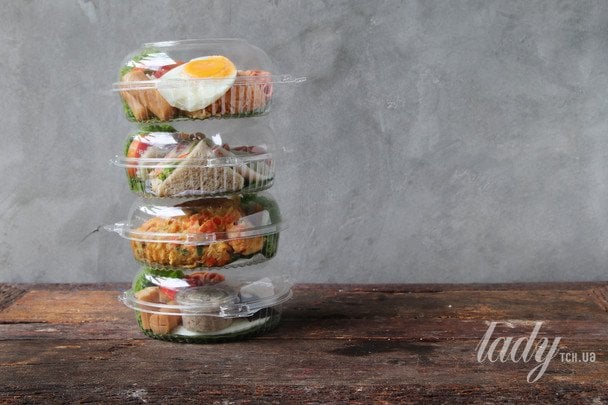
Keeping Your Food Safe When the Power Goes Out
According to TSN.ua: Knowing how to store food without a refrigerator is a crucial skill during extended power outages. These strategies will help preserve your food's freshness and prevent spoilage when you have no electricity. This knowledge is vital for households in regions prone to severe weather or grid instability.
Practical Food Preservation Methods
Eggs are relatively easy to store, remaining safe at room temperature for about one week. Butter requires a special technique: store it in an enamel or glass container submerged in water, changing the water daily to prevent it from going rancid.
Cottage cheese spoils quickly without refrigeration. It will last only one day if wrapped in a damp cloth. Hard cheese has better longevity; it can stay fresh for up to three days when wrapped in a linen napkin moistened with salt water. Any cooked meals should be consumed within 24 hours and kept in the coolest spot available, as heat accelerates spoilage.
Some foods are naturally suited for long-term storage without cooling:
- Dry goods (like rice and pasta),
- Canned foods,
- Dried and cured meats.
These items can form the backbone of your diet during a blackout. Bread, which molds quickly, can be converted into croutons or breadcrumbs by drying it out, significantly extending its usable life.
Winter conditions can simplify food storage, as colder temperatures naturally slow decay. In summer, however, extra caution is necessary due to the heat's role in speeding up food degradation.
By applying these methods, you can effectively manage your food supply without a refrigerator and ensure your family has necessary provisions during difficult situations. Being prepared with this information ahead of time can help prevent foodborne illness and reduce waste during unexpected emergencies.
Read also
- Cancers Warned of Challenges Between June 9 and 12 by Astrologers
- Three Zodiac Signs to Receive Powerful Cosmic Support on June 10
- Thunderstorms and Temperatures up to +29°C Forecast for Ukraine on June 10
- Which Japanese Motorcycles Last Hundreds of Thousands of Kilometers? The Most Reliable Models from Honda, Suzuki, and Yamaha
- Quick Cheese and Kefir Pancakes: A Fast Breakfast Recipe
- Career Success by End of June: Tarot Predictions for These Zodiac Signs