How Japan's Philosophy of Objects Transforms Our Approach to Consumption.

Transforming Consumption Through Japan's Reverence for Objects
According to TSN.ua: Rooted in the belief that a spirit, or kami, inhabits all things, a distinct Japanese philosophy encourages mindful consumption through deep respect for everyday objects and their histories. This worldview is exemplified by the concept of yaoyorozu-no-kami, which translates to "eight million deities" and underscores the significance of every single item in a person's life. This perspective offers a profound alternative to modern, disposable consumer culture, presenting a spiritual framework for material ethics.
Core Principles of the Japanese Relationship with Objects
Three key principles define this unique philosophy of material interaction:
- The belief that everything in one's surroundings possesses a spirit and therefore deserves respect.
- The term mottainai, expressing regret when something useful is wasted, which highlights the importance of rational resource use and conscious consumption.
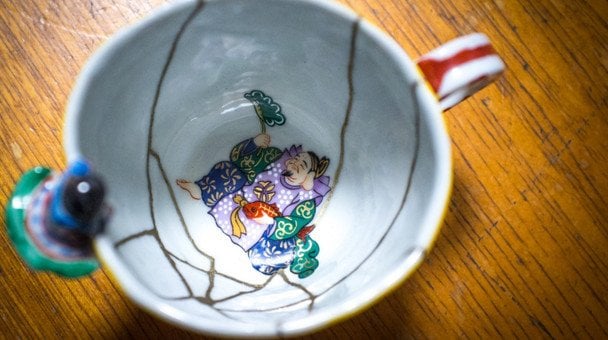
- Kintsugi, the art of repairing broken pottery with golden lacquer, which demonstrates how damaged items can gain new life and even greater value.
Further enriching this view is the folk belief in tsukumogami, spirits of old tools that gain wisdom after a century of faithful service. This embodies the idea that objects accumulate history and worth over time. In a world facing urgent environmental crises, this philosophy provides a practical model for sustainability. It challenges the contemporary focus on instant gratification and planned obsolescence, suggesting that value deepens with age and care.
As ecological concerns become increasingly pressing globally, Japan's philosophy of objects serves as a valuable example for rethinking our relationship with the material world. Mindful consumption, respect for items and their stories can help reduce waste and shift consumption patterns. Thus, this approach represents not merely a cultural phenomenon but a practical tool for the sustainable development of society.
This philosophy could form a foundation for re-evaluating modern economic models that often encourage irresponsible consumption. In the context of global challenges like climate change and resource depletion, the Japanese approach to objects offers pathways toward more sustainable development. Studying and adopting such concepts can help societies find a better balance between consumption and environmental preservation.
Read also
- Thunderstorms and Temperatures up to +29°C Forecast for Ukraine on June 10
- Which Japanese Motorcycles Last Hundreds of Thousands of Kilometers? The Most Reliable Models from Honda, Suzuki, and Yamaha
- Quick Cheese and Kefir Pancakes: A Fast Breakfast Recipe
- Career Success by End of June: Tarot Predictions for These Zodiac Signs
- Luxury Makes a Comeback in Spring-Summer 2026: Draping Emerges as the Season’s Defining Trend
- Butter and Yogurt Cookies: A Foolproof Recipe from Gospodynka