The Secret to Perfect Broth Lies in Your Cookware.

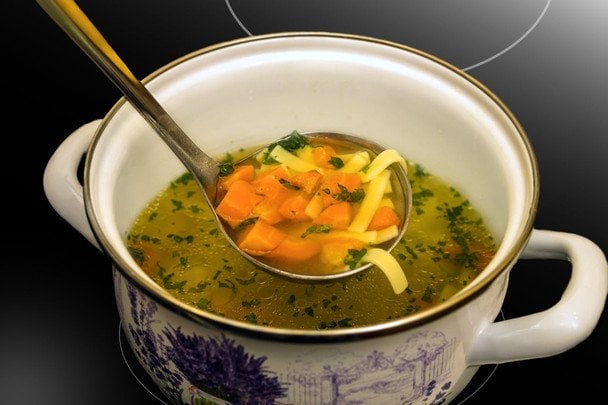
How Your Pot or Pan Makes or Breaks a Broth
According to TSN.ua: Crafting a perfect broth is as much a science as an art, and the cookware you choose is a critical variable in the equation. The material of your pot or Dutch oven directly influences the flavor, clarity, and richness of the final result. This guide examines which types of cookware will enhance your broth and which could ruin it.
Choosing the Right Cookware for Broth
-
Stainless Steel is a popular choice for broth-making. It's an alloy of iron and chromium, with nickel added in higher-quality models (grades 18/8 or 18/10). While it provides decent, even heating, its primary benefit is durability and non-reactivity. For the best flavor, a slow, steady simmer is essential, which stainless steel can achieve with careful heat management.
-
Cast Iron is an excellent option. It heats slowly but with perfect uniformity, which promotes superior extraction of flavors from bones and vegetables, leading to a deeply rich broth.
-
Aluminum Cookware is unsuitable for long simmering. Although lightweight and a quick heat conductor, it does not retain heat well enough for the slow, steady cooking required for broth.
-
Copper Pots can be a good choice due to their exceptional, even heating. However, they require an internal lining (like tin or stainless steel) to prevent reactions with the food, making them a more expensive investment.
-
Ceramic and Clay are ideal for slow oven-braising. These materials offer excellent heat insulation and retention, creating a gentle, consistent cooking environment. Their drawbacks include potential fragility and the need for specific care.
In summary, your choice of pot is a key factor that directly impacts a broth's taste. The ideal vessel provides even heating, chemical neutrality, and superior heat retention. The right cookware is a cornerstone of creating a delicious, aromatic broth, while a poor choice can significantly compromise the final product. For many home cooks, a heavy-bottomed stainless steel or enameled cast iron pot is the most versatile tool for the job.
By understanding the properties of different materials, any cook—from professional chefs to home enthusiasts—can achieve better results and avoid common pitfalls. This knowledge empowers you to make an informed choice that elevates a fundamental element of countless soups, sauces, and dishes.
Read also
- Quick Cheese and Kefir Pancakes: A Fast Breakfast Recipe
- Career Success by End of June: Tarot Predictions for These Zodiac Signs
- Luxury Makes a Comeback in Spring-Summer 2026: Draping Emerges as the Season’s Defining Trend
- Butter and Yogurt Cookies: A Foolproof Recipe from Gospodynka
- Compost in Just 10 Days: The Key Secrets to Rapid Waste Breakdown Revealed
- No-Sterilization Winter Pickles: A Simple 6-Step Recipe