India's Record Saudi Oil Imports Signal a Shift Away from Russian Crude.

India Ramps Up Saudi Arabian Oil Purchases
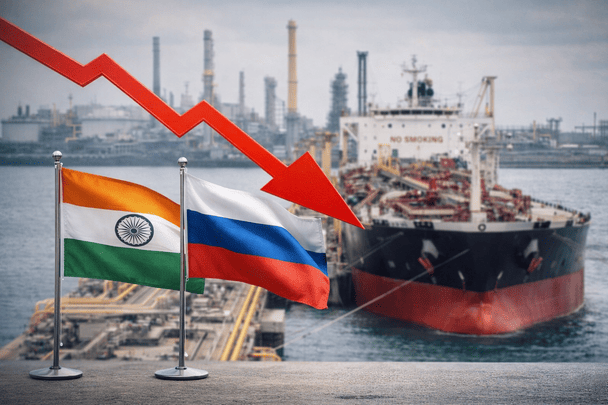
According to TSN.ua: Under pressure from the United States, India is set to import a record volume of oil from Saudi Arabia in February, scaling back its purchases of Russian crude. Projections indicate imports of 1 to 1.1 million barrels per day from the Kingdom, the highest level since November 2019. This strategic pivot reflects a broader recalibration of India's foreign policy in response to international sanctions and diplomatic pressure. India, the world's third-largest oil importer, is navigating a complex global energy landscape to secure its needs.
Concurrently, supplies of Russian oil to India are expected to reach 1.2 million barrels per day. Following Russia's 2022 invasion of Ukraine, India emerged as a major buyer of discounted Russian crude, with imports peaking at around 2 million barrels per day. However, forecasts suggest a significant reduction is imminent, with March 2024 imports potentially falling to between 800,000 and 1 million barrels per day, indicating a gradual move to lessen dependency on Russian energy resources.
Refinery Decisions and External Pressure
Planned maintenance at the Nayara Energy Ltd. refinery from April to May is also expected to affect import volumes. In early February 2024, Indian refineries began rejecting offers to purchase Russian oil cargoes, signaling a clear shift in their procurement policies. This comes as Russia's oil and gas revenues have collapsed to pandemic-era lows, a likely consequence of diminished demand from key partners like India.
U.S. pressure on India intensified at the start of the month following a statement from President Donald Trump, further highlighting the changing dynamics influencing India's energy policy. Consequently, the country continues to adapt its crude oil import strategy in line with the evolving international situation and economic conditions.
The surge in Saudi imports underscores a strategic realignment in India's energy policy, driven by external pressure and the need to diversify supply sources. This mirrors a global trend where nations are adjusting their energy procurement to a shifting geopolitical context. Market observers will be closely watching how these import flow changes impact global crude pricing and trade routes in the coming months.
Read also
- Survival of Crew Confirmed After US Army AH-64 Apache Chopper Crashes Off Oman Coast
- Trump Predicts Iran Deal Within Two Weeks: What We Know About the Talks
- Jerusalem Patriarch to Mediate Ukraine-Russia Talks: Key Negotiation Details Emerge
- 2026 World Cup Participants Denied Entry to the U.S.: Visa Rejection Hits Referee
- Iran Signals Readiness for Both Talks and Warfare in Response to U.S. Blockade
- Closed-Door Talks Between Zelensky and Trump’s Inner Circle: What We Know