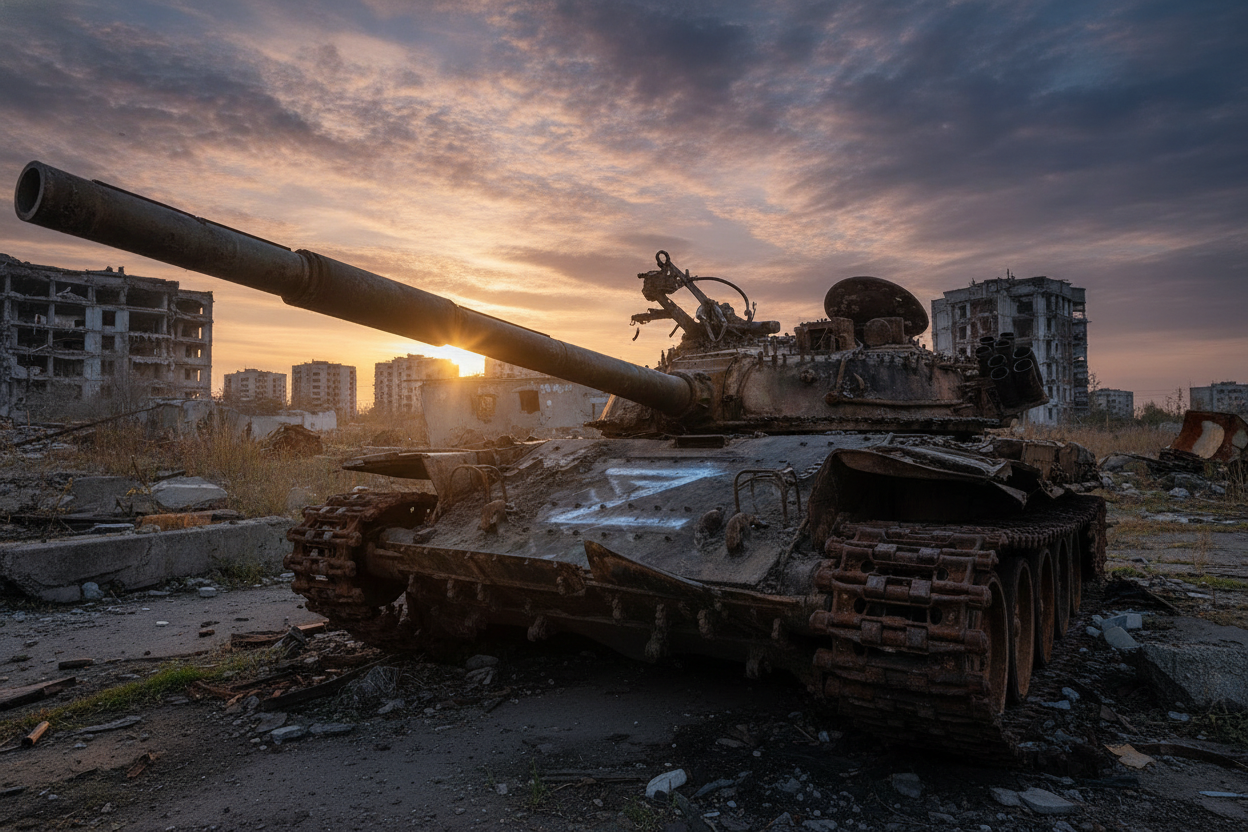
Iran Braces for Protracted Conflict with the United States Amid Middle East Tensions.

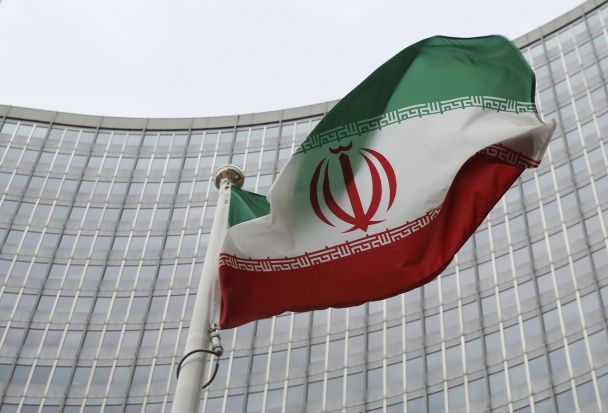
Latest Developments in the Middle East Conflict
According to TSN.ua: Brigadier General Ebrahim Jabbari of Iran's Islamic Revolutionary Guard Corps has declared the country's readiness for a prolonged confrontation with the United States. This statement follows recent regional events, including a preemptive strike by Israel against Iran on February 28. The Israeli attack triggered explosions in Tehran and other cities, such as Qom, Khorramabad, and Isfahan.
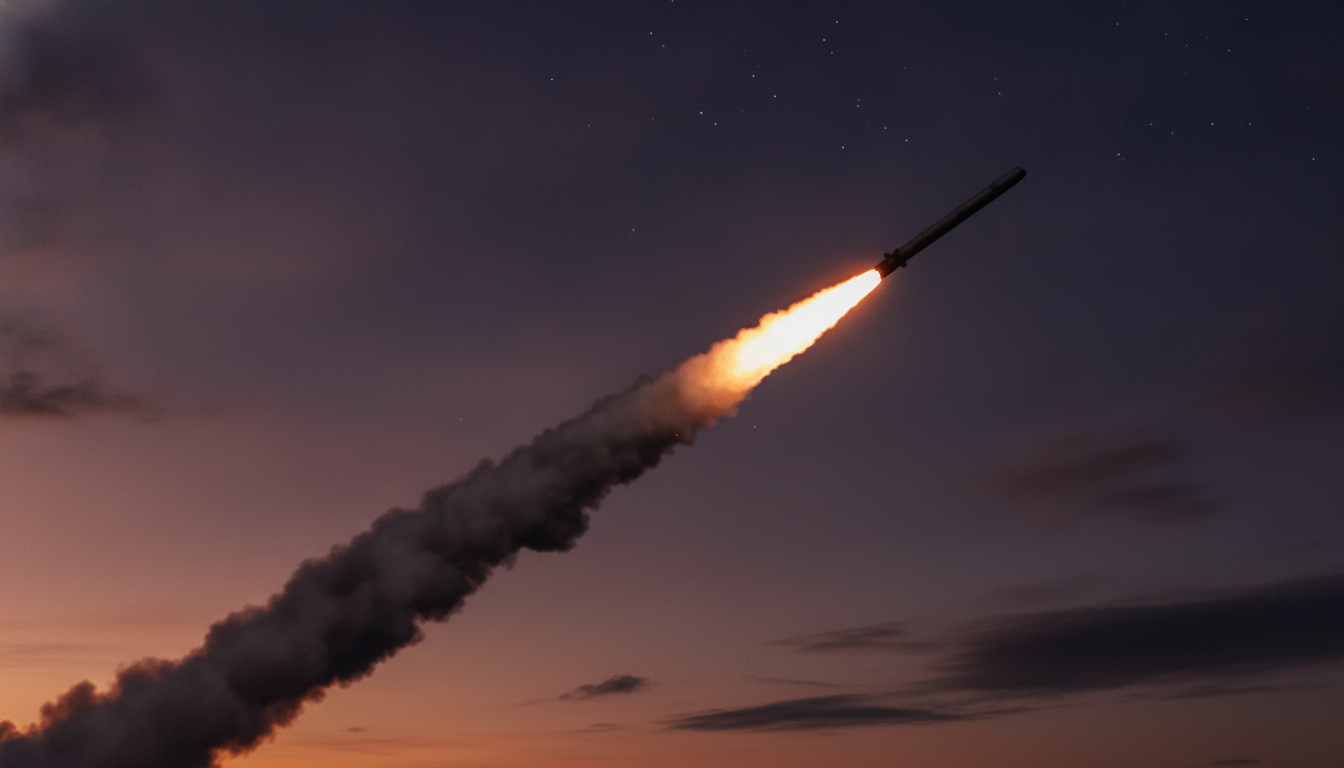
Israel struck approximately 30 targets, which reportedly included facilities belonging to Iran's Defense Ministry and residences of high-ranking officials. In retaliation, Iran launched attacks against targets in Israel and also struck US military bases in the region. US President Donald Trump confirmed this was a major operation against Iran, codenamed 'Epic Rage'. This escalation occurs within the long-standing strategic rivalry between Iran and Israel, where the US is a key ally of Israel.
State of Affairs in the Middle East
Following the start of the operation, Israel declared a state of emergency and closed its airspace. As Ebrahim Jabbari noted,
“We will first hit with everything in our arsenal, and then we will use our most powerful missiles.”These words underscore Iran's preparedness to escalate the conflict. Concurrently, Israel's Foreign Minister, Israel Katz, confirmed that preemptive strikes had already commenced.
The situation in the Middle East remains tense, with both sides continuing to prepare for further action. The potential for miscalculation is high, given the complex web of alliances and hostilities across the region.
This conflict is an extension of the enduring tension between Iran and Israel, compounded by significant US influence in regional affairs. The standoff could have serious implications for Middle Eastern stability, as both parties demonstrate a willingness to engage militarily, risking an escalation of violence and new humanitarian crises. Monitoring subsequent developments is crucial, as they are likely to impact international policy and security across the region.
Read also
- Jerusalem Patriarch to Mediate Ukraine-Russia Talks: Key Negotiation Details Emerge
- 2026 World Cup Participants Denied Entry to the U.S.: Visa Rejection Hits Referee
- Iran Signals Readiness for Both Talks and Warfare in Response to U.S. Blockade
- Closed-Door Talks Between Zelensky and Trump’s Inner Circle: What We Know
- Trump's Iran Policy Has Painted Him Into a Corner: What’s Happening Now
- Trump Meets Patriarch Theophilos III; Putin Talks Announced for Late June