Europe in the Crosshairs: Assessing Iran's Missile Arsenal and the Defenses Poised to Counter It.

The Iranian Missile Threat
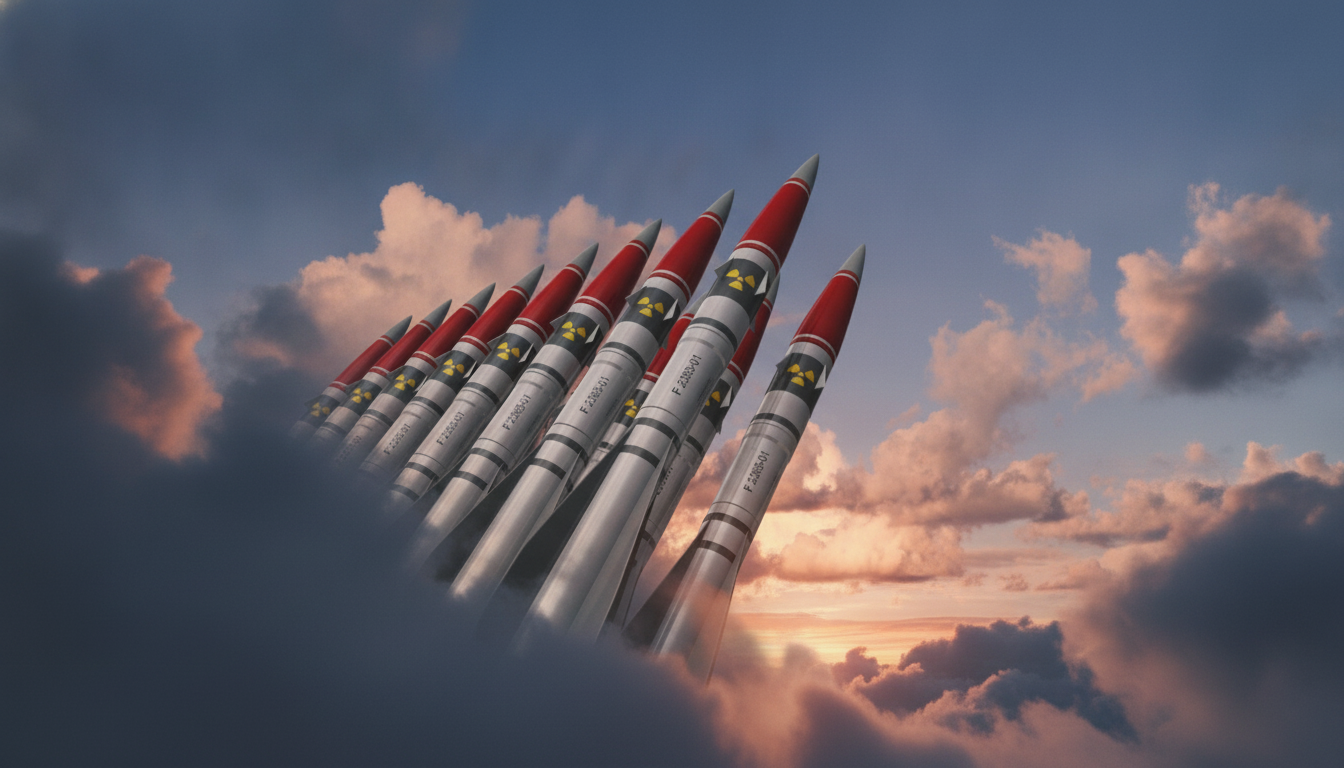
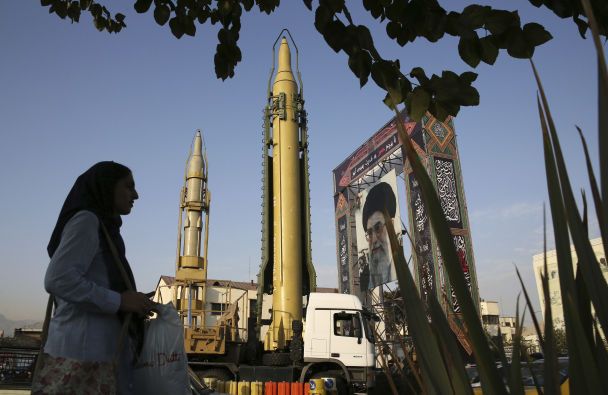
According to TSN.ua: Iran's ballistic missile arsenal poses a significant threat to European and Middle Eastern nations. Analysts highlight the dangers of systems like the Khorramshahr missile, which can carry a warhead weighing up to 1,800 kg and has an estimated range of 3,000 km, putting distant targets within reach. This capability is not merely theoretical; Iran has already launched over 770 ballistic missiles and more than 900 drones in various regional conflicts, demonstrating its willingness to use these weapons.
Key Systems in Iran's Arsenal
Iran's long-range strike capabilities extend beyond a single model. Its inventory includes other potent ballistic missiles such as:
- Sejjil
- Ghadr
- Emad
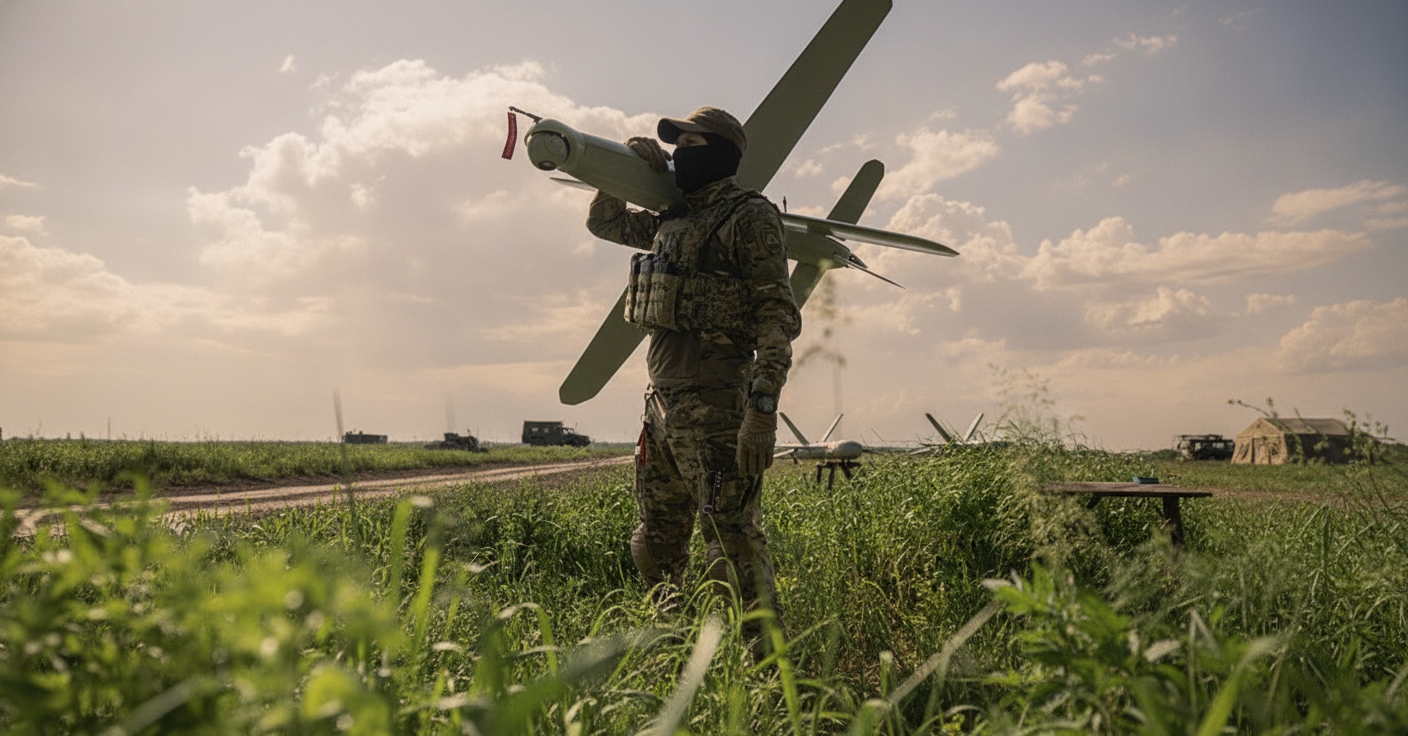
Like the Khorramshahr, these missiles are designed for long-distance strikes. Furthermore, Iran's cruise missiles, such as the Soumar, boast ranges of 2,000 to 3,000 km, underscoring the country's strategic reach. The threat is also airborne; Shahed-136 drones can travel up to 2,500 km, adding a versatile and lower-cost element to Iran's offensive options.
In response to Iran's growing military assertiveness, European and allied nations are bolstering their defenses. Germany plans to deploy the Arrow 3 missile defense system, which is scheduled to become operational by the end of 2025. Meanwhile, the U.S. Aegis Ashore system is already active in Romania, forming a critical part of NATO's defensive shield in Eastern Europe. These developments reflect a broader international effort to counterbalance Iran's expanding capabilities.
The threat posed by Iranian ballistic missiles underscores the critical need for international cooperation on security and defense.
European and Middle Eastern states continue to adapt their security strategies to meet these evolving challenges. The enhancement of defensive measures, including the deployment of advanced missile defense systems, demonstrates a commitment to deterring potential aggression. Maintaining regional stability will require sustained dialogue and collaboration among nations to address the complex security dynamics at play.
Read also
- Over 63,000 Ukrainian Soldiers Trained in the Netherlands as Interflex Mission Reaches New Phase
- NATO Jet Downs Drone Over Latvia, Fighter Jets Put on High Alert
- Ukraine Struck 111 Russian Military Sites in May—Moscow Lost Seven Times More Land Than It Gained
- Iran Launches First Direct Strike on Israel Since Ceasefire as Conflict Reaches 100-Day Mark
- Global Nuclear Stockpiles on the Rise: SIPRI Reveals Warhead Count
- Strike on Russia’s Baltic Fleet in Kronstadt: Expert Calls It an Unprecedented Moment in the War