Israel Launches Multi-Day Offensive Against Hezbollah in Lebanon.

Israel Begins Offensive Campaign Against Hezbollah
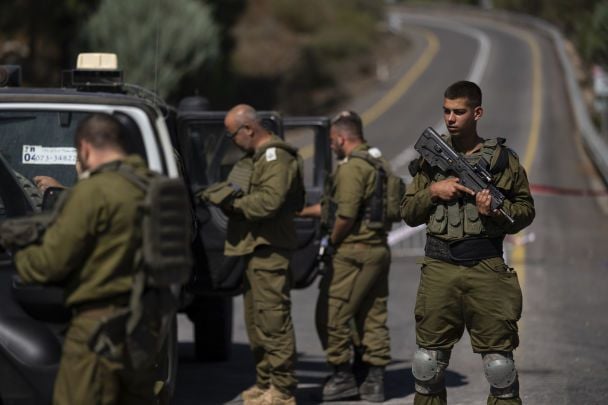
According to TSN.ua: The Israel Defense Forces (IDF) have announced the start of an active offensive operation within Lebanon, targeting the Hezbollah militant group. IDF Chief of Staff Lieutenant General Eyal Zamir confirmed the campaign's commencement, stating:
"We have initiated an offensive campaign against Hezbollah. We are no longer merely on the defensive—we are now taking the fight to them." - Lieutenant General Eyal Zamir
This military action, expected to last several days, is a direct response to a large-scale nighttime barrage of rockets and drones launched by Hezbollah. This escalation marks a significant shift from the defensive posture Israel has maintained along its northern border for months.
Conflict Escalation
As part of this new phase, Israeli airstrikes have already targeted Hezbollah sites in Beirut and southern Lebanon. The situation along the Israeli-Lebanese border remains highly volatile, indicating a serious regional escalation. A key catalyst for the intensified hostilities was the killing of senior Hezbollah commander Mohammad Raad, a loss that could significantly impact the group's leadership structure.
All these factors suggest that regional tensions are likely to remain high, with combat operations potentially continuing for an extended period. The Israeli military is preparing for further action in response to threats from Hezbollah and is intensifying its efforts to secure its territory.
The escalating conflict between Israel and Hezbollah reflects the broader instability in the Middle East, where a complex mix of political and military factors continually shapes regional security. Following the elimination of key Hezbollah figures and the activation of a full offensive, reactions from other regional actors remain a concern, potentially leading to greater instability. These developments require close monitoring by the international community due to their potential for serious consequences across the region.
Read also
- Over 8,000 Russian Troops Eliminated by SBU Special Forces in May: Enemy Suffers Record Losses
- Overnight, Ukraine's Air Defense Downs 146 Drones in Massive Russian Missile and UAV Assault
- Blasts in Belgorod: Ukrainian Defense Forces Involvement Analyzed by Expert
- Russian Forces Withdraw from Kinburn Spit: What’s Happening in Mykolaiv Region
- Ukraine Repels Massive Russian Attack: 146 Drones and Missiles Shot Down
- Over 1,376,000 Russian Troops Eliminated, Ukraine’s General Staff Reports