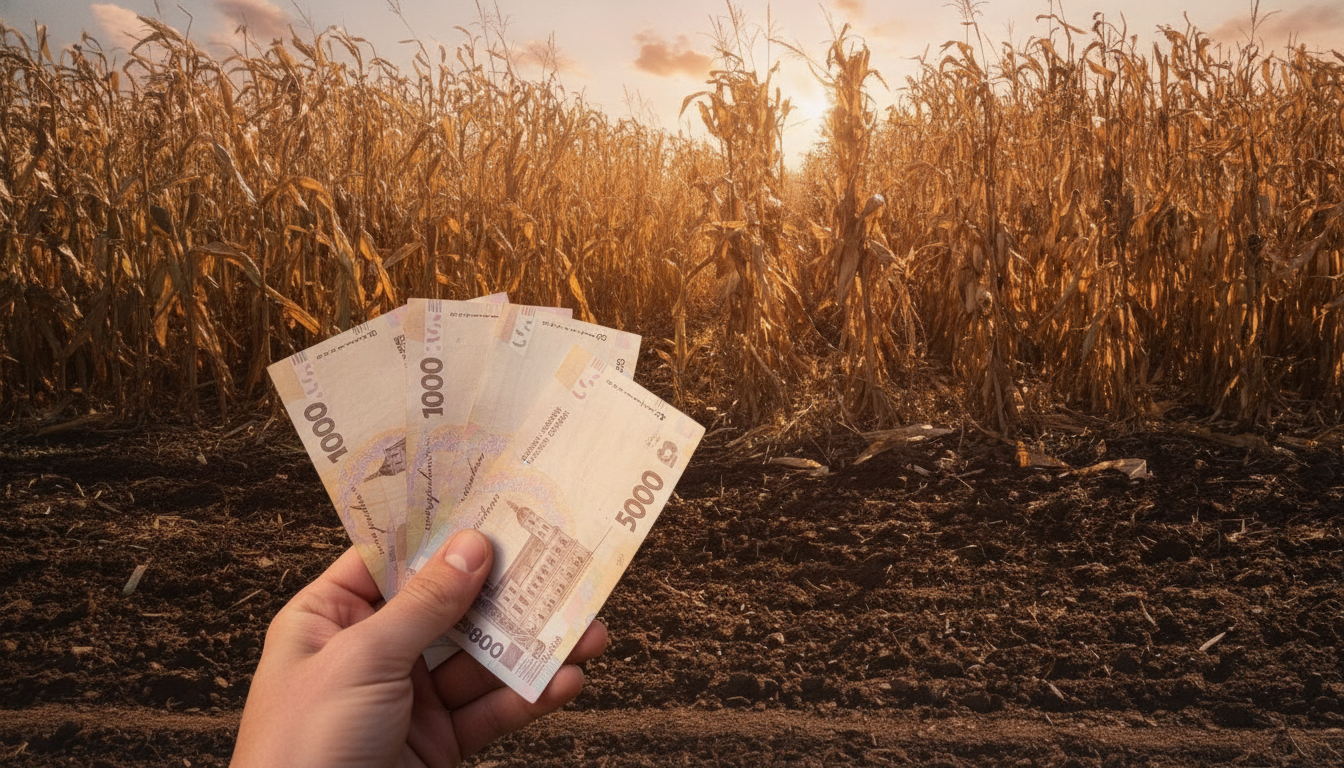
Ukraine's $8 Billion IMF Loan at Risk Over Business Tax Reform Impasse.

Ukraine's IMF Loan: A Critical Juncture
According to TSN.ua: Ukraine's $8 billion loan program with the International Monetary Fund (IMF) is now in jeopardy. The core issue is the government's inability to implement agreed-upon tax increases for small businesses. A key part of the reform involves raising the revenue threshold for mandatory Value-Added Tax (VAT) registration from 1 million hryvnias to either 2 or 4 million hryvnias. This delay threatens the stability of the nation's tax system and its compliance with the IMF's lending conditions.
Loan Terms and Fiscal Reforms
The stringent terms for this four-year aid package were agreed upon in November 2025. However, the submission of the corresponding draft law has been postponed until February 10th, raising serious concerns about Ukraine's ability to meet its obligations on time. An IMF review of the entire assistance package is scheduled for the end of this month, placing the government under significant pressure. This situation highlights the difficult balance Ukraine must strike between securing vital international funding and protecting its domestic economy.
It is important to note that new tax rates for individual entrepreneurs (FOPs) have already taken effect as of January 1, 2026. The maximum monthly single tax for a Group 1 FOP is now 332.80 hryvnias, while the cap for a Group 2 FOP is 1,729.40 hryvnias. These changes are already impacting the financial health of small businesses, which in turn complicates the broader effort to fulfill the IMF's requirements.
Furthermore, internal government divisions have surfaced, with President Zelenskyy reportedly criticizing the Finance Minister in private for agreeing to such unpopular conditions. This dispute underscores the political difficulty of enacting austerity measures demanded by international lenders. Amid this uncertainty, Ukraine faces profound challenges in maintaining financial stability and fostering small business development.
This predicament underscores how crucial a stable tax system is for Ukraine's economic development, particularly given its growing obligations to international creditors.
The internal debates within the government may also signal potential shifts in economic policy that could affect the country's investment climate. The dual imperatives of supporting small businesses and honoring cooperation terms with the IMF remain critically important for Ukraine's future economic growth.
Read also
- Russia Losing Its Grip in Azerbaijan, Moldova, and Armenia, Zelenskyy Claims
- Ahead of G7 Summit, Zelenskyy and Macron Align Diplomatic Strategies
- Ukraine to Receive Anti-Ballistic Support from E3 Nations: What It Means for Kyiv
- Zelensky Warns Trump: Putin Lies and Has No Interest in Negotiations
- Zelensky reveals split inside Putin’s inner circle: half want the war to end
- Abramovich's Kyiv Visit Confirmed by Zelensky; Chelsea Sale Funds to Be Used for Air Defense