Winter's Toll on Your Car Battery: How Long to Drive for a Full Charge.

Why Car Batteries Struggle in Winter
According to TSN.ua: Cold weather presents significant challenges for car batteries, often leading to chronic undercharging and premature failure. Low temperatures severely impact a battery's cranking power, reducing its output from a typical 600 amps to just 200-250 amps at -20 °C (-4 °F). This dramatic drop in performance is a primary reason for cold-weather starting problems.
To fully recharge a battery at these frigid temperatures, the engine must run continuously for at least 1.5 to 2 hours. This highlights how short winter trips can gradually deplete the battery's charge, accelerating its demise. For drivers, this means that hours of engine runtime are far more critical than minutes, especially during the colder months. This is a common issue in colder climates where vehicles are used primarily for brief commutes.
Essential Tips for Drivers
Key takeaways for motorists include several practical recommendations:
- Brief trips in freezing conditions are detrimental to battery health.
- Regular maintenance is crucial: aim to let your car run for an extended period once every week or two to allow the battery to recharge completely.
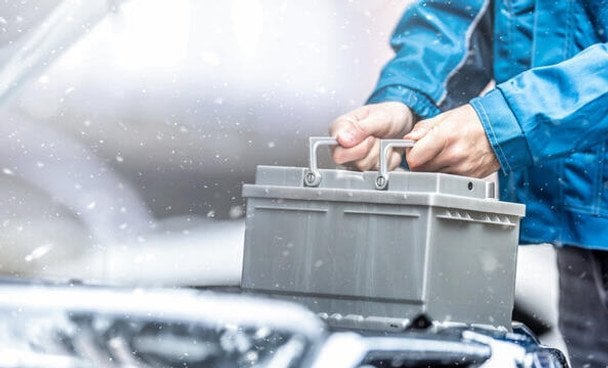
- During extreme cold snaps below -20 °C, the best practice is to remove the battery and charge it indoors using a dedicated charger to avoid starting issues.
Furthermore, choosing a high-quality battery is vital. A reliable 60 Ah battery should weigh between 15 and 18 kg (33 to 40 lbs). A heavier battery from a reputable brand often provides greater assurance for starting your car in any weather. Drivers who follow this advice can significantly reduce the risk of battery failure during winter's chill.
This guidance is particularly important for drivers planning winter journeys, as it underscores the necessity of diligent battery care in low-temperature conditions.
Heeding these tips can substantially lower the risk of starting problems and extend your battery's lifespan, which is especially pertinent in winter. Understanding how batteries perform in the cold helps drivers avoid unexpected and potentially dangerous roadside situations.
Read also
- Evergreen Charm All Year Round: Why Golden Euonymus Fortunei Shines in Any Garden
- Pantry Moths Invade Ukrainian Kitchens: How to Protect Your Food and Eliminate the Pest
- Cancers Warned of Challenges Between June 9 and 12 by Astrologers
- Three Zodiac Signs to Receive Powerful Cosmic Support on June 10
- Thunderstorms and Temperatures up to +29°C Forecast for Ukraine on June 10
- Which Japanese Motorcycles Last Hundreds of Thousands of Kilometers? The Most Reliable Models from Honda, Suzuki, and Yamaha