Germany's Military Transformation: A €600 Billion Investment in the Bundeswehr Post-Invasion.

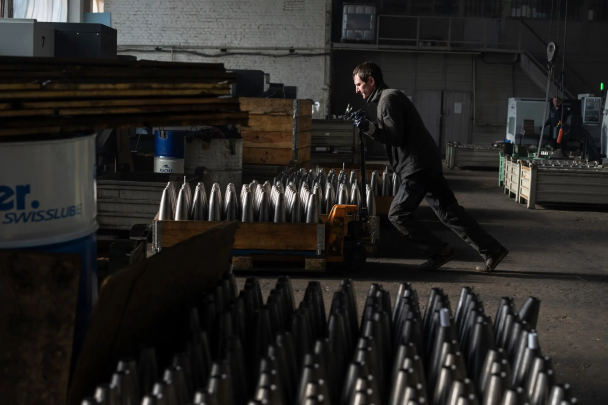
Germany and Poland Ramp Up Defense Spending
According to TSN.ua: In the wake of Russia's invasion of Ukraine, Germany has dramatically increased its military investments. The government has allocated €100 billion for the modernization of the Bundeswehr and plans to spend an additional €500 billion on its armed forces and related infrastructure. This move underscores Germany's serious intent to bolster its defensive capabilities in the face of growing security threats. This marks a historic shift for a nation long cautious of major military expenditure.
Simultaneously, Poland is intensifying its own defense efforts. The country aims to establish a large-scale military reserve by 2026. The core of Poland's future force will consist of:
- 300,000 professional soldiers
- 200,000 reservists
This demonstrates the Polish government's commitment to ensuring national security and preparedness for potential challenges.
Frank Sauer, a defense expert, noted: 'Young graduates previously had no interest in the defense industry whatsoever. That has changed.'
This comment highlights how shifts in the global security landscape are influencing the mindset of the younger generation. The preparations by Germany and Poland for potential military conflicts reflect a serious approach to regional security. Billions in investments and efforts to build military reserves could reshape Europe's defense architecture, though this also raises questions about the challenges that could hinder the European defense industry.
Europe's New Security Reality
Collectively, these actions point to a new security reality in Europe, where nations are striving to adapt to emerging threats by strengthening their armed forces and investing in defense.
The surge in military investment by Germany and Poland reflects not only internal needs but also the necessity to respond to changing geopolitical circumstances in Europe. Amid growing threats from Russia, these countries are working to ensure their own defense, which could, in turn, impact strategic stability in the region. The successful implementation of these initiatives could become a significant factor in shaping a new EU defense policy more focused on collective security.
Read also
- Bosnia and Herzegovina Joins Coalition for the Return of Ukrainian Children, Says Foreign Minister Sybiha
- Ukraine Launches Hungarian-Language YouTube Channel: 340,000 Views in Just Days
- Russia Intensifies Terror Against Civilians, Ukraine’s Foreign Minister Warns After New Casualties
- Russian Army Imposes Shell Restrictions: What It Means for the Frontline
- Ukraine Charges 10 Russian Soldiers for Drone Strikes Targeting Civilians in Kherson
- New Warhead for Russian Kalibr Missiles: What Ukraine’s Defense Ministry Uncovered