NORAD Scrambles Nine Fighters as Russian Bombers Approach Alaskan Airspace.

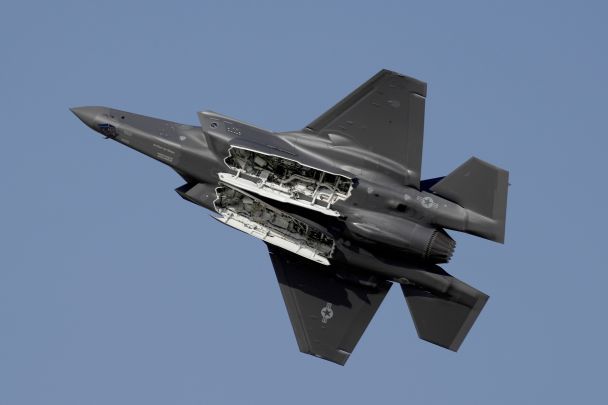
NORAD Intercepts Russian Military Aircraft
According to TSN.ua: North American Aerospace Defense Command (NORAD) launched nine fighter jets to intercept a formation of Russian military aircraft approaching Alaska. The response was triggered by the detection of five Tu-95 strategic bombers, two Su-35 fighter jets, and an A-50 reconnaissance plane operating within the Alaskan Air Defense Identification Zone (ADIZ). Such intercepts are a standard but serious procedure for monitoring and identifying aircraft near sovereign airspace.
Pattern of Russian Aerial Activity
This incident is part of a recurring pattern of Russian long-range aviation flights near Alaska. In 2024, two Tu-95MS bombers were tracked over the Bering and Chukchi Seas. Previously, in September 2025, U.S. aircraft were also scrambled to intercept Russian Tu-95 and Su-35 aircraft. The Alaskan ADIZ is an international airspace buffer zone requiring military vigilance and rapid response to any potential incursion.
On February 19, NORAD tracked two Tu-95 strategic bombers, two Su-35 fighters, and an A-50 aircraft. Another detection occurred on February 18, 2025, when Russian military planes were identified in the Alaskan ADIZ, further underscoring the need for constant air defense readiness in the region.
These events highlight the critical importance of airspace security and the readiness of U.S. forces to respond to potential threats. The following U.S. and allied aircraft types have been involved in these monitoring and interception operations:
- Tu-95
- Su-35
- A-50
- F-16
- F-35
- E-3
- KC-135
The repeated activity reflects complex geopolitical dynamics, with Russian military aviation operations near North America causing concern for U.S. defense officials. NORAD's heightened state of readiness demonstrates the strategic U.S. commitment to safeguarding its airspace, which is a key factor for maintaining regional stability.
Read also
- Finland Concludes Border Breach Probe: Russian IL-18 Jet Entered Its Airspace
- Ukrainian Forces Strike 36 Russian Targets: Moscow’s Daily Losses Revealed
- Ukraine’s Military Shifts Tactics with Robotics as Russian Losses of Land and Equipment Mount
- Ukraine Strikes Russian Munitions Depots in Belgorod Region and Command Centers in Donbas: Key Details
- Ukraine’s Intelligence Reveals Top Target: Disrupting Russian Logistics in Crimea and Transnistria
- Ukraine War Set to Outlast World War I: A Key Date Emerges