Fuel Briquets to Replace Firewood for Heating in 2026: A Cost Analysis.

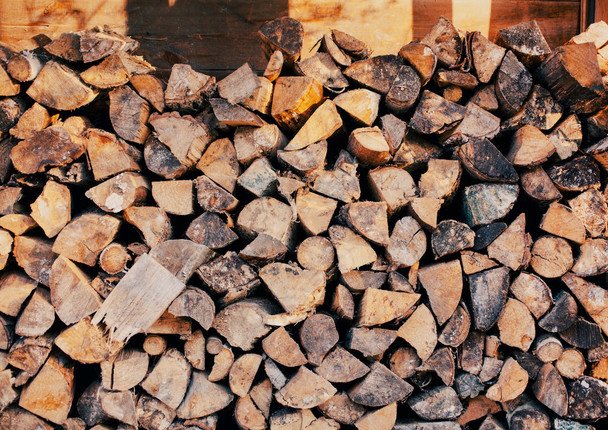
Fuel Briquets: The 2026 Alternative to Traditional Firewood
According to TSN.ua: Starting in 2026, fuel briquets will emerge as a practical substitute for firewood in home heating. This biofuel, manufactured from compressed wood or agricultural waste, provides a steady burn lasting 6 to 8 hours. The projected cost for a ton of these briquets in 2026 is expected to range from 6,000 to 10,100 Ukrainian hryvnias. For a private home of approximately 100 square meters, heating an entire season could require up to 4.5 tons of briquets, leading to an estimated total heating cost of around 40,000 hryvnias. This shift reflects a broader European move towards more efficient and densified biomass fuels.
Advantages and Drawbacks of Heating Briquets
Experts highlight several benefits of fuel briquets compared to conventional firewood:
- They burn for a longer duration and produce less ash.
- They are more convenient to use and maintain.
- They help maintain a more consistent indoor temperature.
- They do not require lengthy drying periods.
- They occupy less storage space.
As Serhiy Sydoruk notes, 'compared to firewood, briquets burn longer and create less ash.'
However, it is important to consider that prices for solid fuels like these can surge by 20–25% during winter due to heightened demand. The intense heat output of briquets makes them attractive to consumers, even if they come at a slightly higher price point. Serhiy Sydoruk also emphasizes their storage convenience. Therefore, switching to fuel briquets in 2026 could prove to be a cost-effective decision for many homeowners. The market for such alternative fuels is sensitive to seasonal demand and broader energy trends.
The adoption of fuel briquets aligns with a growing trend toward utilizing renewable energy sources, which can help reduce reliance on traditional fossil fuels. This shift may have a positive environmental impact, as biofuel is typically a more eco-friendly option. Monitoring price and demand dynamics will be crucial, as these factors will influence the future availability and popularity of fuel briquets in the coming years.
Read also
- Ukraine's Parliament Cuts Landlord Tax to 5%: Who Qualifies for the New Rate
- Ukraine’s Rental Market Steps Out of the Shadows: New Rules and a Tax Cut to 5%
- Dollar Hits 44.5 UAH as National Bank Raises Rate: Could 50 Hryvnia Be on the Horizon by Year-End?
- Fuel Prices in Kharkiv Region Drop Sharply: Diesel and Auto Gas See Significant Decline
- NBU Forecast: Ukraine’s Inflation to Hit 9.4% Amid Middle East Conflict
- Ukraine’s Central Bank Pulls 10-Kopiyka and 1-Hryvnia Coins: How to Swap Outdated Currency