Mistakes in Watering Plants: When Water Can Do More Harm Than Good.

Watering Plants at Different Times of the Year
According to ТСН: Improper watering can harm both indoor and outdoor plants. Horticultural specialists warn that mistakes in watering reduce the effectiveness of moisture and increase the risk of root damage. Experts have shared recommendations on when plants can go without water.
When to Water Outdoor Plants
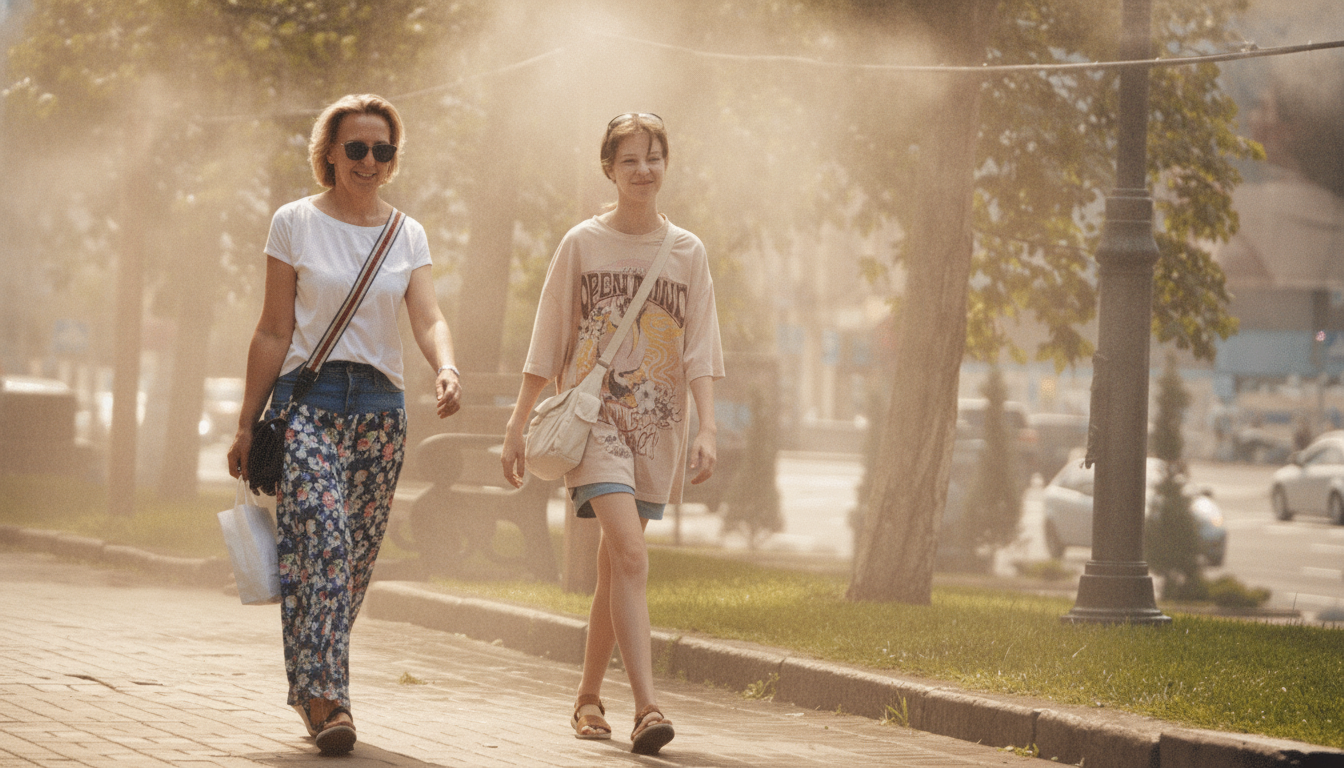
Andrew Porvol, founder of the Sapcote garden center, notes that the worst time to water outdoor plants is during the hot midday. At this point, water evaporates quickly, and droplets on the leaves can act as lenses, causing burns. In winter, the risks are even higher: water can freeze near the root system, damaging it, as most plants are in a dormant state and require minimal moisture.
Watering Indoor Plants
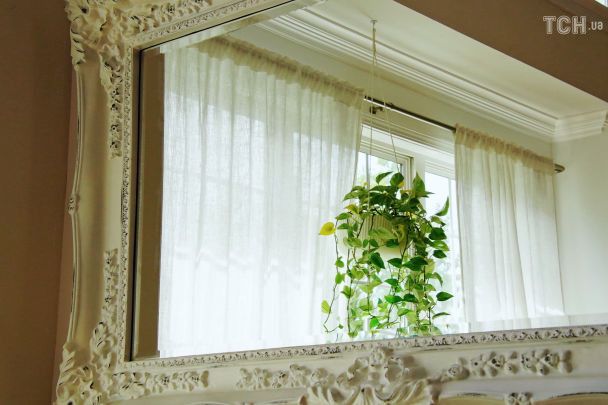
Regarding indoor plants, the situation is different: the time of day and the season matter less, but evening watering should be avoided. Ariel Vasquez from TeachMe.To emphasizes that in winter, due to insufficient lighting and cooler air, plants slow down their growth, and excess water can easily cause rot or fungal diseases.
The main rule for watering is to do it in the morning. This allows the roots to absorb water before the heat. Porvol recommends watering generously but not frequently to strengthen the root system and improve its drought resilience. Before watering, it is essential to check the soil condition: Nicole Jonesi Burke from Gardenary Inc. advises to dip a finger into the soil, and if it is dry to the second knuckle, it’s time to water.
For indoor plants, it is important that water drains freely and does not remain in the saucer. It is also advisable to use gentle nozzles on hoses or ordinary watering cans to deliver water closer to the soil, avoiding wetting the leaves.
Signs of Overwatering and Underwatering
Experts remind us that plants absorb moisture best in the morning, and watering at noon is ineffective and can cause stress due to sharp temperature fluctuations. Rainwater or filtered water, free from chlorine and other impurities, is considered optimal for watering.
Signs of overwatering include yellowing and rotting leaves, as well as the appearance of mold or insects in the soil. If a plant is deprived of water, the leaves wilt, dry at the edges, and the soil becomes hard and cracked.
Proper watering is the key to the health of plants, both indoor and outdoor. Understanding their moisture needs will help you keep the garden in good shape. By following simple recommendations, you can avoid mistakes that lead to plant damage and preserve their beauty throughout the year.
Read also
- Evergreen Charm All Year Round: Why Golden Euonymus Fortunei Shines in Any Garden
- Pantry Moths Invade Ukrainian Kitchens: How to Protect Your Food and Eliminate the Pest
- Cancers Warned of Challenges Between June 9 and 12 by Astrologers
- Three Zodiac Signs to Receive Powerful Cosmic Support on June 10
- Thunderstorms and Temperatures up to +29°C Forecast for Ukraine on June 10
- Which Japanese Motorcycles Last Hundreds of Thousands of Kilometers? The Most Reliable Models from Honda, Suzuki, and Yamaha