Kyiv's Rental Market Cools as Apartment Purchase Prices Keep Climbing.

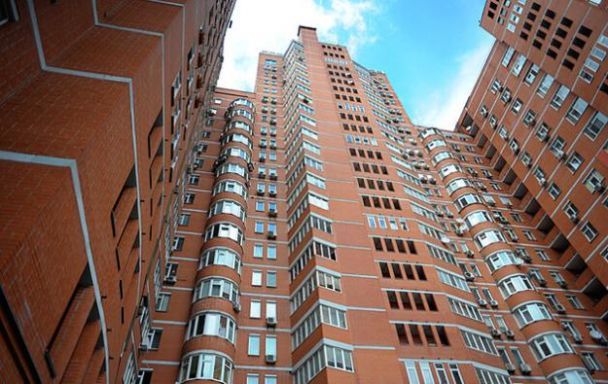
Kyiv's Housing Market Shows Diverging Trends
According to TSN.ua: While the number of rental listings in Kyiv remains consistent with last year's figures, demand for long-term rentals has declined. This drop in rental demand coincides with a continued increase in apartment purchase prices. Data for January 2026 shows a year-on-year decrease in rental demand, with specific falls of 23% in the Darnytskyi district, 34% in Desnianskyi, and 9% in Dniprovskyi.
Rental and Purchase Costs Across Districts
Rental prices vary significantly across the capital's districts. The average monthly rent was:
- 16,000 hryvnias in Darnytskyi,
- 10,100 hryvnias in Desnianskyi,
- 15,000 hryvnias in Dniprovskyi.
Despite the falling rental demand, average property prices on the left bank rose in December 2025: by 3% to 4 million hryvnias in Darnytskyi, by 1% to 2.6 million in Desnianskyi, and by 5% to 3.9 million in Dniprovskyi.
On an annual basis, housing prices continue their upward trajectory. Prices rose by 14% in Darnytskyi, 13% in Desnianskyi, 28% in Dniprovskyi, 17% in Shevchenkivskyi, and 28% in Holosiivskyi. This indicates that despite the cooling rental market, the market for property purchases remains robust and active.
The supply of apartments for sale contracted by 9-12% in January 2026 compared to December 2025. This complex market dynamic in Kyiv is characterized by declining rental demand paired with rising purchase prices for apartments. These trends are being closely watched as indicators of broader economic conditions in Ukraine, where the real estate market often reflects wider investor and consumer sentiment.
The Kyiv real estate market reflects complex economic trends, particularly shifts in supply and demand. Source: analytical report
The decline in rental demand may stem from economic uncertainty, while rising purchase prices point to sustained investor confidence in this segment. These opposing trends are likely to influence the future development of the capital's housing market, affecting pricing strategies and investment decisions. Monitoring further changes is crucial, as they may signal deeper economic processes within the country.
Read also
- Ukraine’s Rental Market Steps Out of the Shadows: New Rules and a Tax Cut to 5%
- Dollar Hits 44.5 UAH as National Bank Raises Rate: Could 50 Hryvnia Be on the Horizon by Year-End?
- Fuel Prices in Kharkiv Region Drop Sharply: Diesel and Auto Gas See Significant Decline
- NBU Forecast: Ukraine’s Inflation to Hit 9.4% Amid Middle East Conflict
- Ukraine’s Central Bank Pulls 10-Kopiyka and 1-Hryvnia Coins: How to Swap Outdated Currency
- EU Grants Ukraine €920 Million for Winter, but Kyiv Says Over €5 Billion More Is Needed