How to Legally Reduce Utility Bills for War-Empty Apartments in Ukraine.

Reducing Utility Costs for Unoccupied Homes During Wartime
According to TSN.ua: Due to the ongoing war, thousands of apartments across Ukraine remain vacant, leaving owners with significant utility bills. Many owners have been forced to leave the country, serve in the Armed Forces, reside in occupied territories, or have lost their homes entirely to combat. For those facing these difficult circumstances, it is crucial to understand the legal options for reducing or even suspending utility charges. This knowledge is vital for financial survival as the conflict continues.
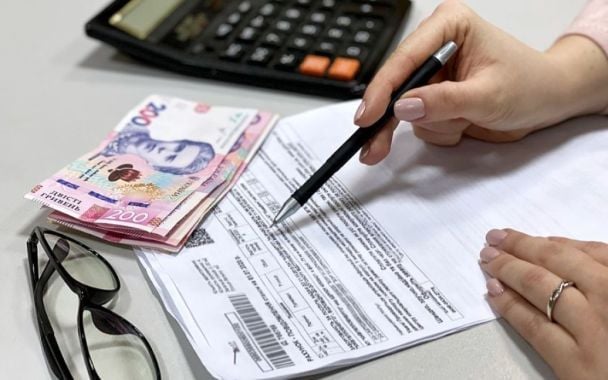
In Ukraine, utility payments are typically based on actual consumption when meters are installed. If an apartment is empty, resource use is zero. For properties without individual meters, owners can apply for a 'non-occupancy certificate.' This is possible if the apartment has been unused for more than 30 consecutive days. The application process involves:
- submitting a formal request to the building's cooperative (OSBB) or managing entity;
- obtaining the official non-occupancy certificate;
- providing proof of the owner's absence from the property.
However, certain mandatory fees, like building maintenance, remain payable even for vacant units. If the apartment is rented out, the responsibility for utility payments falls to the tenant, provided this is stipulated in a written lease agreement. It is important to note that late utility payments incur a penalty of 0.01% per day of delay. Persistent non-payment can lead to enforcement actions, including bank account seizures, asset freezes, or a block on selling the property.
Suspending Charges for Damaged Property
Owners of homes destroyed by the war have another option: a full suspension of utility charges. To qualify, they must submit official inspection reports and evidence of the destruction. Understanding these procedures can provide critical relief to homeowners struggling with the financial burden of properties they cannot use. These legal mechanisms are designed to offer some financial respite during an immensely challenging period for the nation.
In summary, owners of empty apartments have legal avenues to reduce their utility expenses by following the procedures for non-occupancy certificates or charge suspensions. This can help maintain financial stability during a time of national crisis. Access to this information supports those displaced by the conflict, allowing them to alleviate unnecessary costs and focus on rebuilding their lives in safety.
Read also
- Ukraine's Parliament Cuts Landlord Tax to 5%: Who Qualifies for the New Rate
- Ukraine’s Rental Market Steps Out of the Shadows: New Rules and a Tax Cut to 5%
- Dollar Hits 44.5 UAH as National Bank Raises Rate: Could 50 Hryvnia Be on the Horizon by Year-End?
- Fuel Prices in Kharkiv Region Drop Sharply: Diesel and Auto Gas See Significant Decline
- NBU Forecast: Ukraine’s Inflation to Hit 9.4% Amid Middle East Conflict
- Ukraine’s Central Bank Pulls 10-Kopiyka and 1-Hryvnia Coins: How to Swap Outdated Currency