Russian Forces Target Naftogaz Infrastructure in Drone Strikes.


Kremlin Shifts to New Attack Strategy
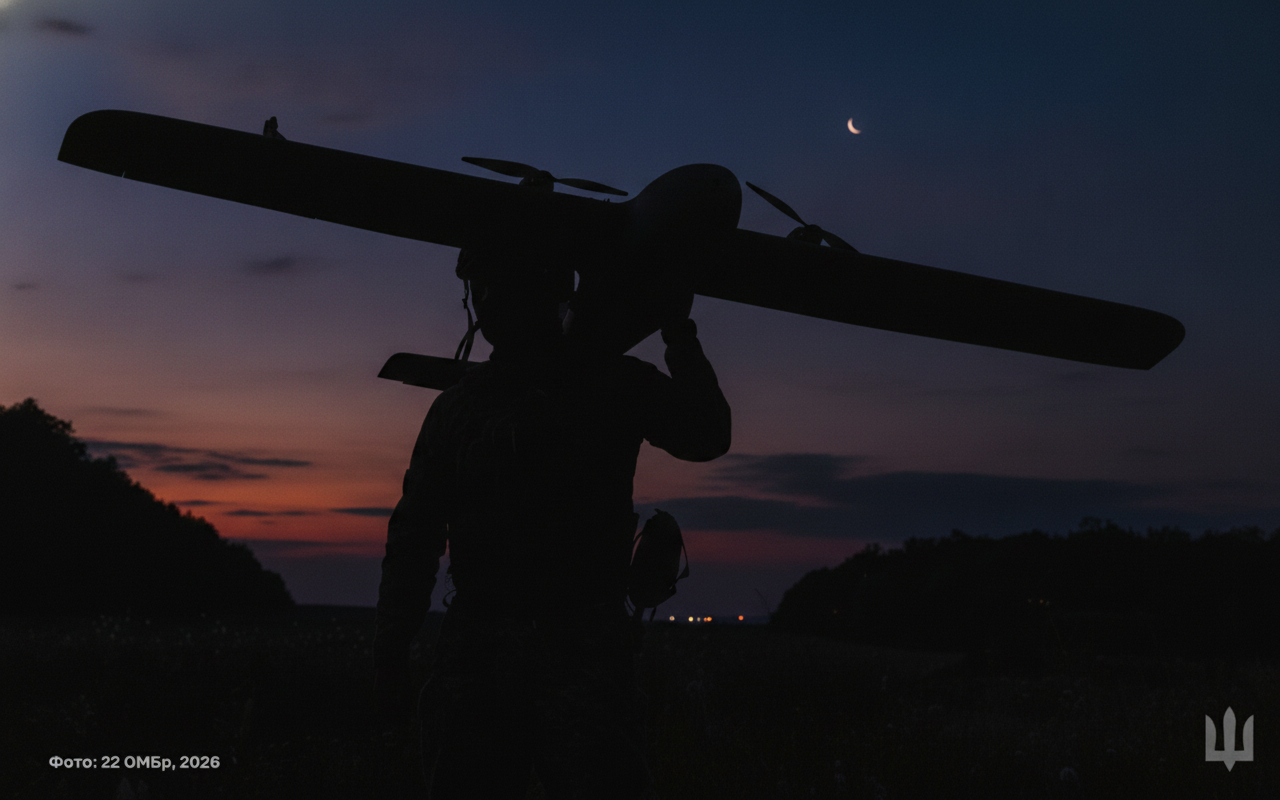
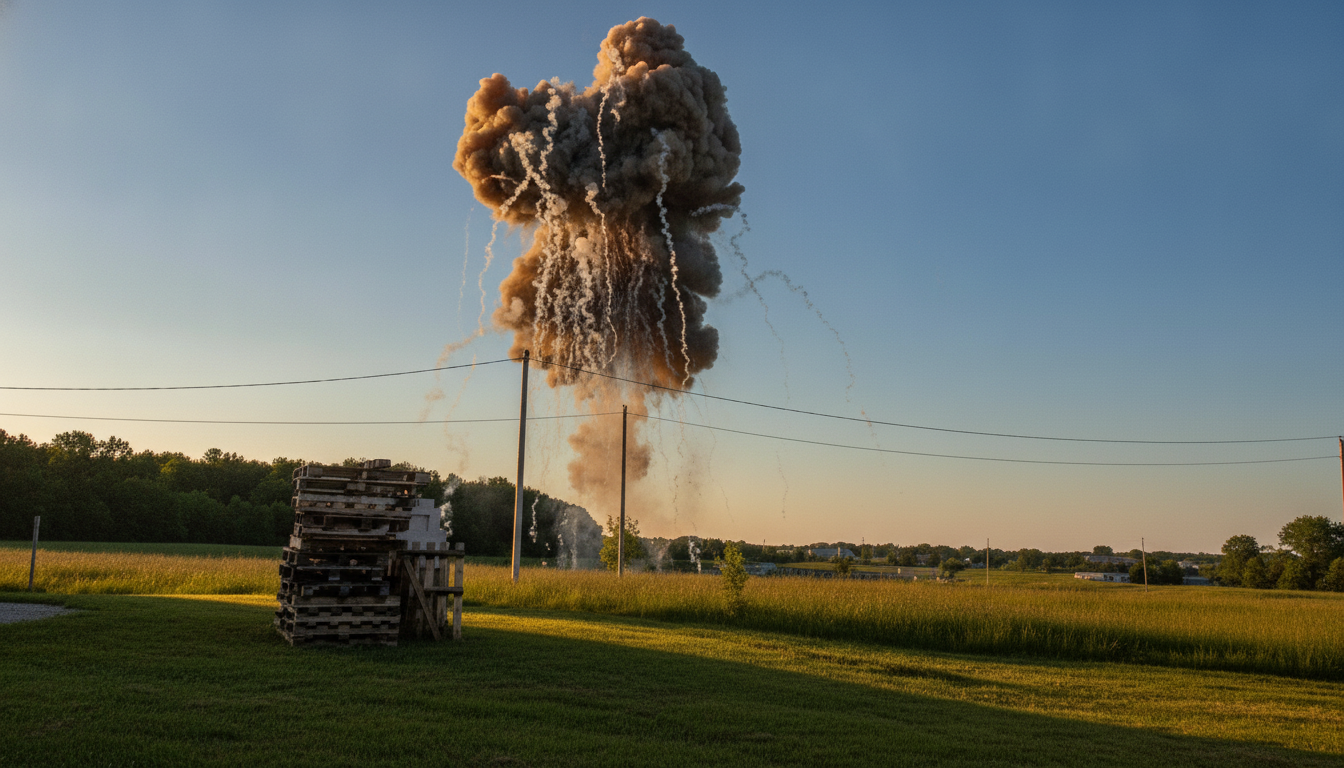
According to TSN.ua: Russian military forces have adopted a new tactic, launching strikes against facilities belonging to Ukraine's state energy company, Naftogaz. Over two days, they deployed approximately 60 attack drones to hit Naftogaz infrastructure in the Kharkiv and Chernihiv regions, causing confirmed damage to key assets, including gas storage facilities.
This escalation is part of a broader Russian campaign targeting Ukraine's critical energy and logistical networks. In a major combined assault on the night of February 22, Russian forces fired 347 drones and missiles at these systems. The attacks are ongoing amid active combat operations, which have also extended to the Poltava region. There, Russian troops struck Naftogaz infrastructure on the night of February 20, following a previous attack in the same area on the night of February 8.
Serhiy Koretskyi stated that specialists, together with State Emergency Service units, will begin assessing the damage and clearing the wreckage as soon as air raid alerts are lifted. These events mark a significant intensification of attacks on Ukraine's vital energy infrastructure, which is crucial for both civilian life and military resilience during the winter.
Ongoing Tensions and Potential Fallout
The situation remains tense, with further actions by Russian forces indicating that such strikes are likely to continue. In wartime conditions, monitoring developments and implementing necessary protective measures for infrastructure is critical.
Russia's new tactics signal a strategic shift in the conflict, focusing on degrading Ukraine's economic resources. Attacks on the energy grid could lead to severe supply disruptions, impacting daily life for civilians and the overall stability of the country. Consequently, strengthening defensive capabilities and protecting critical facilities has become an even more urgent priority under the current circumstances.
Read also
- Ukrainian Forces Strike 36 Russian Targets: Moscow’s Daily Losses Revealed
- Ukraine’s Military Shifts Tactics with Robotics as Russian Losses of Land and Equipment Mount
- Ukraine Strikes Russian Munitions Depots in Belgorod Region and Command Centers in Donbas: Key Details
- Ukraine’s Intelligence Reveals Top Target: Disrupting Russian Logistics in Crimea and Transnistria
- Ukraine War Set to Outlast World War I: A Key Date Emerges
- Russian Army Imposes Artillery Shell Limits: What This Means for the Frontline