Kremlin's War Plan Extends to 2026: A Look at the Financial and Human Cost.

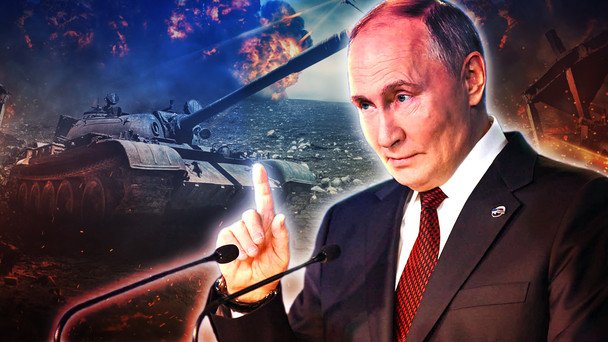
The Scale and Impact of Russia's Military Spending
According to TSN.ua: Despite facing economic strain and manpower shortages, Russia is preparing to sustain its war in Ukraine until at least 2026. In 2025, its defense expenditure reached $186 billion, a 3% increase from the previous year. This colossal sum represents 7.3% of Russia's Gross Domestic Product (GDP), underscoring the immense financial priority given to military operations. This level of spending is a significant burden for an economy heavily impacted by sanctions and the costs of a prolonged conflict.
Russia's military budget has doubled since 2021 and continues to climb. To fuel its campaign, the Kremlin is recruiting between 30,000 and 35,000 new personnel each month. Despite discussions in the West about potential ceasefires, Russia has intensified its assaults on Ukraine's critical infrastructure and population centers. These attacks utilize cruise and ballistic missiles, alongside drones like the upgraded Shahed-136, which boasts a strike range of up to 2,000 kilometers.
Manpower Challenges and the International Response
A critical question remains whether President Putin will risk a second wave of mass mobilization to address persistent personnel issues in the Russian army, a move that would affect both the conflict's trajectory and military rebuilding efforts. The ongoing threat from Russia has prompted a firm response from NATO allies in Europe and Canada, who have pledged to increase their defense budgets to 3.5% of GDP by 2035. All these factors contribute to a tense and unpredictable situation on the Eastern Front.
Russia's decision to continue its war effort, irrespective of economic hardship, highlights the severe and persistent threat to regional stability. The high level of defense spending signals the Kremlin's readiness to keep investing in military aggression, which risks further escalation. The growing costs and constant recruitment drive clearly indicate that Russia has no intention of scaling back its military operations in the foreseeable future.
Read also
- Ukraine Strikes Russian Munitions Depots in Belgorod Region and Command Centers in Donbas: Key Details
- Ukraine’s Intelligence Reveals Top Target: Disrupting Russian Logistics in Crimea and Transnistria
- Ukraine War Set to Outlast World War I: A Key Date Emerges
- Russian Army Imposes Artillery Shell Limits: What This Means for the Frontline
- Bosnia and Herzegovina Joins Coalition for the Return of Ukrainian Children, Says Foreign Minister Sybiha
- Ukraine Launches Hungarian-Language YouTube Channel: 340,000 Views in Just Days