Russia Launches Major Assault: 420 Drones and 39 Missiles Fired in a Single Day.

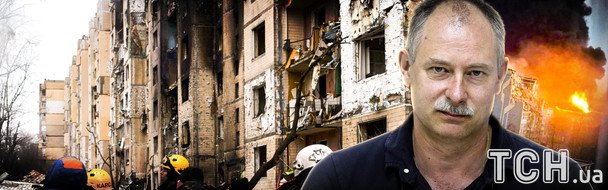
Russia's Latest Assault on Ukraine
According to TSN.ua: On February 26, Russia carried out a massive strike against Ukraine, launching 420 drones and 39 missiles, 11 of which were ballistic. This coordinated attack caused significant damage across eight Ukrainian regions. Military analysts note that an operation of this scale requires meticulous planning, taking at least a week to prepare. This relentless bombardment is part of Russia's ongoing campaign to degrade Ukrainian infrastructure and morale.
Simultaneously, reports indicate Russia is facing technical issues with its Kh-22 missiles, a model originally designed in the late 1960s. These reliability problems may be reducing the overall effectiveness of Russian strikes.
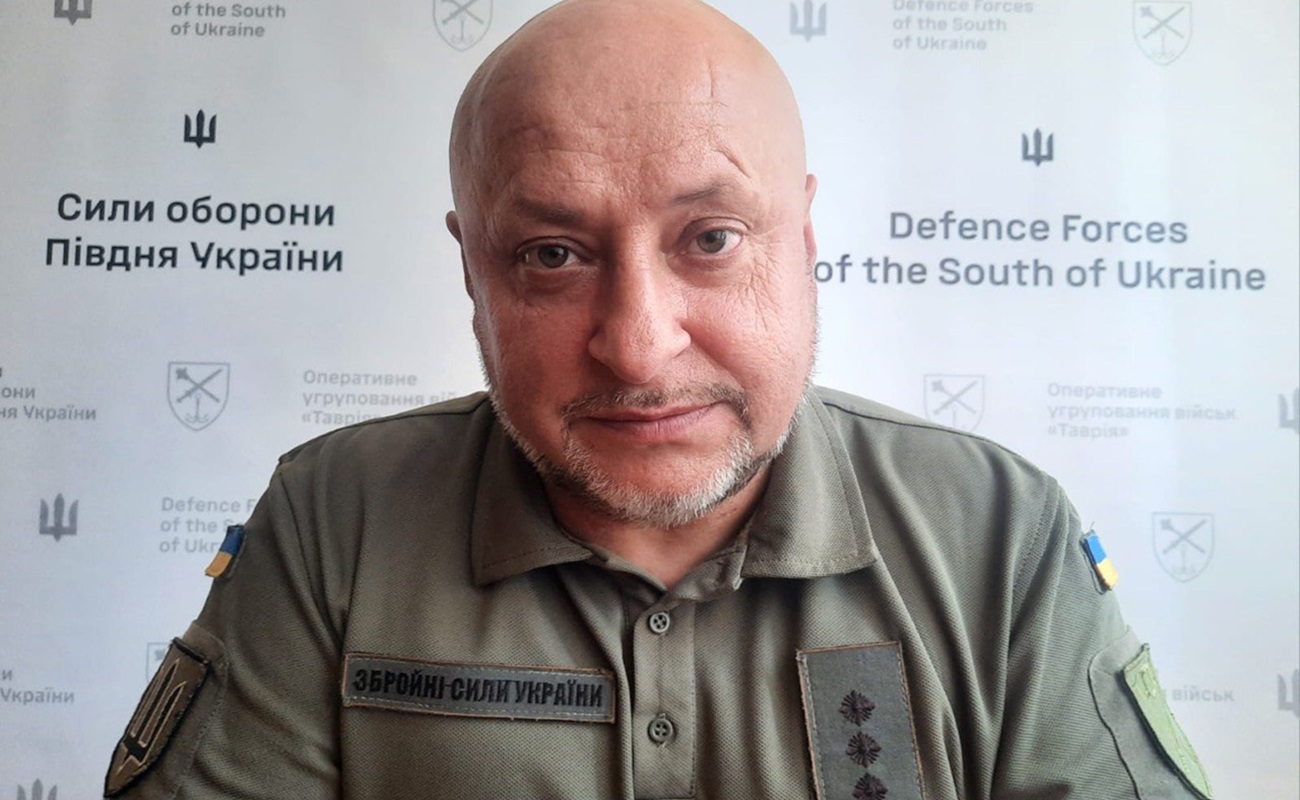
Commenting on the situation, military expert Oleh Zhdanov noted: 'I think there are certain problems there.'
The State of Russia's Air Force and the Kremlin's Goals
At the start of the full-scale invasion, Russia possessed 12 MiG-31K fighter jets, with 9 considered airworthy; four of these aircraft have since been lost. This attrition highlights changes in the condition of Russia's air force, which could further constrain its capacity to conduct attacks.
Oleh Zhdanov also shared his view on the Kremlin's objective: 'Unfortunately, I understand that the task set in the Kremlin is that Kyiv must be extinguished.'
It is noted that electricity consumption rises during the summer months, a factor that could become significant in the context of Russian attacks on energy infrastructure. This may point to evolving tactics and strategy in Russia's aggression against Ukraine.
This large-scale assault underscores the continuation of Russia's aggressive policy, which persists despite apparent technical difficulties. Expert commentary on potential weapon malfunctions and a degraded air force suggests the conflict will continue to present challenges for both sides. The seasonal increase in energy demand adds another layer of complexity, potentially influencing military actions and strategy in the region for the coming months.
Read also
- Ukraine Strikes Russian Munitions Depots in Belgorod Region and Command Centers in Donbas: Key Details
- Ukraine’s Intelligence Reveals Top Target: Disrupting Russian Logistics in Crimea and Transnistria
- Ukraine War Set to Outlast World War I: A Key Date Emerges
- Russian Army Imposes Artillery Shell Limits: What This Means for the Frontline
- Bosnia and Herzegovina Joins Coalition for the Return of Ukrainian Children, Says Foreign Minister Sybiha
- Ukraine Launches Hungarian-Language YouTube Channel: 340,000 Views in Just Days