Russia's Military Faces a Manpower Crisis: Can It Sustain Its Offensive in Ukraine?.

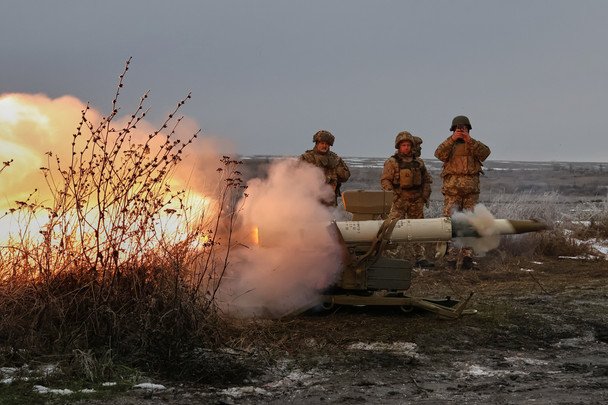
Russia's Mounting Casualties in Ukraine
According to TSN.ua: Russia is suffering combat losses in Ukraine at a rate that consistently outpaces its ability to recruit new soldiers, raising serious doubts about the Kremlin's capacity to continue major offensive operations. According to analysts, Moscow can only sustain a recruitment level of 30,000 to 35,000 individuals per month. While Russia mobilized 300,000 reservists in 2022, these efforts appear insufficient to offset the heavy battlefield casualties. This ongoing war has become a grueling war of attrition, testing the limits of Russia's military resources.
Russian and Ukrainian forces continue to fight along a 1,200-kilometer front line. Experts note that Russia controls roughly one-fifth of Ukraine's territory, but its mounting losses are creating significant additional challenges for the Kremlin.
"We are observing a casualty rate that is disproportionate in scale," notes Al Carns, commenting on the situation.
Kremlin Strategy and Adaptation
Russia began its full-scale invasion with a force of 650,000 troops, but current circumstances are forcing the country's leadership to reassess its strategies. Henry B Boyd points to the possibility of scaling back some offensive activity to balance these losses. This indicates the Kremlin is confronting serious challenges in maintaining the stability of its military operations.
The frontline situation and problems with mobilizing and recruiting new personnel may lead to a shift in Russian tactics. Given the high casualties and limited manpower resources, an adaptation of military strategies is likely, which could affect the course of future combat. The lack of sufficient recruits and mobilization issues could become critical factors in the conflict's further development.
Problems with recruiting contract soldiers could also exacerbate the situation, as without adequate support and replenishment of military ranks, the Kremlin may find itself in a difficult position on the battlefield. These circumstances underscore the importance of Russia adapting its military strategy in the face of mounting losses and recruitment difficulties. Consequently, the Kremlin's future actions could influence the conflict's dynamics, including potential changes in combat tactics, which may, in turn, have significant consequences for stability on the front. Given these challenges, the international community is closely monitoring the situation's evolution.
Read also
- Bosnia and Herzegovina Joins Coalition for the Return of Ukrainian Children, Says Foreign Minister Sybiha
- Ukraine Launches Hungarian-Language YouTube Channel: 340,000 Views in Just Days
- Russia Intensifies Terror Against Civilians, Ukraine’s Foreign Minister Warns After New Casualties
- Russian Army Imposes Shell Restrictions: What It Means for the Frontline
- Ukraine Charges 10 Russian Soldiers for Drone Strikes Targeting Civilians in Kherson
- New Warhead for Russian Kalibr Missiles: What Ukraine’s Defense Ministry Uncovered