Russia Launches Major Multi-Vector Assault on Ukraine, Deploying 345 Attack Drones and Missiles.

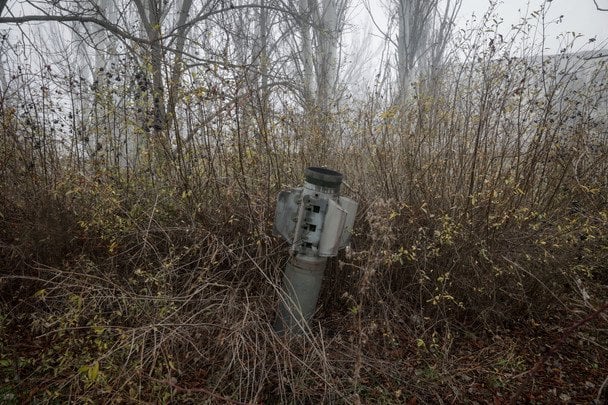
Russia's Coordinated Strike Against Ukraine
According to TSN.ua: In the early hours of February 22nd, Russia launched a large-scale, multi-vector assault on Ukraine, employing a mix of drones and various missile types. According to confirmed data, a total of 345 aerial attack weapons were deployed, of which 307 targets were successfully intercepted by air defenses. This included the destruction of 33 missiles and 274 drones.
The attack resulted in impacts from 14 missiles and 23 attack drones across 14 different locations. Additionally, drone debris was reported to have fallen in 5 separate areas. The assault involved a diverse arsenal of Russian missiles, specifically:
- 4 "Zircon" anti-ship missiles
- 22 "Iskander-M" and S-400 ballistic missiles
- 18 Kh-101 cruise missiles
- 2 "Iskander-K" cruise missiles
- 4 Kh-59/69 guided air-to-surface missiles
The drone component of the attack consisted of 297 strike UAVs, including models such as Shahed, Gerbera, and Itlamas, among other types. The following missile types were also recorded in the attack:
- 2 "Zircon" anti-ship missiles
- 8 "Iskander-M" and S-400 ballistic missiles
- 17 Kh-101 cruise missiles
- 2 "Iskander-K" cruise missiles
- 4 Kh-59/69 guided air-to-surface missiles
In total, 274 hostile drones of various models formed a significant part of this massive coordinated strike. This assault is part of a pattern of intensified aerial bombardments targeting Ukraine's critical infrastructure and cities.
This attack underscores the continuation of Russia's active military campaign against Ukraine, which increasingly incorporates advanced technologies like drones. - Military Expert
The sheer scale of the operation and the volume of munitions used point to a rising intensity in the conflict, with potential implications for regional security. The selection of targets and weapon types also reflects tactical shifts in Russian strategy, a development requiring ongoing analysis by military observers.
Read also
- Ukraine Strikes Russian Munitions Depots in Belgorod Region and Command Centers in Donbas: Key Details
- Ukraine’s Intelligence Reveals Top Target: Disrupting Russian Logistics in Crimea and Transnistria
- Ukraine War Set to Outlast World War I: A Key Date Emerges
- Russian Army Imposes Artillery Shell Limits: What This Means for the Frontline
- Bosnia and Herzegovina Joins Coalition for the Return of Ukrainian Children, Says Foreign Minister Sybiha
- Ukraine Launches Hungarian-Language YouTube Channel: 340,000 Views in Just Days