Russian Drone Targets French Carrier in Sweden, Testing European Defenses.

Drone Incident at Swedish Port
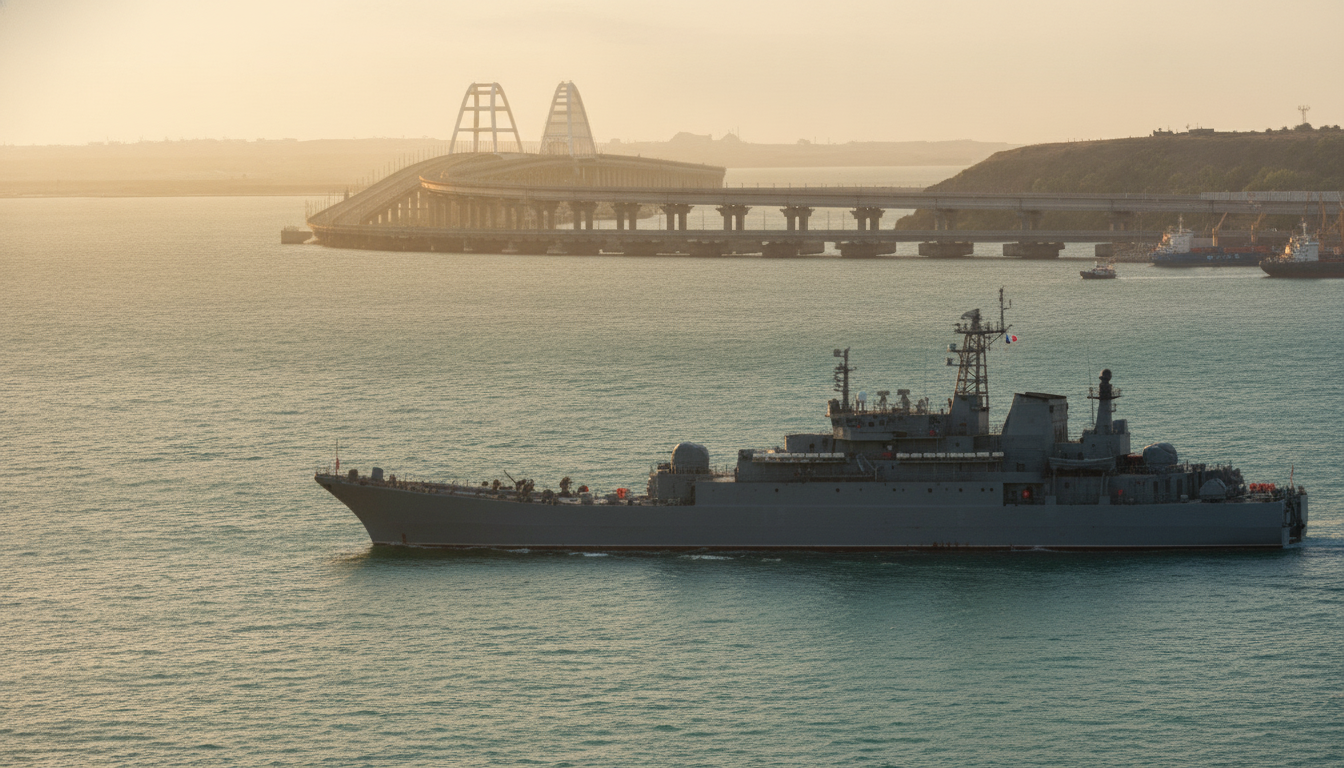
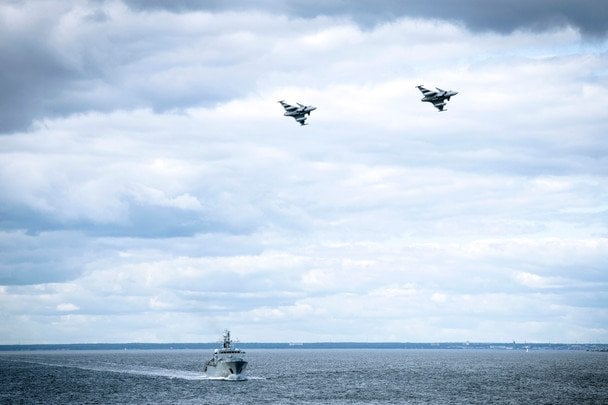
According to TSN.ua: A Russian drone approached the French aircraft carrier Charles de Gaulle while it was docked in the Swedish port of Malmö. This event is part of a concerning pattern of increased Russian drone activity across Europe, which has alarmed NATO member states. Swedish armed forces successfully shot down the drone, though its final disposition remains unclear.
The Charles de Gaulle is the world's largest non-American nuclear-powered aircraft carrier, measuring over 260 meters in length, underscoring its strategic significance for international security. The broader drone situation in Europe is growing increasingly tense. For instance, Munich Airport was forced to close three times in late 2025 due to unidentified drones. Similar drone incursions and attacks have been reported from Norway to Spain, and from Vilnius to Brussels.
Europe's Counter-Drone Response
Poland was among the first to respond, shutting down airports in Warsaw, Rzeszów, and Lublin due to drone activity. In reaction to the escalating threat, the United Kingdom has deployed a team of counter-drone specialists to Belgium. European Commission President Ursula von der Leyen has stated that a new EU-wide counter-drone system is slated for implementation by the end of 2027.
Commenting on the situation, German opposition leader Friedrich Merz noted: 'We assume that Russia is behind most of these drone flights.'
He added that 'the number of attacks on Germany and Europe is unprecedented,' highlighting the severity of the threat European nations face from the surge in Russian unmanned aerial activity. These incidents represent a modern security challenge for the continent, occurring against the backdrop of ongoing military conflict and heightened tensions between Russia and NATO. In response, European states are bolstering their defensive measures, which may lead to significant shifts in security tactics. The dispatch of British experts underscores the seriousness with which allies view the threat and the perceived need for coordinated action to safeguard European airspace.
Read also
- Russian Army Imposes Artillery Shell Limits: What This Means for the Frontline
- Bosnia and Herzegovina Joins Coalition for the Return of Ukrainian Children, Says Foreign Minister Sybiha
- Ukraine Launches Hungarian-Language YouTube Channel: 340,000 Views in Just Days
- Russia Intensifies Terror Against Civilians, Ukraine’s Foreign Minister Warns After New Casualties
- Russian Army Imposes Shell Restrictions: What It Means for the Frontline
- Ukraine Charges 10 Russian Soldiers for Drone Strikes Targeting Civilians in Kherson