The Art of Curing Perfect Lard: Essential Techniques and Spices.

The Culinary Tradition of Curing Lard
According to TSN.ua: In Ukrainian cuisine, curing lard is a time-honored tradition passed down through generations, representing more than just a cooking method—it's a part of the national heritage. This guide explores proven curing techniques to achieve the perfect flavor profile and the best spices to use in the process.
Steps for Curing Lard
-
Step 1: Preparation and Selection.
Begin by thoroughly washing, drying, and cutting the pork fatback into serving-sized pieces. Selecting high-quality fat is crucial, as it directly impacts the final result.
-
Step 2: The Curing Process.
The classic dry-curing method is recommended to preserve the fat's natural flavor and enhance its texture. After applying the salt and spice mixture, the lard must be refrigerated for 5 to 7 days. This period is essential for the fat to fully absorb the salt and develop the spices' aroma.
-
Step 3: Maturing and Storage.
Once the curing period is complete, the lard is ready to eat. Proper storage is a vital final step to maintain the product's freshness and taste for as long as possible.
Spices for Curing Lard
Which spices work best for curing lard? The most popular and effective seasonings include:
- black pepper,
- garlic,
- bay leaf,
- coriander,
- paprika.
These spices impart a unique aroma and flavor that make this delicacy a favorite on many Ukrainian tables.
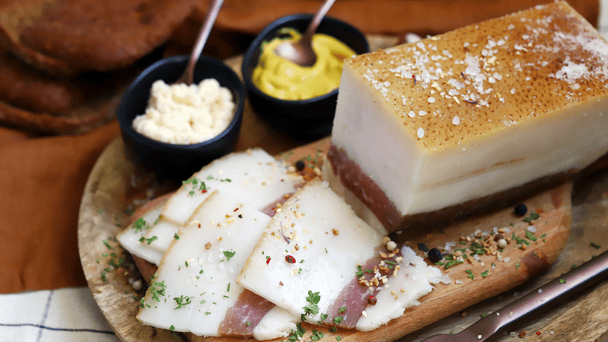
In summary, curing lard is an art that demands attention to detail, the right ingredients, and respect for tradition. These straightforward steps and spices will help anyone prepare perfect lard, a worthy centerpiece for any meal. This preserved pork fat is a staple in Eastern European pantries, often served thinly sliced on rye bread.
The practice of curing lard is deeply rooted in Ukrainian culture and gastronomy, making it a significant element of the national culinary legacy. Using natural ingredients and time-tested methods highlights the connection between older generations and modern cooks. The growing global interest in traditional and heritage cuisines helps sustain these recipes, supporting local foodways and culinary culture.
Read also
- Cancers Warned of Challenges Between June 9 and 12 by Astrologers
- Three Zodiac Signs to Receive Powerful Cosmic Support on June 10
- Thunderstorms and Temperatures up to +29°C Forecast for Ukraine on June 10
- Which Japanese Motorcycles Last Hundreds of Thousands of Kilometers? The Most Reliable Models from Honda, Suzuki, and Yamaha
- Quick Cheese and Kefir Pancakes: A Fast Breakfast Recipe
- Career Success by End of June: Tarot Predictions for These Zodiac Signs