January Planting Guide: Frost-Resistant Flowers to Sow Now.

The Ideal Time for Winter Planting
According to TSN.ua: Mid-January presents a prime opportunity for gardeners to begin planting hardy perennials that bloom early in the year. This is feasible provided the soil is neither frozen nor waterlogged. By starting now, you can introduce plants capable of withstanding cold snaps and providing vibrant color as winter transitions into spring.
Experts advise planting bare-root specimens during this period. Julian Palframand of British Garden Centres explains:
“At this time of year, you can successfully plant roses, buddleia, viburnum, and various herbaceous perennials.” - Julian Palframand
Among the frost-resistant plants suitable for January planting are:
- Hellebores, which flower in winter and often retain their blooms into spring;
- Cyclamen, which can also be planted in winter if the ground is not frozen solid;
- Galanthus, or snowdrops, typically emerging in January or February, often pushing through snow cover;
- Hardy geraniums, which can be planted if the soil is workable and not overly wet;
- Echinacea, recommended for planting during a spell of milder winter weather.
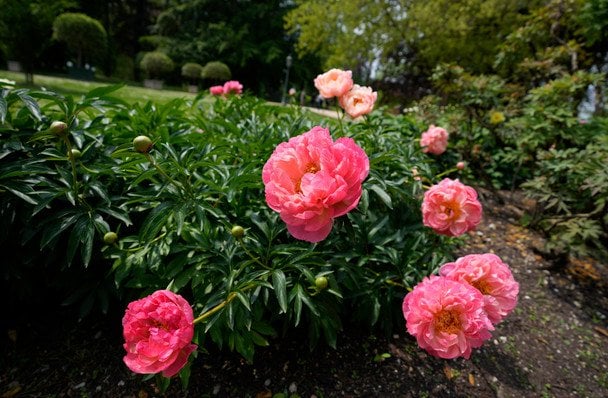
For buddleia, ensure you plant it in a prepared hole with a mix of soil and compost to give it the best start. January is also an excellent time to plant bare-root peonies, allowing these early bloomers to establish themselves and showcase their beauty come spring. This early start is a common practice in temperate climates to get a head start on the growing season.
By taking advantage of this window, gardeners can cultivate a diverse range of resilient plants that will not only enhance their gardens but also inject life and color during the colder months.
The Benefits of Early Planting
This early planting period is crucial for gardeners, as it can significantly influence plant growth and development. Planting hardy varieties in January gives them a growth advantage, which often results in a more aesthetically pleasing garden at the start of spring when other plants are still dormant. This practice can also help sustain gardening interest through winter, encouraging people to take active steps in their outdoor spaces even during the off-season.
Read also
- Quick Cheese and Kefir Pancakes: A Fast Breakfast Recipe
- Career Success by End of June: Tarot Predictions for These Zodiac Signs
- Luxury Makes a Comeback in Spring-Summer 2026: Draping Emerges as the Season’s Defining Trend
- Butter and Yogurt Cookies: A Foolproof Recipe from Gospodynka
- Compost in Just 10 Days: The Key Secrets to Rapid Waste Breakdown Revealed
- No-Sterilization Winter Pickles: A Simple 6-Step Recipe