U.S. and Israeli Forces Launch Military Action Against Iran Without Evidence of an Imminent Attack.

U.S.-Israel Military Action Targets Iran
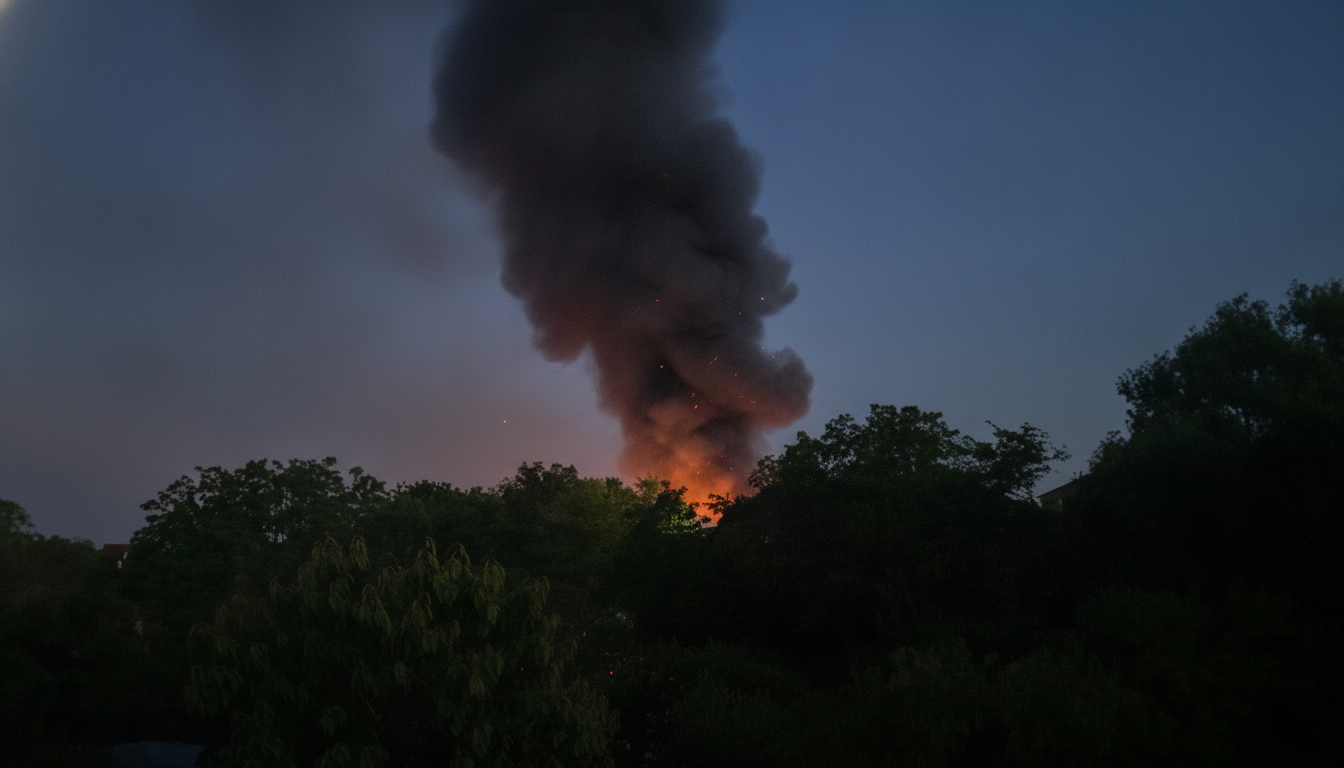
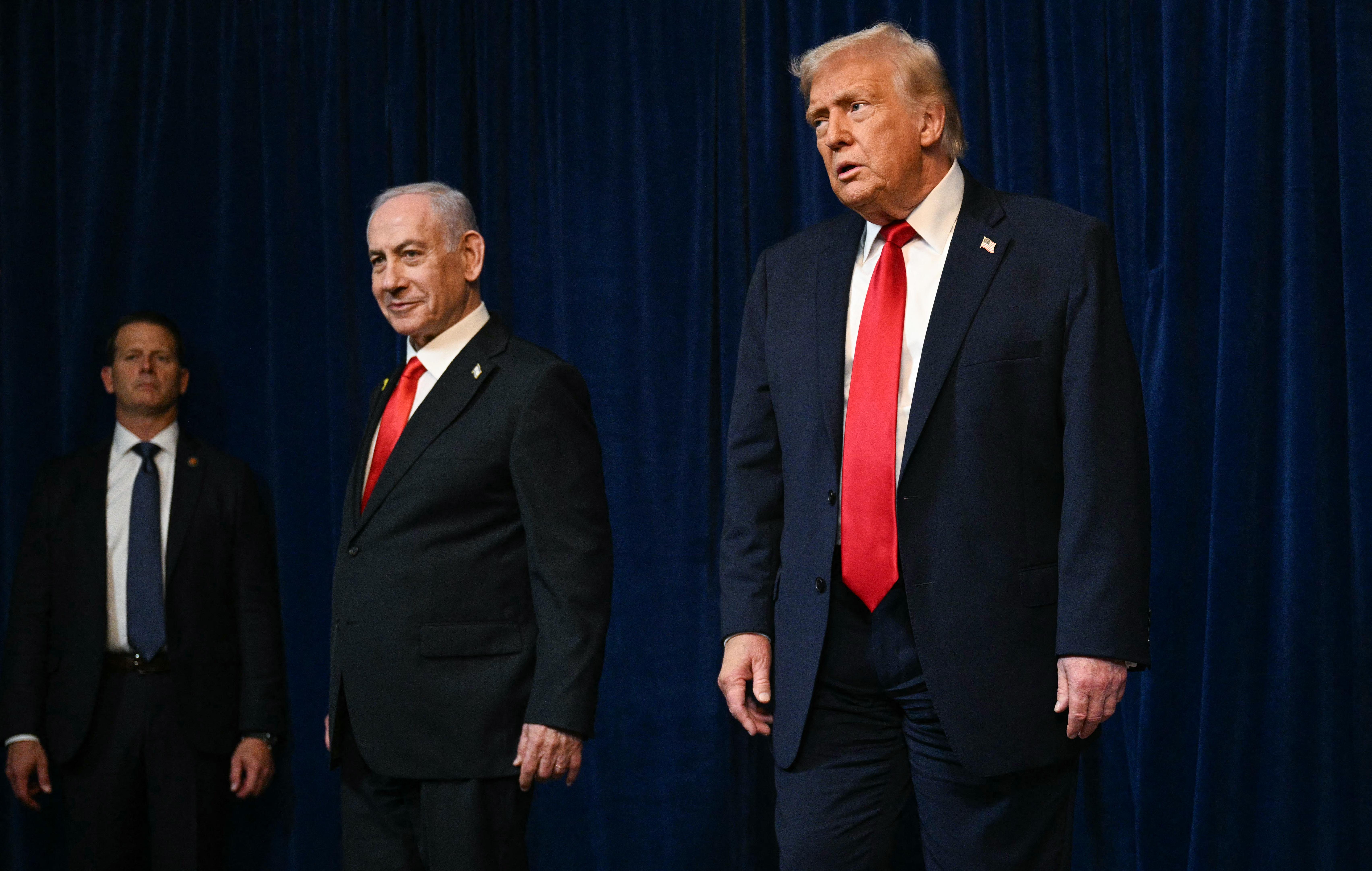
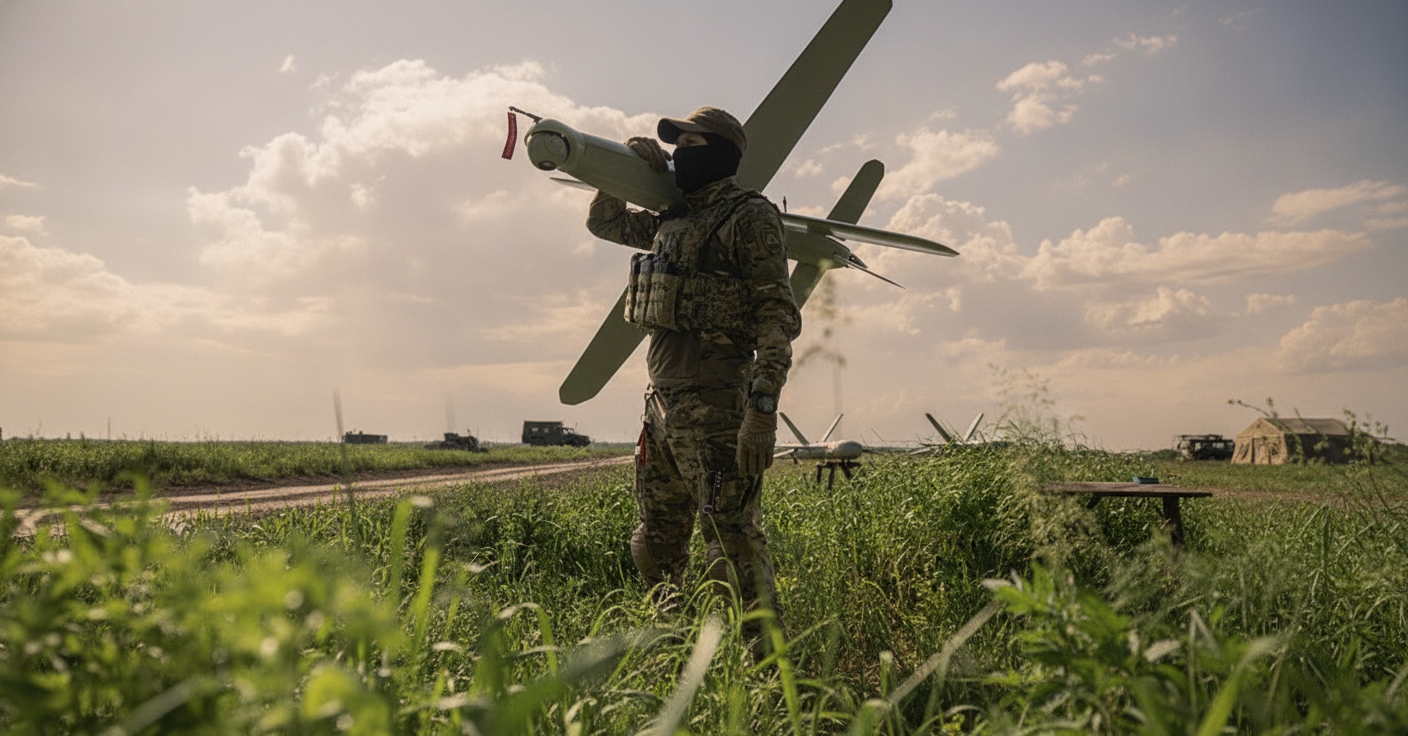
According to TSN.ua: On February 28, 2023, the United States and Israel initiated a joint military operation against Iran. The operation, which President Donald Trump declared as 'Epic Fury,' resulted in the elimination of Iran's Supreme Leader Ali Khamenei, the destruction of Iranian naval vessels, and strikes on over one thousand targets. This action has provoked significant international reaction. The U.S. has long viewed Iran's nuclear and missile programs as primary threats to regional stability.
American air and naval forces struck more than a thousand Iranian targets. However, the operation resulted in the deaths of three U.S. service members, with five others sustaining serious injuries. An official stated that Trump's decision was partly based on intelligence suggesting a potential Iranian 'preemptive' strike against American forces. Trump emphasized that the operation, which could last several weeks, aims to prevent Iran from developing nuclear weapons, curb its missile program, and eliminate threats to the U.S. and its allies.
Despite these justifications, the Pentagon lacked concrete evidence that Iran was preparing to attack U.S. forces, raising questions about the grounds for military action. A Reuters/Ipsos poll revealed a divided American public, with 27% supporting the strikes and 43% opposing them. This domestic split underscores the contentious nature of the intervention and its potential political repercussions.
Consequences of the Military Operation
The operation's conclusion and its aftermath remain a focal point for both the U.S. and the international community, as concerns over regional security and stability persist. The long-standing tensions between Iran and the U.S. have now escalated into open conflict.
This military action is likely to have profound consequences for the geopolitical landscape of the Middle East. Iran's response, along with the stance of other nations, will shape future military and diplomatic relations in the region. Furthermore, the divided public opinion within the United States may become a critical factor in shaping the country's future foreign policy direction.
Read also
- Jerusalem Patriarch to Mediate Ukraine-Russia Talks: Key Negotiation Details Emerge
- 2026 World Cup Participants Denied Entry to the U.S.: Visa Rejection Hits Referee
- Iran Signals Readiness for Both Talks and Warfare in Response to U.S. Blockade
- Closed-Door Talks Between Zelensky and Trump’s Inner Circle: What We Know
- Trump's Iran Policy Has Painted Him Into a Corner: What’s Happening Now
- Trump Meets Patriarch Theophilos III; Putin Talks Announced for Late June