A 68-Million-Year-Old Giant Egg Discovered in Antarctica: Unraveling the Mystery of Its Origin.

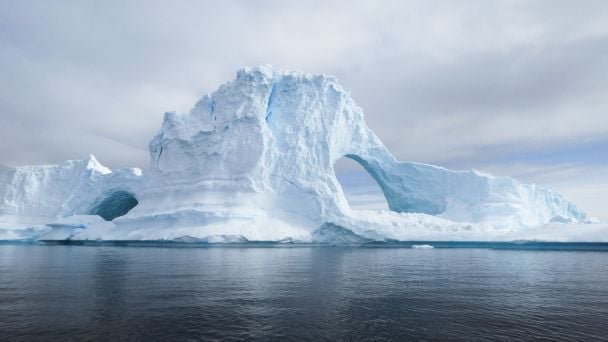
Discovery of a Giant Antarctic Egg
According to TSN.ua: A colossal 68-million-year-old egg, measuring 28 by 18 centimeters and nicknamed 'The Thing,' has been unearthed in Antarctica, challenging long-held beliefs about how marine reptiles reproduced during the Mesozoic era. This remarkable fossil, belonging to a newly identified species named Antarcticoolithus bradyi, is estimated to have been laid by a marine reptile at least 7 meters long. Such finds are exceptionally rare in the Antarctic fossil record, making this a landmark discovery.
The egg was first found on Seymour Island in 2011, but its true nature remained a puzzle for years. It wasn't until 2018 that Professor Julia Clarke confirmed the object was, in fact, a giant egg with a soft shell. This revelation sparked significant interest in the scientific community, as it contradicts the traditional view that large marine reptiles of the time gave birth to live young rather than laying eggs.
The Significance of the Find
Researcher Lucas Legendre emphasized its uniqueness, stating:
This is from an animal the size of a large dinosaur, but it is completely unlike a dinosaur egg.This distinction underscores the egg's importance for understanding the evolutionary adaptations of ancient marine reptiles.
The egg's soft, leathery shell, as opposed to a hard, calcified one, is another key feature forcing a reevaluation of reproductive strategies in prehistoric marine ecosystems. The long journey from its discovery on Seymour Island to its formal identification opens new avenues for research into Mesozoic fauna. Discoveries of this magnitude are crucial for piecing together the biology and ecology of creatures that dominated ancient oceans.
This find highlights the dynamic nature of paleontology and its power to reshape our understanding of evolutionary history. It will likely inspire new investigations and potentially alter our perception of ancient marine ecosystems and their inhabitants. Ongoing research into the Antarcticoolithus bradyi egg may yet yield further insights into the life cycles of marine reptiles from the age of dinosaurs.
Read also
- Bosnia and Herzegovina Joins Coalition for the Return of Ukrainian Children, Says Foreign Minister Sybiha
- Ukraine Launches Hungarian-Language YouTube Channel: 340,000 Views in Just Days
- Russia Intensifies Terror Against Civilians, Ukraine’s Foreign Minister Warns After New Casualties
- Russian Army Imposes Shell Restrictions: What It Means for the Frontline
- Ukraine Charges 10 Russian Soldiers for Drone Strikes Targeting Civilians in Kherson
- New Warhead for Russian Kalibr Missiles: What Ukraine’s Defense Ministry Uncovered