UK's Ammunition Plant Faces Delays, Raising Concerns Over Shell Production.

Delays at the Glascoed Facility
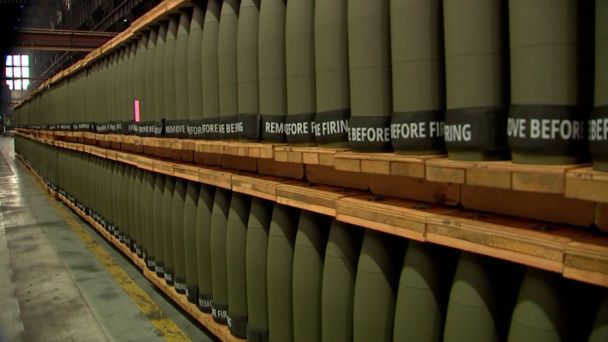
According to TSN.ua: The opening of a new ammunition plant in Glascoed, Wales, has been delayed for over six months past its scheduled launch date. This setback poses a significant challenge to the UK's defense stockpiles, as the factory was slated to begin producing artillery shells by the summer of 2025. BAE Systems, the contractor, confirmed the delay, citing plans to double the plant's capacity in 2025 as a factor impacting the timeline. This situation is unfolding against a backdrop of heightened global demand for artillery munitions.
Currently, the UK faces a projected £28 billion funding shortfall for defense over the next four years. This financial pressure exacerbates the challenge of supplying the army with necessary munitions. At present, BAE produces between 3,000 and 5,000 155mm shells annually. A promised sixteen-fold increase in production could yield a maximum of 80,000 shells per year.
Francis Tusa, a military affairs expert, notes: 'The 155mm shell is the bedrock of all armies in wartime.'
This underscores the critical need to resolve the factory's opening swiftly. Meanwhile, in contrast to the Glascoed delay, Germany's largest arms manufacturer, Rheinmetall, has already opened a new plant capable of producing up to 1.1 million shells by 2027.
Luke Pollard, a defense industry representative, has expressed a desire to see more ammunition production based in the UK. The delay at Glascoed not only threatens the country's defense reserves but also its ability to respond to contemporary military challenges.
Impact on Defense Capability
The postponement at the Glascoed plant could significantly undermine the UK's defense capability, particularly given increasing competition from nations like Germany. Amid growing military threats and a funding deficit, ensuring the army has sufficient ammunition is becoming critically important. Resolving this issue will require not only accelerating the factory's opening but also a strategic approach to developing the nation's defense industry.
Read also
- Ukraine’s Central Bank Pulls 10-Kopiyka and 1-Hryvnia Coins: How to Swap Outdated Currency
- EU Grants Ukraine €920 Million for Winter, but Kyiv Says Over €5 Billion More Is Needed
- Bank Profit Tax Could Stay at 50% in 2027: What It Means for Ukraine's Budget
- Combat veterans can now access mortgages at 3% annual interest with a starting down payment of just 6%
- PrivatBank Customers Outraged Over Fees for Transferring Their Own Money from 'Konvert' Account
- Ukrainian Hryvnia Could Plummet Past 50 Per Dollar by Year-End: Currency Market Turmoil