Ukraine's Zelenskyy Targets Russian 'Shadow Fleet' with New Decree, as Oil Revenues Drop 20%.

Companies from Russia, Vietnam, and UAE Face New Restrictions
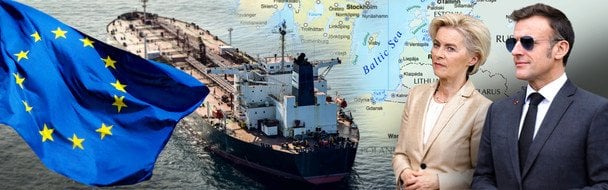
According to TSN.ua: President Volodymyr Zelenskyy has signed a decree imposing restrictions on companies from Russia, Vietnam, and the United Arab Emirates that manage tankers exporting Russian oil. This action is part of a broader campaign to counter Russia's so-called 'shadow fleet,' estimated to consist of between 940 and 1,400 vessels. Following new sanctions from the European Union, the 'blacklist' of tankers subject to restrictions has grown to nearly 600 ships.
Sanctions Reshape the Energy Market
Data indicates that 75% (and by some estimates up to 86%) of Russia's seaborne oil exports are handled by this shadow fleet, highlighting the significant role of illicit schemes in its energy market. Concurrently, Russia's revenues from energy sales in 2025 have fallen by approximately 20% compared to 2024. This decline follows a peak year in 2022, when Russia earned over $1.18 trillion from fossil fuel exports, underscoring the sector's vast economic importance. The Western sanctions regime, designed to curb Moscow's war funding, is a primary driver of these financial pressures.
From February 1, 2026, the EU will lower the price 'cap' on Russian seaborne oil from $60 to $44.10 per barrel. This decision is a key component of the strategy to reduce Russia's energy export income. The primary importers of Russian crude oil remain:
- China
- India
- Turkey
In a related development, Russia tripled the number of its military exercises in the Baltic Sea in 2025, a move that signals rising geopolitical tensions in the region.
These measures, including the introduction of new sanctions and restrictions, underscore the efforts by Ukraine and the international community to combat Russia's financial capabilities.
Source: Not specified
Reducing oil export revenues and controlling shadow schemes are crucial elements of a strategy aimed at weakening Russia's economic foundation amid increasing geopolitical strain. These developments are likely to have a substantial impact on global energy markets and international relations in the region.
Read also
- Germany Demands End to Automatic Protection for Ukrainian Men of Fighting Age: What’s Behind the Move
- Fuel Shortage in Crimea Due to Ukrainian Strikes: How It Disrupts Russian Logistics
- Despite Treason Charges, Shufrych Returns to Parliamentary Committee Work
- Zelenskyy Signals Breakthrough in EU Accession Talks
- Key Outcomes of Zelenskyy's Talks with Sweden's PM: What Was Agreed on Gripen Jets
- Air Defense and Drone Deal Top Agenda in Zelenskyy’s Talks with Finland’s Prime Minister