Bare-root plants are making a comeback: why gardeners recommend planting them in winter.

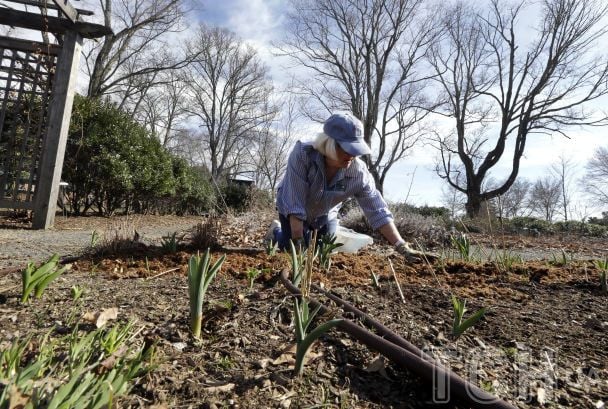
According to ТСН: Bare-root plants are becoming popular in gardening again, especially in winter, and experts recommend using them to enhance the garden. These plants, freshly dug and not packaged in containers, are more affordable, environmentally friendly, and often more resilient than potted plants. Demand for them is increasing.
They are dug up during dormancy, presenting bare-root systems ready for transplanting into the ground. Before the widespread use of garden centers, perennials were sold this way, wrapped in paper. Although plastic pots became popular, some varieties, such as roses and hedges, are still offered as bare roots. Today, interest in this format has expanded to other perennials.
Recommended bare-root plants
Asters. These plants bloom profusely into late autumn, actively attracting pollinators and adding color to the garden.
Gaura 'Sisqueyo Pink'. Drought-tolerant perennial with bright flowers at the end of summer, ideal for a cottage garden.
Lupine. Adds height and structure with its tall flower spikes. Recommended to plant in groups for a more pronounced effect.
Anemone 'Honorine Jobert'. A classic plant with white flowers that thrives in partial shade and various soil types.
Chocolate cosmos (Cosmos atrosanguineus). Striking dark brown velvety flowers with a chocolate scent, but sensitive to frost.
Helleborus 'Pretty Ellen Spotted'. Hellebores that bloom in the coldest months wonderfully complement a winter garden.
Sage 'Berggarten'. A hardy perennial that attracts pollinators and has a long flowering period.
Fruit bushes. Raspberries, strawberries, and currants grow well as bare-root plants.
Roses. A classic choice for planting.
Head gardener David Glass from Bowood House advises to keep the roots moist and protected before planting, as well as to use rooting enhancers.
Native plants for hedges.
According to David Glass, planting in autumn and winter allows the roots to establish before the growing season, reducing losses and promoting vigorous growth.
Experts note that the quality of potted plants often leaves much to be desired, and plastic pots take up unnecessary space and are non-recyclable. Switching to bare-root plants helps reduce plastic use and improve seedling quality. Such perennials are characterized by hardiness, maturity, and frost resistance.
Specialists recommend planting these plants in autumn or winter, between frosts, as the roots have time to strengthen before the growing season starts. Planting in warm months can cause stress and the risk of root drying, while the cold season significantly reduces these risks.
Additionally, planting is physically easier, as only a smaller hole is needed, and for hedges, a single long trench can be dug. In the case of large orders, bare-root plants are easier to purchase in bulk, which is cost-effective and convenient for transportation.
Remember that improper winter pruning can lead to a lack of spring flowering.
An expert emphasizes: some shrubs must not be pruned in December.
Thus, planting bare-root plants is a beneficial and practical alternative to traditional containers. It not only saves costs but also supports ecological initiatives by reducing plastic use. Interest in such plants is growing, and in spring gardeners will be able to enjoy new colors in their gardens.
Read also
- A 15-Minute Dinner That Feels Like a Feast: Carbonara-Style Potatoes with Bacon and Cream Sauce
- A Quick 5-Minute Homemade Gravy: Simple Ingredients, Big Flavor
- Hairstyles That Wreck Fine Hair: Top Mistakes to Avoid
- Fight Dust with Liquid Glycerin: A Simple Pharmacy Find That Transforms Your Cleaning Routine
- Kyiv Region Braces for a Warm June 11: Temperatures Set to Reach +28°C
- A Simple Zucchini and Eggplant Stew Recipe from 'Tasty Bites'