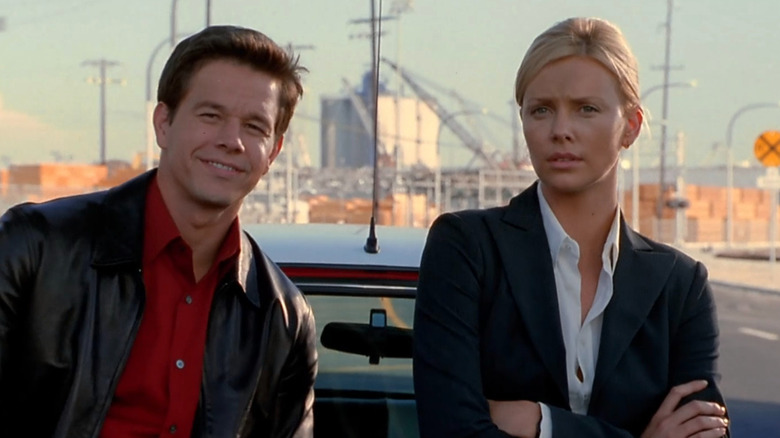
From Page to Iconic Screen: Four Book Adaptations That Defined an Era.

Literary Masterpieces Reborn as Cinematic Icons
According to Novyny.live: Some of the most celebrated films in history began their life as novels. The journey from book to screen has produced enduring classics that resonate deeply with audiences. This list highlights four landmark adaptations, from 'Harry Potter' to 'The Green Mile', which not only tell compelling stories but also explore profound social themes that continue to spark conversation.
-
Harry Potter and the Prisoner of Azkaban
Leading the list is 'Harry Potter and the Prisoner of Azkaban', the third installment in the saga of the young wizard. This adaptation further immerses viewers in a world of magic, friendship, and the fight against darkness, elements that cemented the global phenomenon of the franchise.
-
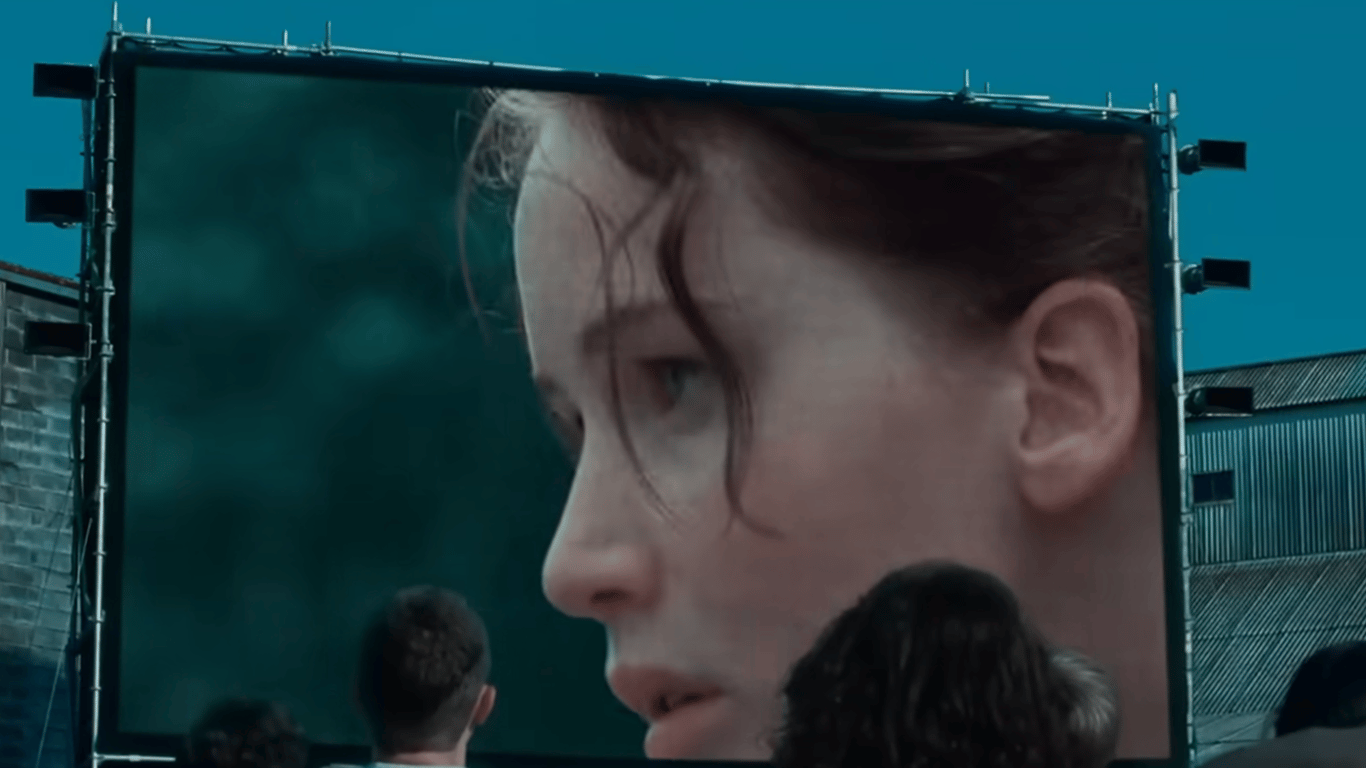
The Hunger Games
Next is 'The Hunger Games', a film that confronts the chilling concept of human life as televised entertainment. Centered on a brutal fight for survival, this adaptation provokes intense debate about morality, spectacle, and the ethical fabric of society.
-
The Green Mile
'The Green Mile' is another iconic film, presenting a powerful story of injustice within a death row prison. Set against a harsh reality, its narrative invites viewers to reflect on deep questions of compassion, humanity, and the nature of justice itself.
-
Pride and Prejudice
Rounding out the selection is 'Pride and Prejudice', based on the novel by Jane Austen. This classic adaptation examines the intricate dance of class relations and the pursuit of love within a world governed by strict social conventions.
Together, these four films demonstrate how literary works can serve as the foundation for cinematic masterpieces that leave a lasting cultural and societal impact. The enduring popularity of these stories underscores a timeless connection between readers and moviegoers. Successful adaptations often introduce beloved books to entirely new generations of fans.
This overview highlights the significant role of literary adaptation in cinema. Such films do more than entertain; they challenge audiences to contemplate complex social issues. Acting as mirrors to society, they reflect its evolving values, problems, and aspirations. Adaptations like 'Harry Potter' and 'The Hunger Games' have particularly shaped the worldview of younger audiences, providing a framework for ongoing discussions about ethics, equity, and personal courage in the modern world.
Read also
- Blogger Ksyusha Mannequin Welcomes First Child, Opens Up About Body Image Freedom and Gratitude
- Tina Karol Shares New Photo and a Warning for Her Future Daughter-in-Law: What the Singer Had to Say
- The Best Heist Movies: A Top List of Captivating Crime Films
- Yevgen Kaporin, 40, Weds 22-Year-Old Sofia: An 18-Year Age Gap
- Pregnant Belly Revealed: Ukrainian Actress Kateryna Tyshkevych Poses in a Daring Dress
- Ukrainian Singer Nastya Kamenskikh Poses for a Photoshoot in a Kyiv Cornfield