Five Houseplants That Naturally Reduce Humidity and Improve Your Home's Air.

How Indoor Plants Can Transform Your Home's Climate
According to Novyny.live: Houseplants do more than just beautify our living spaces; they can also play a significant role in enhancing the indoor environment. Certain species are particularly effective at lowering humidity levels, making them perfect for enclosed areas. Here are several plants that can help you achieve a more comfortable and healthier atmosphere.
-
Boston Fern
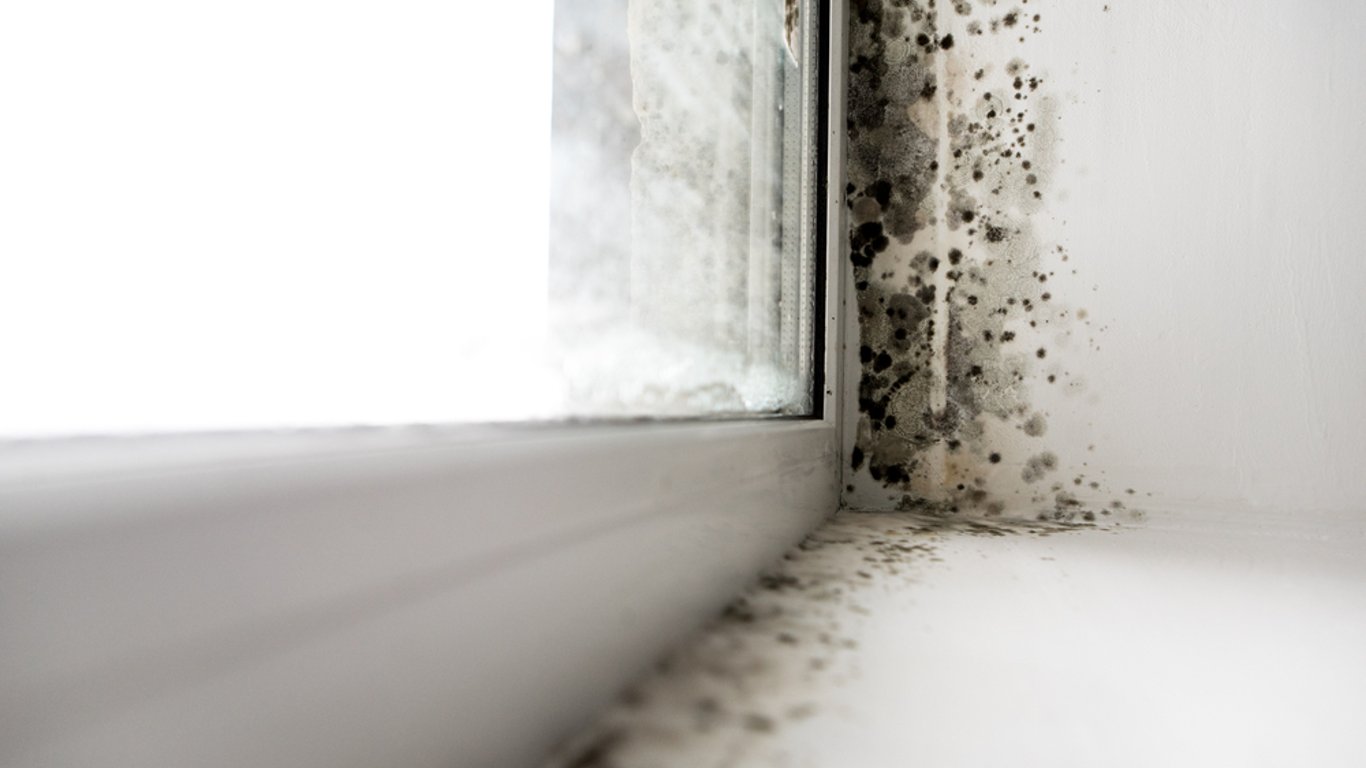
This plant ranks among the best for stabilizing indoor climate. It actively helps reduce condensation, which can otherwise encourage mold and mildew growth. Having this green companion in your home allows you to improve air quality and lower humidity.
-
Peace Lily
Another plant with a positive impact on your home's air, the Peace Lily not only purifies the air but also absorbs moisture effectively. It thrives well in rooms with low light, making it a versatile choice for various conditions.
-
English Ivy
This climbing plant is also noteworthy for its ability to reduce mold spores in the air. It is especially recommended for areas with poor ventilation, as it can substantially improve air quality in such spaces.
-
Snake Plant
Also known as Sansevieria, this plant is exceptionally useful due to its capacity to produce oxygen at night. It has low transpiration rates, making it ideal for those who cannot tend to plants frequently.
-
Spider Plant
This plant combines air purification with moisture absorption. It is an excellent option for enhancing your home's microclimate, as it efficiently reduces humidity and promotes a healthier environment.
Therefore, houseplants can serve not only as aesthetic additions to your decor but also as vital allies in ensuring a comfortable indoor climate. Selecting the right plant species can significantly improve air quality and lower humidity levels in your home.
Choosing indoor plants enhances more than just the visual appeal of your living space; it also positively impacts residents' health. Reducing humidity, purifying the air, and lowering the risk of mold and mildew are just some of the benefits these plants offer. Given modern lifestyles, where many people spend a considerable amount of time indoors, it's important to consider not only their appearance but also their functionality in creating a healthy microclimate.
Read also
- Blago Becomes Lead Partner of Lviv Fashion Week: What This Means for Ukrainian Designers
- From Johnson’s Memoir to the War of Tomorrow: 5 Must-Read Books Coming in 2026
- Forecaster Didenko Issues Weather Update for July 15: Where Rain Is Expected
- How to Choose a School Backpack: Key Factors for Your Child's Health and Comfort
- A Simple Recipe for Tomato Fertilizer Made from Yeast and Banana Peels
- Custom Door Signs Over Stock Options: How Office and Residential Navigation Is Evolving