Agent 007 Actors: Stars Who Played James Bond Over the Years.
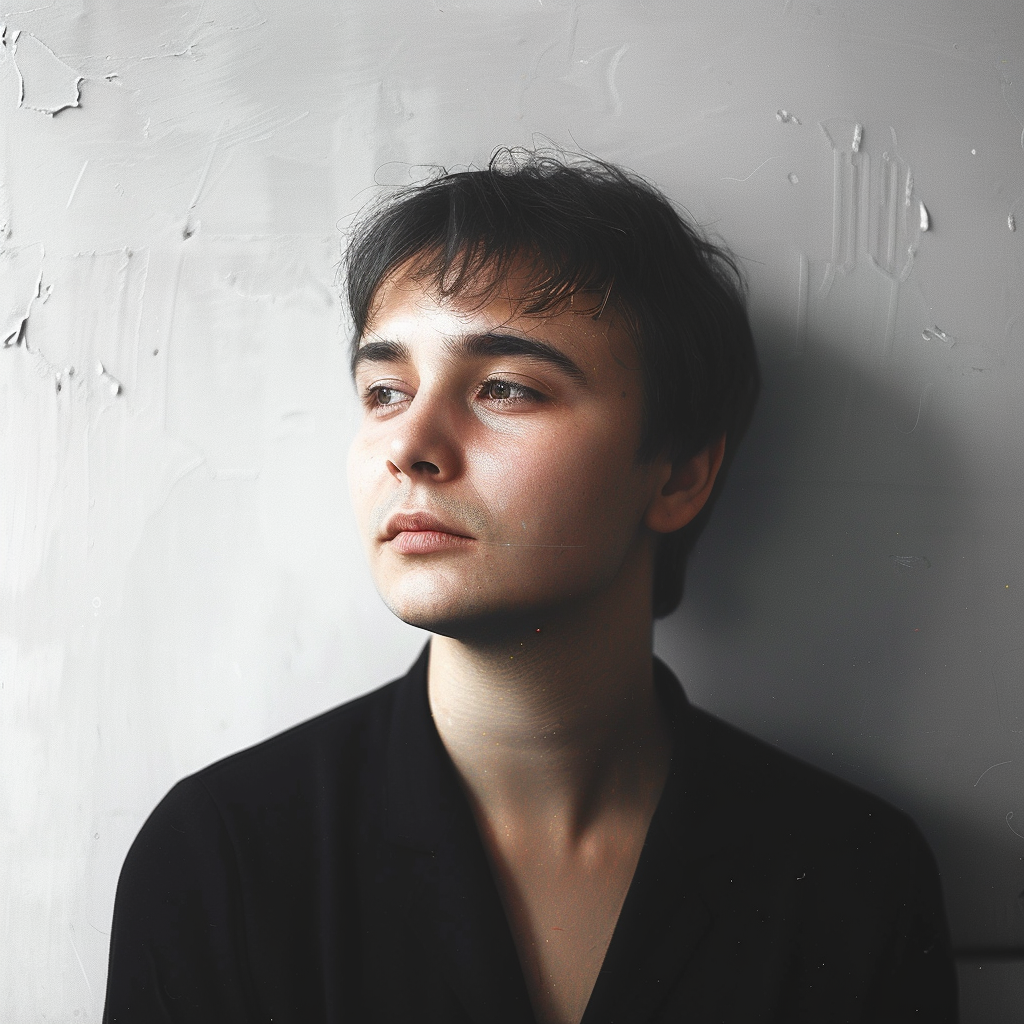

It is hard to find movie buffs who do not know about the Bond franchise. After all, it is a thrilling and quite interesting film.
James Bond films, or as he is also called - Agent 007, have become one of the most successful and longest-running franchises in the history of world cinema. All of them deserve special attention.
Main Actors of the "Agent 007" Film
This image is a symbol of British intelligence, elegance, masculinity, and impeccable style. Since the release of the first film in 1962, Bond films have turned into a cultural phenomenon that combines spy intrigues, romance, exquisite humor, and spectacular action. However, the most important role in the formation of this image was played by the actors who embodied him on screen over the years. Each of them added something of their own - character, charm, individuality, and it is thanks to this diversity that Bond remains relevant for over six decades.
In total, only a few actors have played the role of Agent 007, but each of them left a deep mark in the series and in the memories of viewers. From the classical, aristocratic style of Sean Connery to the more emotional and modern approach of Timothy Dalton - the image of Bond evolved along with the world while preserving its recognizable charisma and steadfastness.
The series about Agent 007 can be called a peculiar era in the history of cinema. From the release of the first part "Dr. No" (1962) to today, Bond has changed his face, style, and even mannerisms, but his spirit has remained unchanged - a fearless, seductive, and dedicated spy, who always finds himself at the center of global conspiracies.
Sean Connery became the first and, according to many film critics, the most charismatic James Bond. George Lazenby, although only appearing in one film, managed to give the character humanity. Roger Moore made Bond more ironic and refined, while Timothy Dalton returned depth and seriousness to the character, akin to the original novels by Ian Fleming. These actors laid the foundation for future generations of Bond performers, and each of them left a unique mark in the series.
Sean Connery (1962–1967; 1971)
This is the classic of the Bond franchise. Sean Connery is a name that forever etched itself into the history of cinema. He was the first to portray James Bond on the big screen in the film "Dr. No" (1962). His performance became the standard by which all subsequent actors are compared. Connery created the perfect balance between a cold-blooded spy and the charm of a true gentleman. His Bond was brave, smart, witty, and at the same time dangerous.
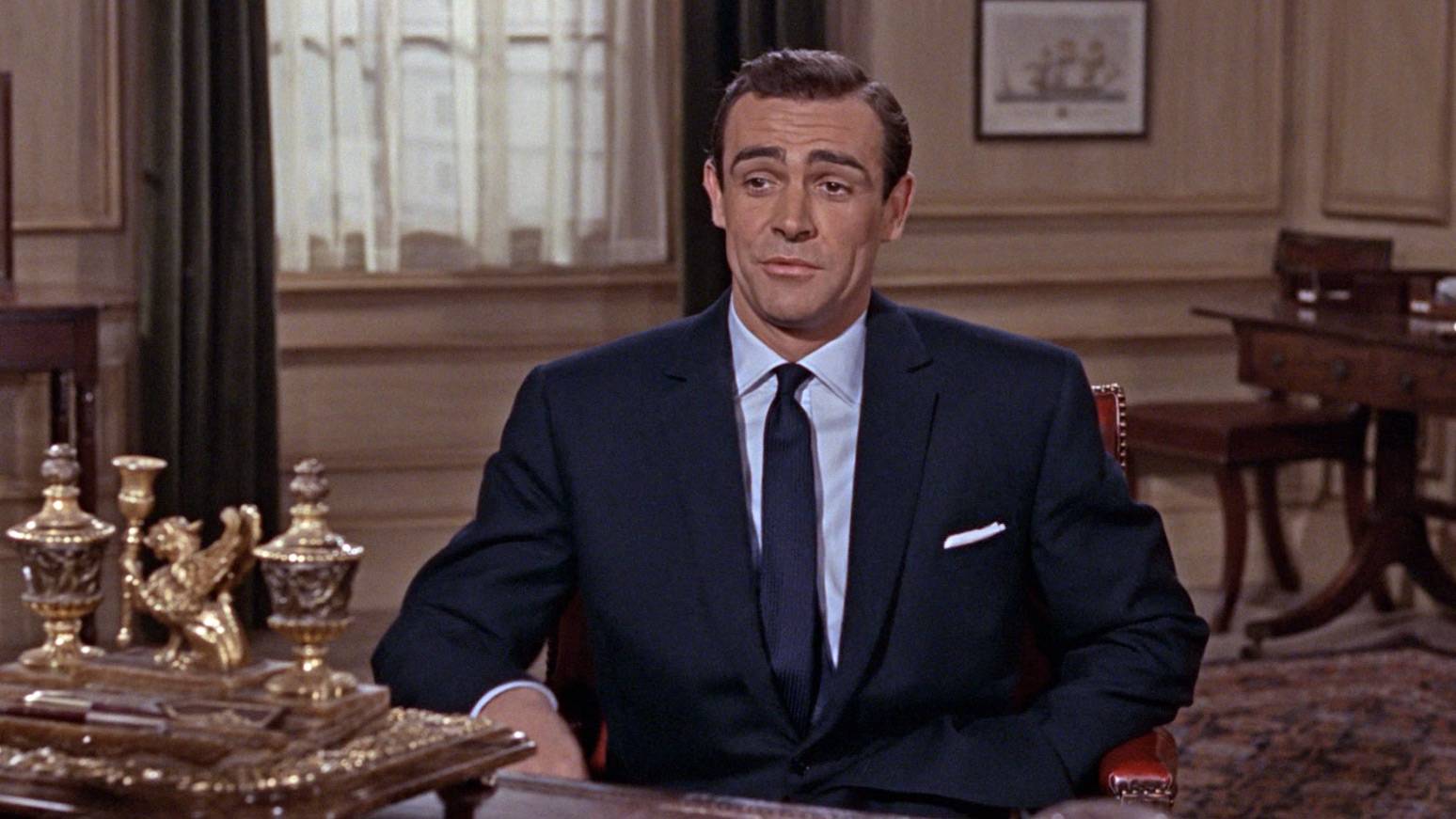
Throughout the 1960s, Connery starred in seven Bond films, including "From Russia with Love," "Goldfinger," "Thunderball," "You Only Live Twice," and "Diamonds Are Forever." These films became classics of the genre and formed the main features of the franchise: spectacular chases, charismatic antagonists, luxurious locations, and, of course, the signature phrase: "The name's Bond. James Bond.".
Connery's performance was so charismatic that his return in 1971 after a break was perceived as a triumph. Even decades later, his Bond remains a favorite for millions of viewers, as it was he who made this hero a legend.
George Lazenby (1969)
After Connery's departure, the role of James Bond went to Australian actor George Lazenby, who only starred in one film - "On Her Majesty's Secret Service" (1969). Although his time in the franchise was short, it was significant for the character's development. Lazenby portrayed Bond as more human, emotional, and vulnerable. His character was not just an agent following orders but a person capable of genuine feelings and even true love.
This film became special in the series as it was the one where Bond gets married - an event that fans did not expect. Lazenby, although not having significant acting experience, managed to handle the role dignifiedly, conveying both the confidence of a spy and internal drama. Unfortunately, after the film's release, the actor decided not to continue in the series, believing that this genre had exhausted itself.
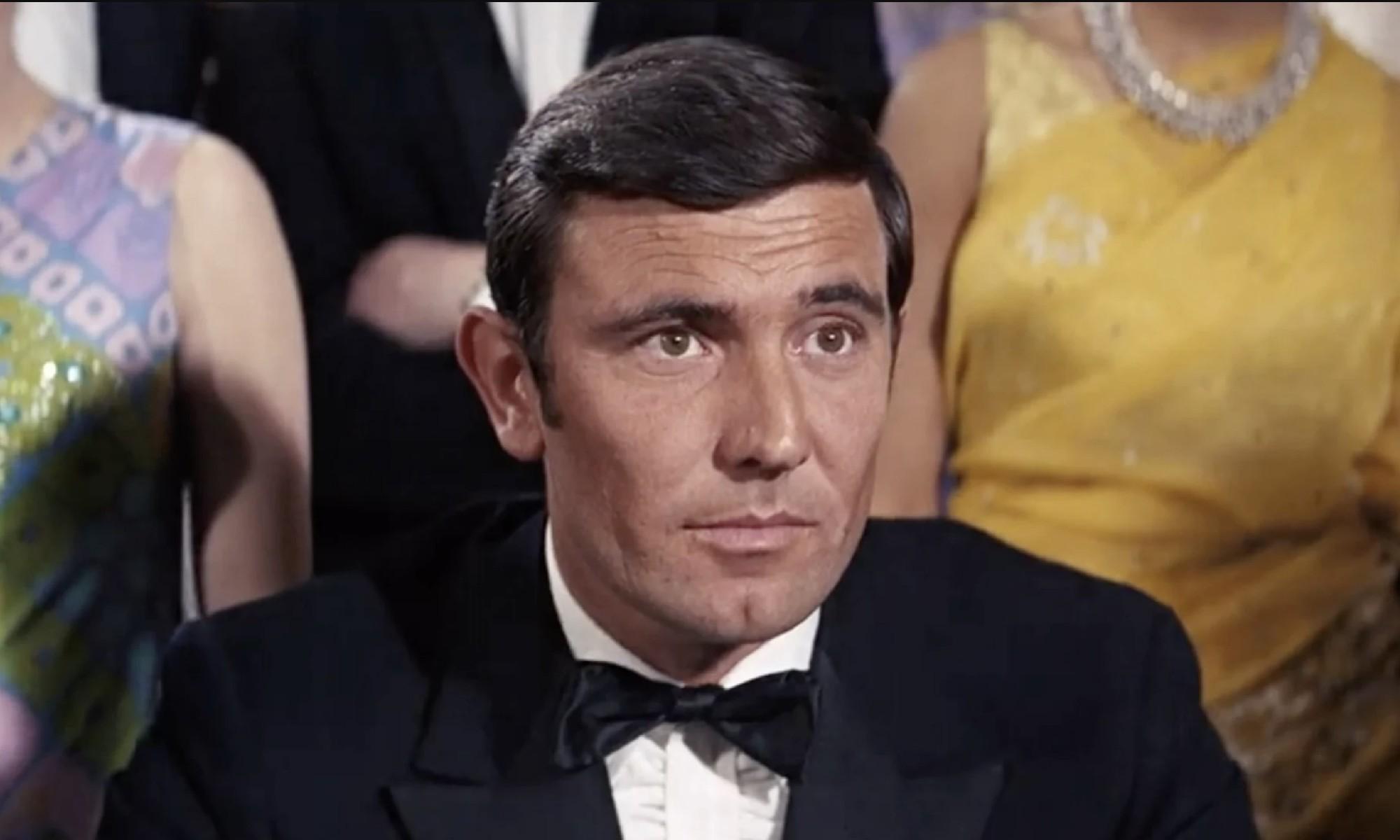
Despite the skepticism, over the years, "On Her Majesty's Secret Service" gained cult status, and Lazenby's performance was recognized for the emotional depth that was then lacking in spy films.
Roger Moore (1973–1985)
After a short break, the franchise got a new face - Roger Moore, who played James Bond in seven films and became the longest-serving actor in the role. His debut in the film "Live and Let Die" (1973) marked a new style - lighter, more ironic, and refined. Moore brought charm, humor, and even a bit of self-irony to the series, making his Bond closer to the audience.
His Bond relied less on physical strength and more on wit and diplomacy. In such films as "The Spy Who Loved Me" and "Moonraker," the actor showcased himself as a master of elegant play, where even in the most tense moments he maintained composure and a smile.
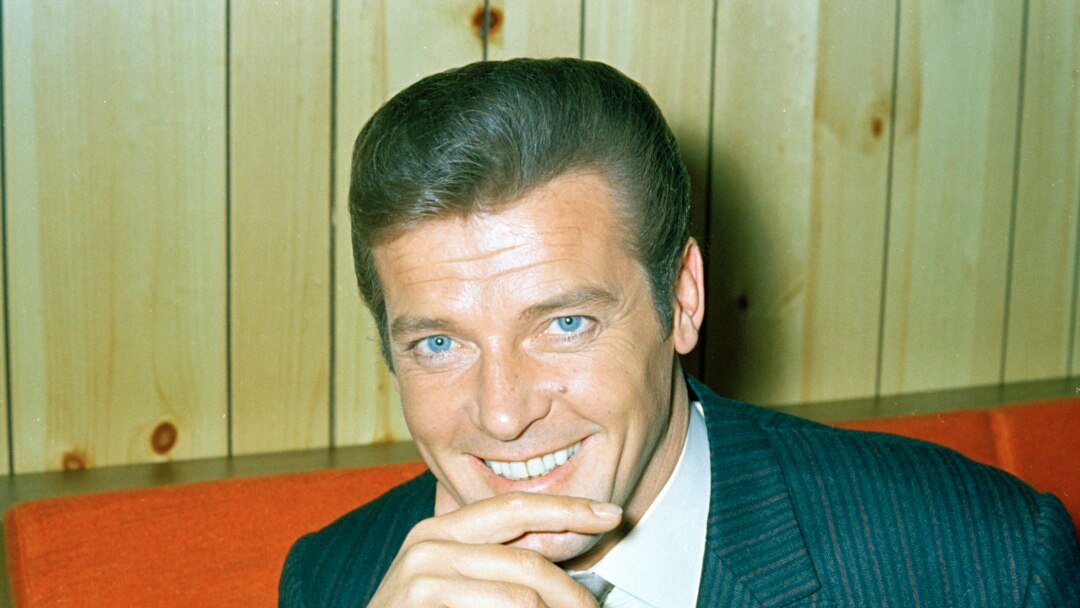
Moore helped the franchise survive generational change, making Bond a hero who simultaneously captivates and entertains. His version of 007 differed in friendliness and light humor, giving the films a more pop-cultural tint; however, this is what made them extraordinarily popular in the 1970s and 1980s.
Timothy Dalton (1987–1989)
After the era of Roger Moore, producers decided to return to a more serious and dramatic image of James Bond. That is why the choice fell on Timothy Dalton, an actor with a theatrical background and deep dramatic talent. His debut in the film "The Living Daylights" (1987) was a sharp contrast to previous versions.
Dalton portrayed Bond closer to the hero of Ian Fleming's novels - darker, immersed in internal conflicts, prone to self-reflection. His Agent 007 is a person who not only fights enemies but also battles his own doubts. In the films "The Living Daylights" and "Licence to Kill" (1989), the character became more emotional, tougher, but at the same time more real.
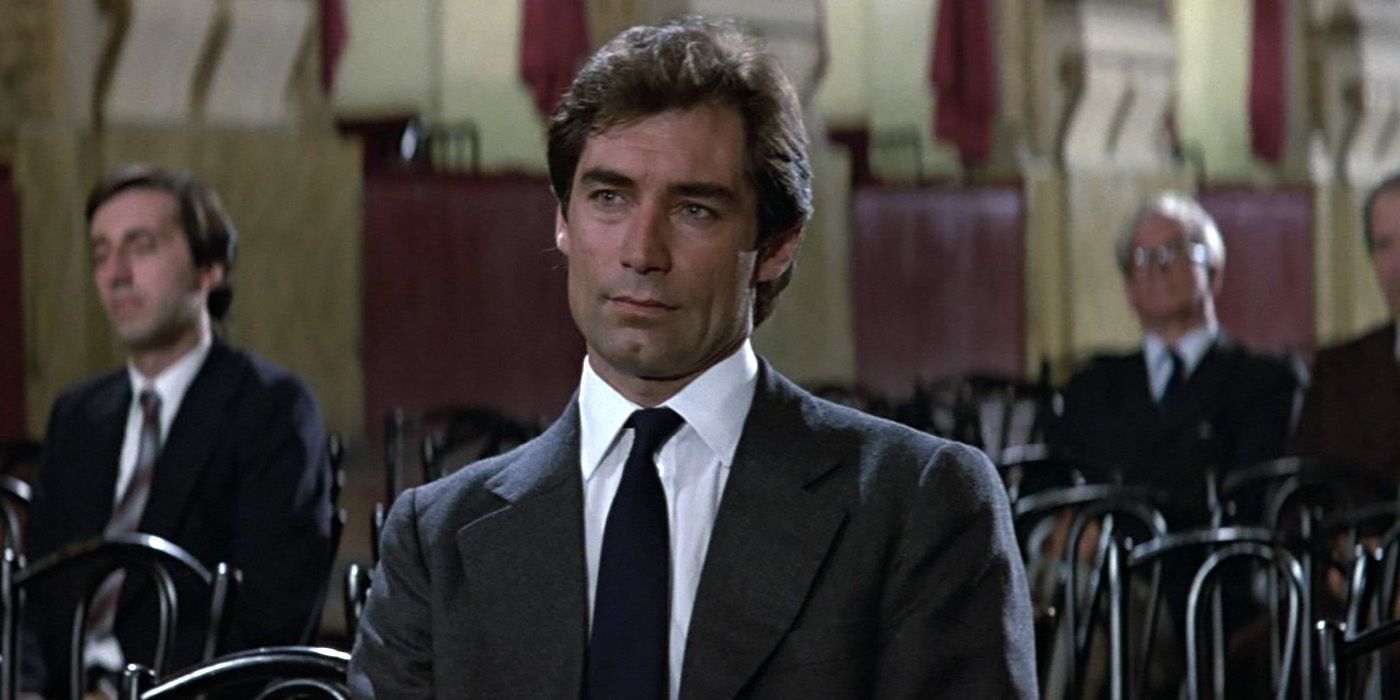
Although some viewers were not ready for such a serious Bond, today many critics consider Dalton’s version to be one of the most authentic. He became a kind of transitional stage between the classical era and the new generation, later represented by Pierce Brosnan and then Daniel Craig.
Pierce Brosnan (1995–2002)
Pierce Brosnan's appearance in the role of James Bond in the mid-1990s marked the return of the franchise to worldwide success after nearly a decade-long pause. His debut in the film "GoldenEye" (1995) was a real explosion for viewers and critics. Brosnan managed to find the perfect balance between the classic charisma of Sean Connery, the humor of Roger Moore, and the seriousness of Timothy Dalton. His Bond is elegant, intelligent, but at the same time uncompromising and dangerous when the situation demands it.
During the 1990s, the film world was actively changing - technologies became a part of daily life, and the spy genre required modernization. It was Brosnan who became the face of the modern Bond of a new era. His hero not only used classic gadgets but also contemplated moral dilemmas faced by the modern agent - issues of trust, honor, and responsibility.

In addition to "GoldenEye", Brosnan starred in three other installments of the franchise: "Tomorrow Never Dies" (1997), "The World Is Not Enough" (1999), and "Die Another Day" (2002). In each of them, his Bond showcased various facets of character - from the cold-blooded professional to a vulnerable person struggling with loneliness and the pain of loss. The actor himself repeatedly noted that he aimed to make the character more "human," not just a flawless killing machine, but also a personality with his own weaknesses.
Brosnan became a symbol of the Bond of a new generation - sophisticated, modern, but with an unwavering sense of justice. His performance brought commercial success to the series and popularity among younger audiences, who rediscovered the franchise anew. During his era, especially spectacular scenes, luxurious locations, and the most modern special effects stood out, combining the traditions of "Bondiana" with the dynamism of early 2000s blockbusters.
Despite the brilliant success, after the fourth film, producers decided to reboot the series, seeking a deeper and more serious approach to Bond's story. However, Brosnan forever remains in the memories of fans as one of the most charming and sophisticated agents 007, embodying the golden mean between classic and modernity.
Daniel Craig (2006–2021)
Daniel Craig's appearance as James Bond was one of the most radical and successful transformations in the history of the franchise. His debut in the film "Casino Royale" (2006) not only renewed the image but actually created a new Bond - more realistic, vulnerable, and psychologically deep. While previous actors played sophisticated spies, Craig presented a flesh-and-blood human who makes mistakes, suffers, but never gives up.
His physical training, intensity of performance, and ability to convey inner experiences made the character closer to the audience. In "Casino Royale," Bond experiences his first real love, loses it, and through the pain transforms into the cold-blooded professional we see in subsequent films. This plot became the starting point for an emotional arc that spanned all five films with Craig.
His filmography includes installments such as "Quantum of Solace" (2008), "007: Skyfall" (2012), "Spectre" (2015), and the final film "No Time to Die" (2021). Each of these films adds a new dimension to Bond's personality: his relationship with M, his struggle with his own past, and the awareness of the price of his profession. "Skyfall" especially stands out as a deeply personal film that combined an epic spy story with drama about loyalty, loss, and legacy.

Craig's Bond is not just a man who saves the world; he also seeks meaning in his work. His hero is tired but unyielding; he understands that victory does not always bring satisfaction, and the death of an enemy does not equal justice. This approach has made the character much more multifaceted and realistic than ever before.
In addition to dramatic depth, the series with Craig was marked by a high level of production - from stunning stunts and fights to cinematic scenes filmed in the most beautiful corners of the world. Directors focused not only on the spectacularity but also on the psychological plausibility of each episode.
His final film, "No Time to Die," became an emotional conclusion to the story - for the first time in the history of the franchise, Bond says goodbye to life, sacrificing himself for those he loves. This decision became a symbolic culmination of a fifteen-year era during which the character transformed from a legendary agent to a complex, true hero with deep emotions.
Daniel Craig not only modernized Bond but also brought him closer to a modern audience, showing that even in the world of spies, there is room for humanity, feelings, and moral choices. His interpretation has set a new standard for future generations and forever changed the perception of Agent 007 in cinema.
Read also
- Zendaya Announces a Career Break: What Led the Actress to Step Back
- Olga Gorbachova and Yuriy Nikitin Split Again: What Happens to Their Daughters Now
- Dmytro Koliadenko Opens Up About His Son’s Wedding: The Best Celebration of His Life
- Kim Kardashian Mourns the Loss of Her Grandmother Mary Jo Shannon at Age 91
- Michael J. Fox Celebrates 38th Wedding Anniversary: Touching Words to His Wife Tracy Pollan
- Lindsay Lohan Shares Heartfelt Birthday Tribute to Her Son on His 3rd Birthday Alongside Husband