Protecting Plants from Frost and Pests: The Benefits of Agricultural Fleece.

Agricultural Fleece: Key Advantages and Applications
According to Novyny.live: Agricultural fleece is a lightweight, non-woven fabric made from polypropylene fibers, designed to shield plants from frost and pests while promoting healthier growth. Its unique properties have made it an increasingly popular choice for gardeners and farmers seeking to create optimal growing conditions for their crops.
This versatile material allows sunlight, air, and moisture to pass through, which is essential for robust plant development. It provides effective frost protection down to -5°C, enabling plants to survive unexpectedly cold nights. Additionally, the fleece helps warm the soil more quickly in spring, encouraging earlier seedling development and extending the growing season.
How Agricultural Fleece Safeguards Plant Health
Beyond temperature control, this covering material serves as a powerful defense against various pests and diseases. Agricultural fleece acts as a physical barrier, protecting plants from common invaders such as:
- Aphids
- Whiteflies
- Cabbage root flies
- Flea beetles
- Onion flies
This makes it a valuable component of integrated plant protection strategies.
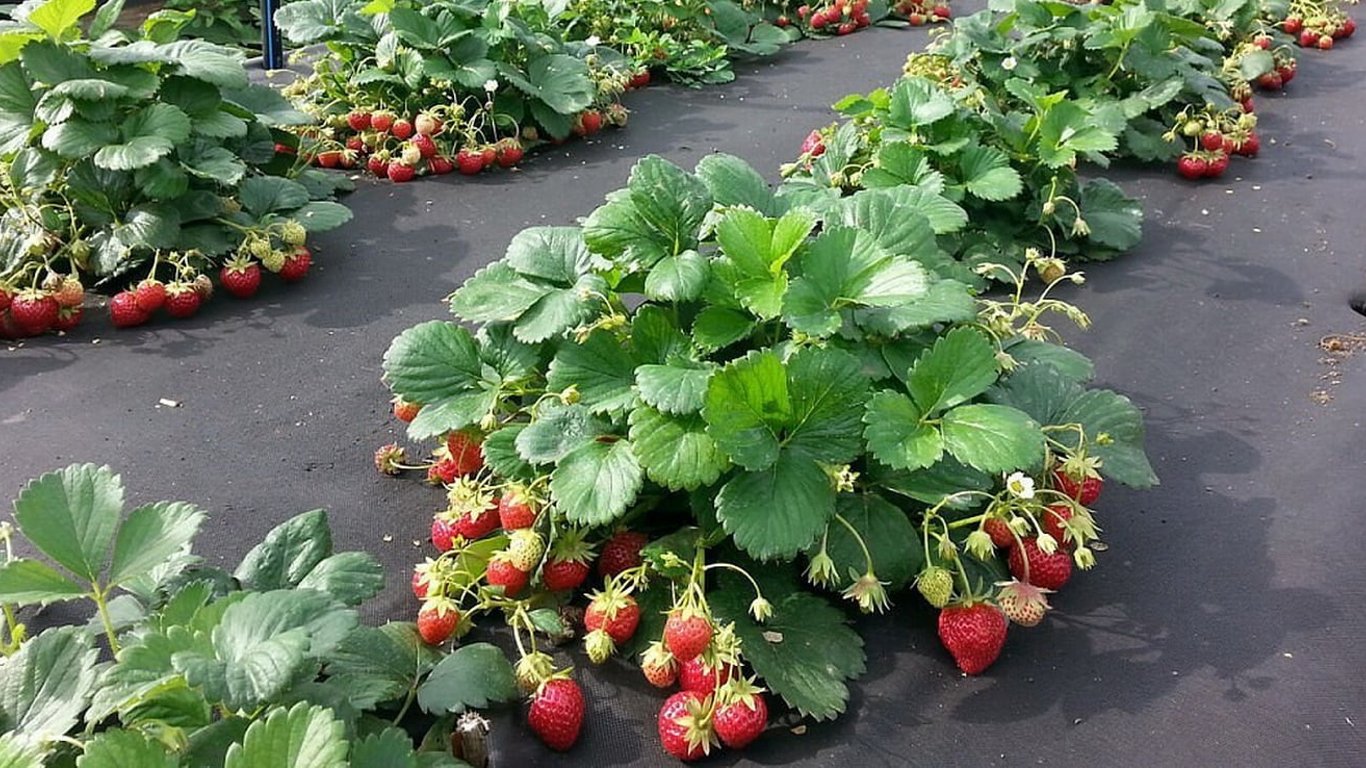
To achieve the best results, proper installation is crucial. The fleece should not be stretched too tightly, allowing ample room for plants to expand. For direct plant covering, white fleece is recommended, while black fleece is often used as a weed-suppressing mulch. It's also important to inspect the covering after strong winds to ensure plants remain properly protected.
Due to its durability, agricultural fleece can be reused for multiple growing seasons, offering a cost-effective solution for agricultural professionals and home gardeners alike. This material is particularly relevant today as growers face new challenges from climate change, including more frequent frosts and shifting pest populations. By enhancing crop yields and plant vitality, agricultural fleece represents a practical long-term investment in sustainable cultivation.
Read also
- Blago Becomes Lead Partner of Lviv Fashion Week: What This Means for Ukrainian Designers
- From Johnson’s Memoir to the War of Tomorrow: 5 Must-Read Books Coming in 2026
- Forecaster Didenko Issues Weather Update for July 15: Where Rain Is Expected
- How to Choose a School Backpack: Key Factors for Your Child's Health and Comfort
- A Simple Recipe for Tomato Fertilizer Made from Yeast and Banana Peels
- Custom Door Signs Over Stock Options: How Office and Residential Navigation Is Evolving