Gooseberry Companion Planting: Boost Your Harvest and Avoid Harmful Neighbors.


Choosing the Right and Wrong Neighbors for Gooseberry Bushes
According to Novyny.live: Gooseberries are a favorite among gardeners, and knowing which plants to grow nearby is key to a successful harvest. Research confirms that neighboring plants can either strengthen gooseberries or create significant problems for them. This practice, known as companion planting, is a cornerstone of sustainable horticulture.
The best companion plants for gooseberries include:
- Red and white currants, which share similar soil requirements.
- Mint and lemon balm, as they can repel aphids and other pests.
- Garlic and onions, which offer protection against fungal diseases.
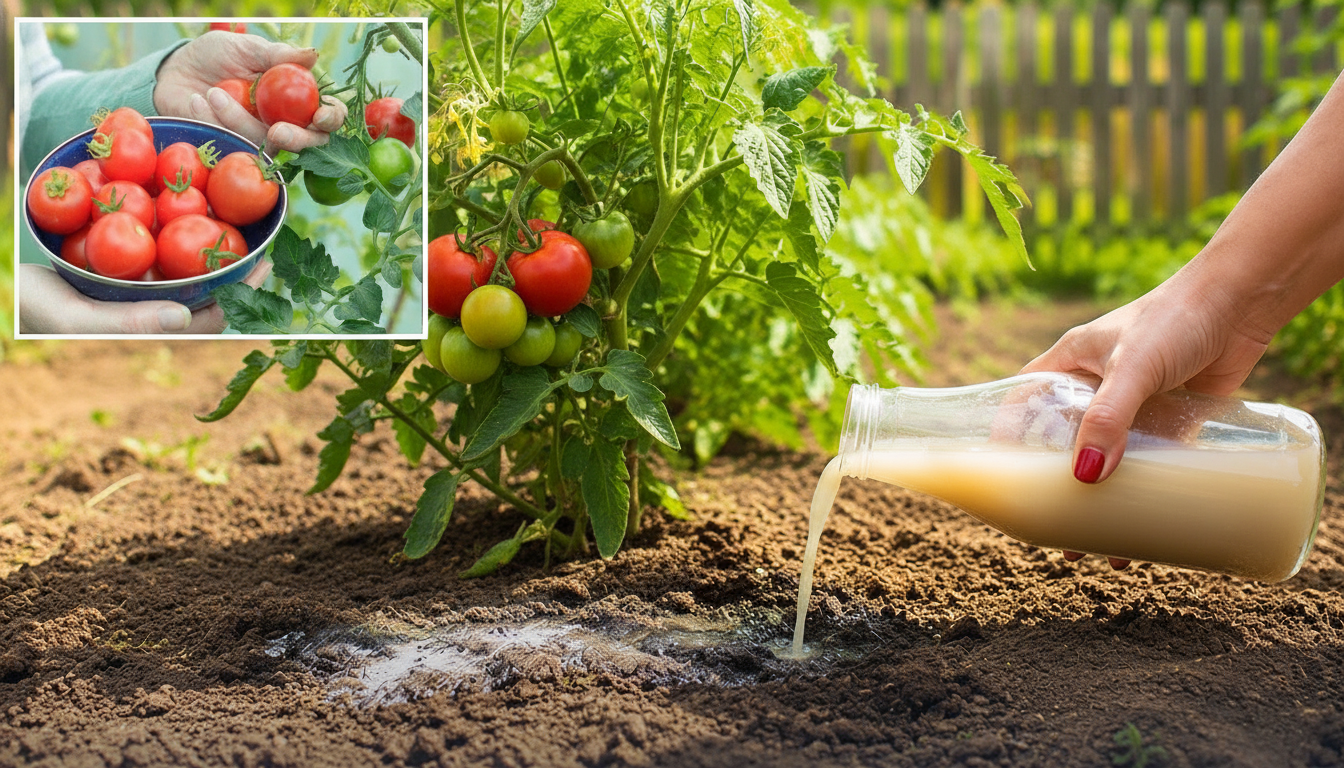
- Tomatoes, which release phytoncides that reduce harmful microorganisms in the soil.
Conversely, certain plants should be kept away from gooseberries:
- Black currant, as it shares common pests with gooseberries.
- Raspberry, which competes aggressively for moisture and nutrients.
- Grape vines, because they create excessive shade.
- Walnut trees, which release substances that inhibit the growth of nearby plants.
Essential Guidelines for Growing Gooseberries
For optimal growth, maintain a distance of at least 1 meter between gooseberry bushes and plant them in sunny locations or light partial shade. Following these spacing and placement guidelines will support healthy development and increase fruit yield. Proper plant compatibility is a vital aspect of modern gardening, helping to optimize cultivation practices for better quality and quantity of harvest, which is increasingly important for home growers and market gardeners alike.
Read also
- Blago Becomes Lead Partner of Lviv Fashion Week: What This Means for Ukrainian Designers
- From Johnson’s Memoir to the War of Tomorrow: 5 Must-Read Books Coming in 2026
- Forecaster Didenko Issues Weather Update for July 15: Where Rain Is Expected
- How to Choose a School Backpack: Key Factors for Your Child's Health and Comfort
- A Simple Recipe for Tomato Fertilizer Made from Yeast and Banana Peels
- Custom Door Signs Over Stock Options: How Office and Residential Navigation Is Evolving