A Complete Guide to Spring Fertilization for Blueberries.

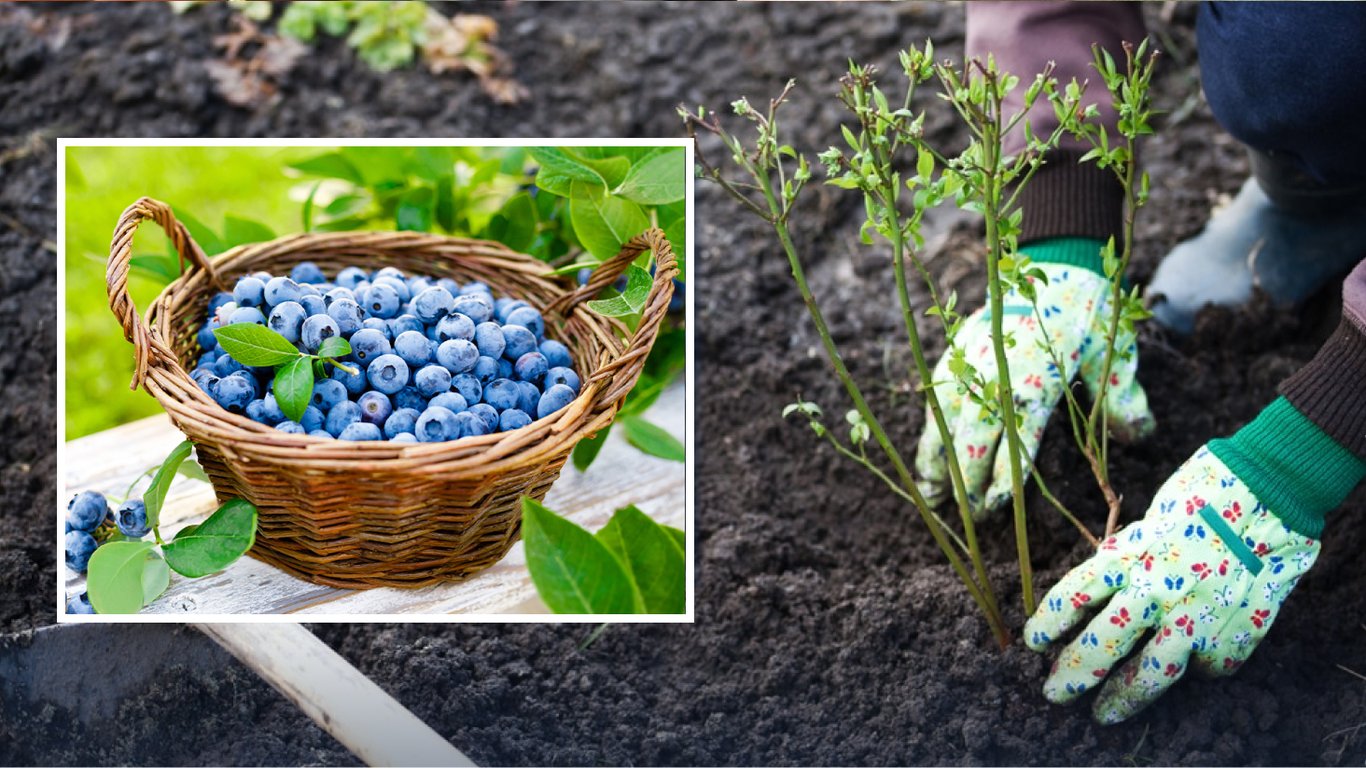
Spring Feeding for Blueberry Bushes
According to Novyny.live: Providing the correct nutrients in spring is crucial for establishing optimal conditions for blueberry growth and development. This guide covers application timing, fertilizer types, and methods. The first feeding should occur in late March or early April, with a second application following in May.
Fertilization Guidelines
For the initial spring feeding, the following fertilizers are recommended:
- Ammonium sulfate
- Nitroammophoska
- Urea
- Ammonium nitrate
Application rates vary depending on the plant's age:
- Young bushes: 10-15 grams of fertilizer
- Bushes aged 3-4 years: 30-40 grams
- Mature bushes: 30-70 grams
This initial feeding supplies essential nutrients at the start of the growing season. Blueberries are acid-loving plants, which is a key factor in fertilizer selection.
For the second feeding in May, it is advisable to use:
- Potassium sulfate
- Magnesium sulfate
These fertilizers support fruit development and overall plant vigor. It is also vital to monitor soil acidity, which should be maintained at approximately pH 3.5-5.0 for blueberries to ensure proper nutrient uptake.
Certain amendments should be strictly avoided, including:
- Manure
- Chicken droppings
- Compost (humus)
- Wood ash
These materials can negatively alter the soil's acidity. For mulching blueberries, the most suitable materials are:
- Sphagnum peat moss
- Pine bark
- Coniferous wood chips (sawdust)
- Pine cones
Adhering to these recommendations will promote healthy blueberry growth and a bountiful harvest.
Proper fertilization is not only about achieving a quality yield but also about maintaining plant health, which influences resistance to diseases and pests. Given blueberries' specific cultivation requirements, growers should carefully follow fertilizer guidelines to avoid adverse effects. As blueberries gain popularity, knowledge of their proper care is becoming increasingly important for gardeners and farmers.
Read also
- A Simple Recipe for Tomato Fertilizer Made from Yeast and Banana Peels
- Custom Door Signs Over Stock Options: How Office and Residential Navigation Is Evolving
- Best Haircuts for Thick Hair: Styles That Enhance Your Natural Beauty
- Financial and Relationship Shifts Await in July 2026: Which Zodiac Signs Should Prepare
- Zucchini Plants Overrun with Male Flowers: How to Fertilize for a Bumper Harvest
- Aries Set to Be the Week's Biggest Winners: What Retrograde Neptune Has in Store