Reviving Frost-Damaged Hydrangeas: A Guide to Pruning and Protection.

Restoring Hydrangeas After a Frost: Key Steps for Recovery
According to Novyny.live: Hydrangeas that have suffered frost damage require specific care to bounce back. Before starting any treatment, it's crucial to assess the plant's condition. Blackened leaves and buds are often a sign of death, while dry stems will snap and living ones will bend. If you see green beneath the bark, the wood is alive and has the potential to recover. Hydrangeas are beloved garden shrubs, but their showy blooms can be vulnerable to late spring or early fall frosts.
Pruning and Care Techniques
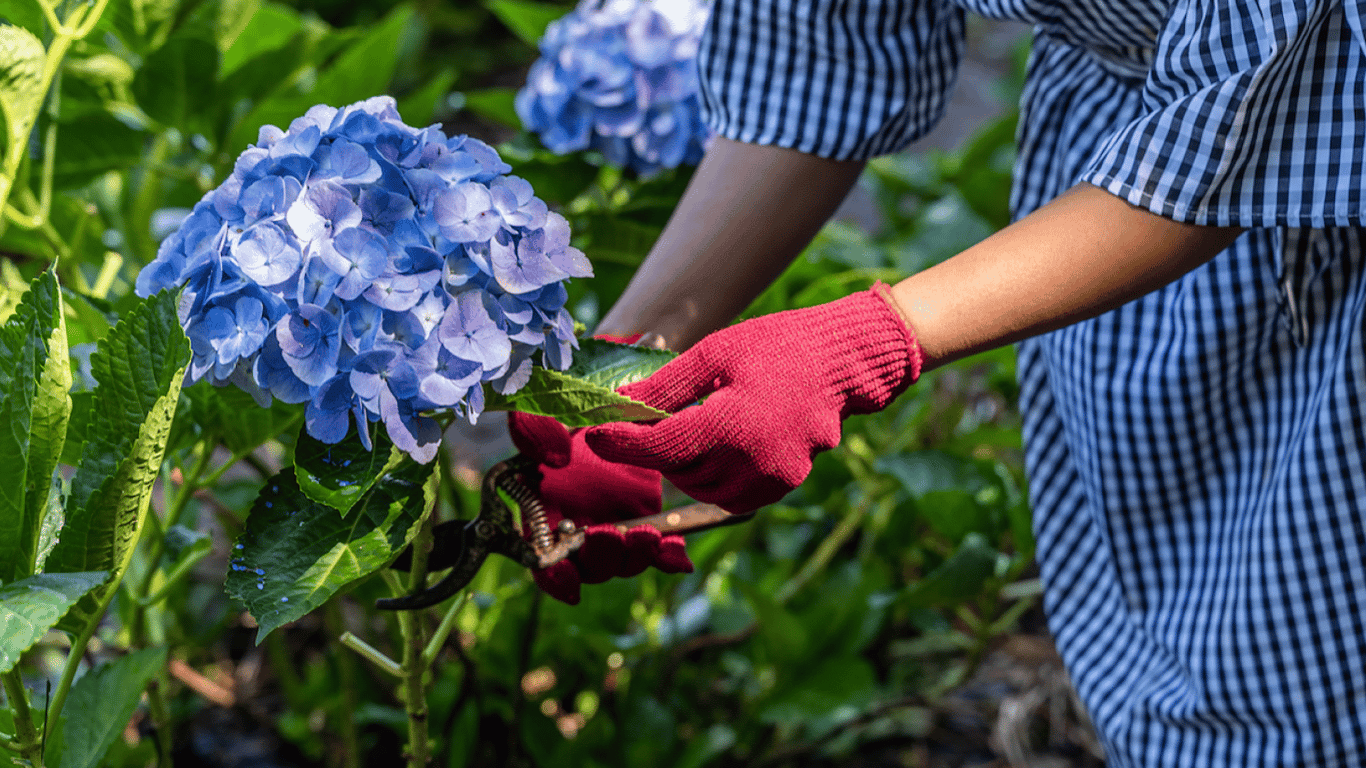
Pruning is a vital part of the revival process for these plants. Bigleaf hydrangeas, which form their flower buds on old wood, should not be pruned too early in the season. In contrast, smooth hydrangea varieties can be pruned more readily to stimulate new growth. Beyond pruning, essential care steps include:
- Mulching
- Watering
These measures provide the necessary support to help the plants recover from the cold stress.
Shielding Plants from Future Frosts
Protecting hydrangeas from potential future frosts is also key. For in-ground shrubs, it's recommended to cover them with horticultural fleece or burlap to retain warmth. Potted hydrangeas, on the other hand, should be brought indoors to a sheltered location where they can survive freezing temperatures.
When caring for frost-affected hydrangeas, it's important to avoid common mistakes. Timely pruning, proper protection, and close attention to the plant's condition can significantly improve its chances of recovery. By following this advice, gardeners can ensure their hydrangeas enjoy healthy and successful growth in the new season. With the right approach, you can help these decorative plants thrive and secure their beautiful flowering for the future, which is essential for any garden's appeal.
Read also
- Blago Becomes Lead Partner of Lviv Fashion Week: What This Means for Ukrainian Designers
- From Johnson’s Memoir to the War of Tomorrow: 5 Must-Read Books Coming in 2026
- Forecaster Didenko Issues Weather Update for July 15: Where Rain Is Expected
- How to Choose a School Backpack: Key Factors for Your Child's Health and Comfort
- A Simple Recipe for Tomato Fertilizer Made from Yeast and Banana Peels
- Custom Door Signs Over Stock Options: How Office and Residential Navigation Is Evolving