A Three-Step Feeding Guide to Encourage a Second Bloom in Your Christmas Cactus.

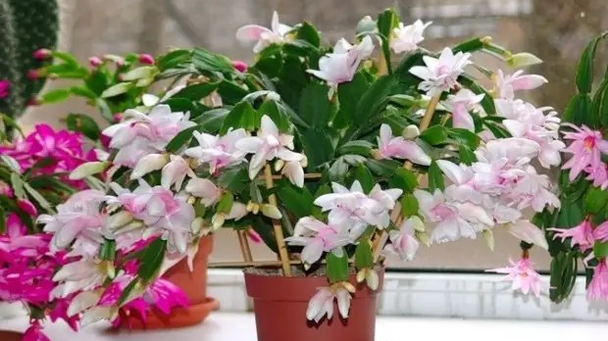
Preparing Your Christmas Cactus for Blooming
According to TSN.ua: Ensuring your Christmas cactus (Schlumbergera) re-blooms successfully requires a specific preparation period beginning in February. This phase is crucial for allowing the plant to rest and gather strength for its next flowering. To create optimal conditions, maintain a cool environment with temperatures between 12 and 17 degrees Celsius. This cooler rest period is essential for triggering bud formation later in the year.
Watering and Fertilization Strategy
Adjusting your watering routine is equally important. During February, you can water weekly with approximately 100 ml of water. After this month, however, reduce watering to once every ten days. This controlled schedule promotes healthy development and prevents root rot from overwatering, which can severely damage the plant.
For fertilization, a sequence of three specific supplements is recommended:
- Wood ash solution
- Apple infusion
- Boric acid solution
To prepare the wood ash fertilizer, steep two tablespoons of ash in one liter of water for three hours. The apple infusion is made by soaking 200 grams of fresh apples in a liter of water for two days. For the boric acid solution, first dissolve 1 gram in a glass of hot water, then dilute this mixture to make one full liter. These homemade solutions provide key nutrients that support robust flowering.
Proper preparation lays the foundation for a spectacular second bloom. Adhering to the correct temperature range, restricted watering, and targeted feeding are all vital aspects that will help your Christmas cactus reveal its full beauty. Following these guidelines maximizes the plant's potential for a vibrant and healthy flowering display.
This advice is particularly valuable for gardeners and plant enthusiasts aiming to provide optimal care for their indoor plants. It underscores how a disciplined approach to watering and nutrition can significantly impact flowering quality. By implementing these straightforward steps, you can achieve impressive results in cultivating this popular holiday plant.
Read also
- Boost Potato Yields by 30% with Proper Hilling: Timing and Techniques
- Charlemagne and Roquefort: The Story Behind France's Most Iconic Cheese
- Four Zodiac Signs Set for Good Fortune in June 2026: See Who Makes the Cut
- She Spent $35,000 Fixing Up a Rental She Doesn’t Own: One Tenant’s Story
- A Simple Summer Salad with Young Cabbage and Cucumbers: Recipe from 'Kitchen with Marina'
- When the Sun Stands Still: Summer Solstice 2026 Date, Traditions, and What to Expect