Three Steps to Revive Old Seeds for Strong, Natural Germination.

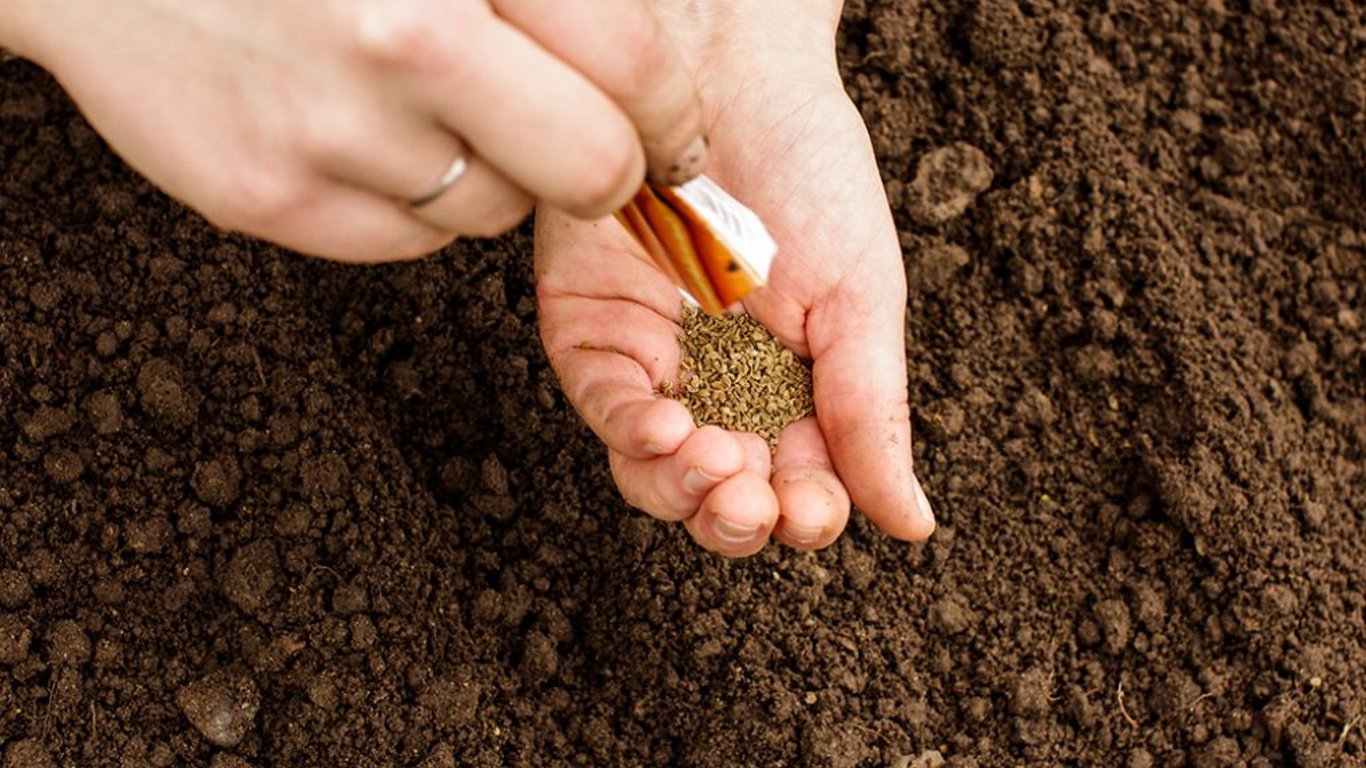
Awakening Old Seeds: Faster Germination Without Chemicals
According to Novyny.live: Gardeners often face frustration when old seeds or those with hard shells take weeks to sprout. However, effective, natural techniques exist to achieve strong, uniform germination without resorting to synthetic growth stimulants. Pre-soaking and creating a warm, humid environment can accelerate the germination process by three to five times, reducing the wait for sprouts to just 3-5 days instead of the typical 2-4 weeks. This approach is particularly valuable for heirloom varieties or seeds saved from previous seasons.
Before starting, it's crucial to test seed viability. Dissolve one teaspoon of salt in a glass of water. Seeds that float to the surface are typically non-viable, while those that sink to the bottom are suitable for the germination process.
The Three-Step Process for Seed Revival
- Step 1: Test seed viability.
- Step 2: Disinfect and activate.
- Step 3: Germinate in warmth.
Once viability is confirmed, the next step involves disinfection and activation. Viable seeds are soaked for 20 minutes in a mild chlorhexidine solution, using 0.5 teaspoons per glass of water. This helps eliminate potential bacteria and fungi that could harm the developing sprouts.
Following treatment, creating optimal conditions is key. Place the container with seeds in a warm location, maintaining a consistent temperature between 25-28 °C (77-82 °F). This warmth activates the germination process, encouraging quicker emergence of healthy seedlings.
These simple yet effective methods allow gardeners to significantly increase the success rate of germinating old seeds, yielding robust and uniform sprouts without chemical aids. For many home growers, this natural approach aligns with organic gardening principles and can save money on purchasing new seed packets each year.
This seed revival technique benefits not only amateur gardeners but also professionals seeking to reduce reliance on chemical inputs. Paying attention to seed viability and creating ideal sprouting conditions can lead to better crop yields and lower risks associated with poor-quality seeds. Ultimately, such practices support more sustainable agricultural development and a reduced environmental footprint.
Read also
- Blago Becomes Lead Partner of Lviv Fashion Week: What This Means for Ukrainian Designers
- From Johnson’s Memoir to the War of Tomorrow: 5 Must-Read Books Coming in 2026
- Forecaster Didenko Issues Weather Update for July 15: Where Rain Is Expected
- How to Choose a School Backpack: Key Factors for Your Child's Health and Comfort
- A Simple Recipe for Tomato Fertilizer Made from Yeast and Banana Peels
- Custom Door Signs Over Stock Options: How Office and Residential Navigation Is Evolving