Winter Survival: The Biological Secrets That Keep Birds Alive in the Freezing Cold.

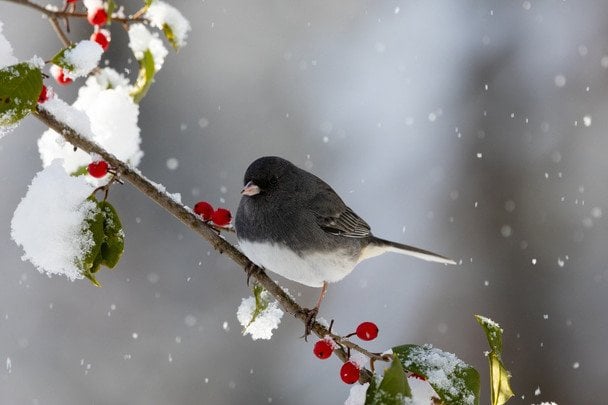
How Birds Adapt to Winter's Harsh Conditions
According to TSN.ua: During the frigid winter months, birds exhibit remarkable biological adaptations that enable their survival. These strategies, which include specialized feathers, unique circulatory systems, and even brain changes, are crucial for conserving heat and maintaining activity in the most challenging environments. For many in temperate climates, these small creatures are a common sight braving the cold, yet their survival tactics are extraordinarily complex.
A bird's natural insulation comes from its plumage; feather density can increase by 35-70% in winter, creating a vital extra layer of protection. Some species also employ clever food-storing behaviors to conserve energy. For instance, chickadees may hide up to 80,000 seeds in a single season, ensuring a reliable food reserve when conditions turn severe.
Energy Conservation and Other Key Adaptations
Another critical survival tool is the ability to enter a state of short-term torpor. In this condition, birds can slow their heart rate and lower their body temperature by up to 95%, drastically reducing energy expenditure. Furthermore, their legs and feet possess a specialized circulatory adaptation that prevents freezing, allowing them to perch on ice without harm.
Brain changes also play a significant role in winter survival. As part of their adaptation to cold climates, birds can activate an "energy-saving mode," which allows for more efficient use of available resources. These physiological and neurological shifts demonstrate a profound capacity for behavioral and biological change in response to extreme environmental pressure.
Collectively, these adaptations underscore the incredible resilience of birds in the face of ecological challenges. Understanding these internal processes is not only fascinating but can also aid in the conservation of species threatened by climate change and human activity. Research into these biological mechanisms may further inform how other animals develop adaptive strategies for surviving in harsh conditions.
Read also
- Onion Bolting Threatens Your Harvest: A Simple Chemical-Free Solution to Save It
- June’s Best Fertilizer for Peonies: How to Extend Their Blooming Beauty
- This Summer's Must-Have: Stylists Reveal the Perfect Pairings for a White Skirt
- Boost Potato Yields by 30% with Proper Hilling: Timing and Techniques
- Charlemagne and Roquefort: The Story Behind France's Most Iconic Cheese
- Four Zodiac Signs Set for Good Fortune in June 2026: See Who Makes the Cut