Essential Winter Survival Guide for Houseplants Without Central Heating.

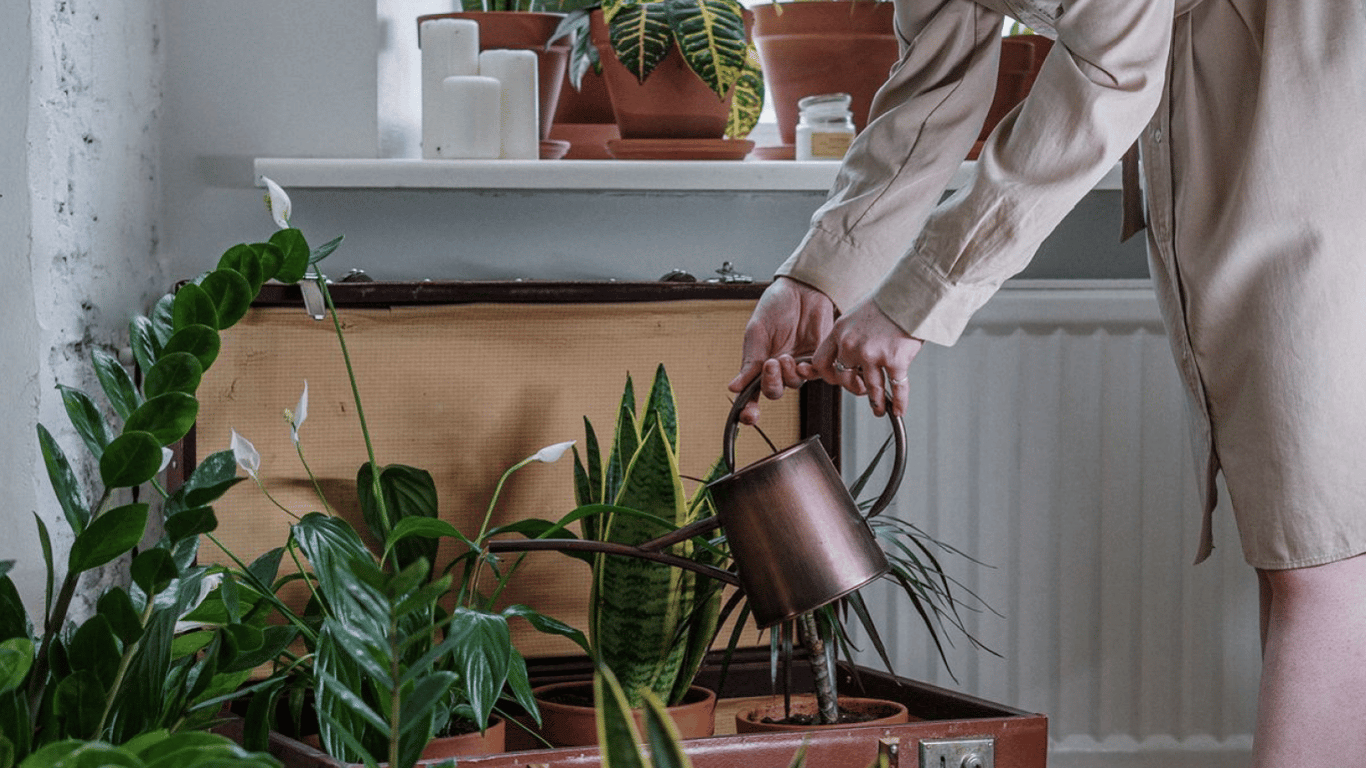
Caring for Houseplants During the Cold Season
According to Novyny.live: When temperatures drop and central heating is unavailable, many houseplant enthusiasts face the challenge of keeping their green companions alive. Proper care under these conditions is critical for their survival, with key advice focusing on temperature, light, and watering practices. This is a common concern for those in older buildings, during power outages, or for gardeners seeking to reduce energy consumption.
Key Care Factors
- Temperature: Maintaining the correct temperature is the most crucial factor for a plant's survival. Species like cyclamens, hydrangeas, and pelargoniums thrive in a cooler range of 10-16°C, while tropical plants require a warmer environment of 17-22°C. It is vital to avoid drafts and sudden temperature fluctuations, as these conditions can be particularly harmful.
- Light: Light plays a significant role in winter plant care. As daylight hours shorten and intensity diminishes, natural light may become insufficient. Consider using supplemental grow lights to compensate for the deficit and help maintain plant health.
- Watering: Watering houseplants in cold conditions requires special attention. Many plants enter a dormant state and need far less moisture; some, like succulents, may not require watering for several weeks. Adjusting your routine to avoid overwatering is essential to prevent root rot and plant death.
If plants have already suffered cold damage, their chances of recovery can improve over a period of 4 to 8 weeks. Adhering to the guidelines on temperature, light, and watering will provide the best possible conditions for their rehabilitation.
By following these straightforward yet effective rules, you can significantly increase the likelihood of your houseplants surviving the winter months without central heating.
Given that winter can be a challenging time for indoor plants, it is important for owners to be well-informed about the specific needs of their green companions.
Maintaining optimal indoor conditions can prevent the negative effects of cold exposure and support healthy plant growth throughout the chilly season. Heeding this advice will help preserve not only the aesthetic appeal of your plants but also their long-term viability.
Read also
- Blago Becomes Lead Partner of Lviv Fashion Week: What This Means for Ukrainian Designers
- From Johnson’s Memoir to the War of Tomorrow: 5 Must-Read Books Coming in 2026
- Forecaster Didenko Issues Weather Update for July 15: Where Rain Is Expected
- How to Choose a School Backpack: Key Factors for Your Child's Health and Comfort
- A Simple Recipe for Tomato Fertilizer Made from Yeast and Banana Peels
- Custom Door Signs Over Stock Options: How Office and Residential Navigation Is Evolving