Four Essential Guidelines for Selecting High-Germination Vegetable Seeds.

Four Essential Guidelines for Selecting High-Germination Vegetable Seeds
According to Novyny.live: A successful harvest begins with choosing the right seeds. Following a few key principles can significantly improve germination rates and overall plant health. This article outlines four fundamental rules to help you select the best vegetable seeds for your garden.
-
Rule One: Verify Source and Viability
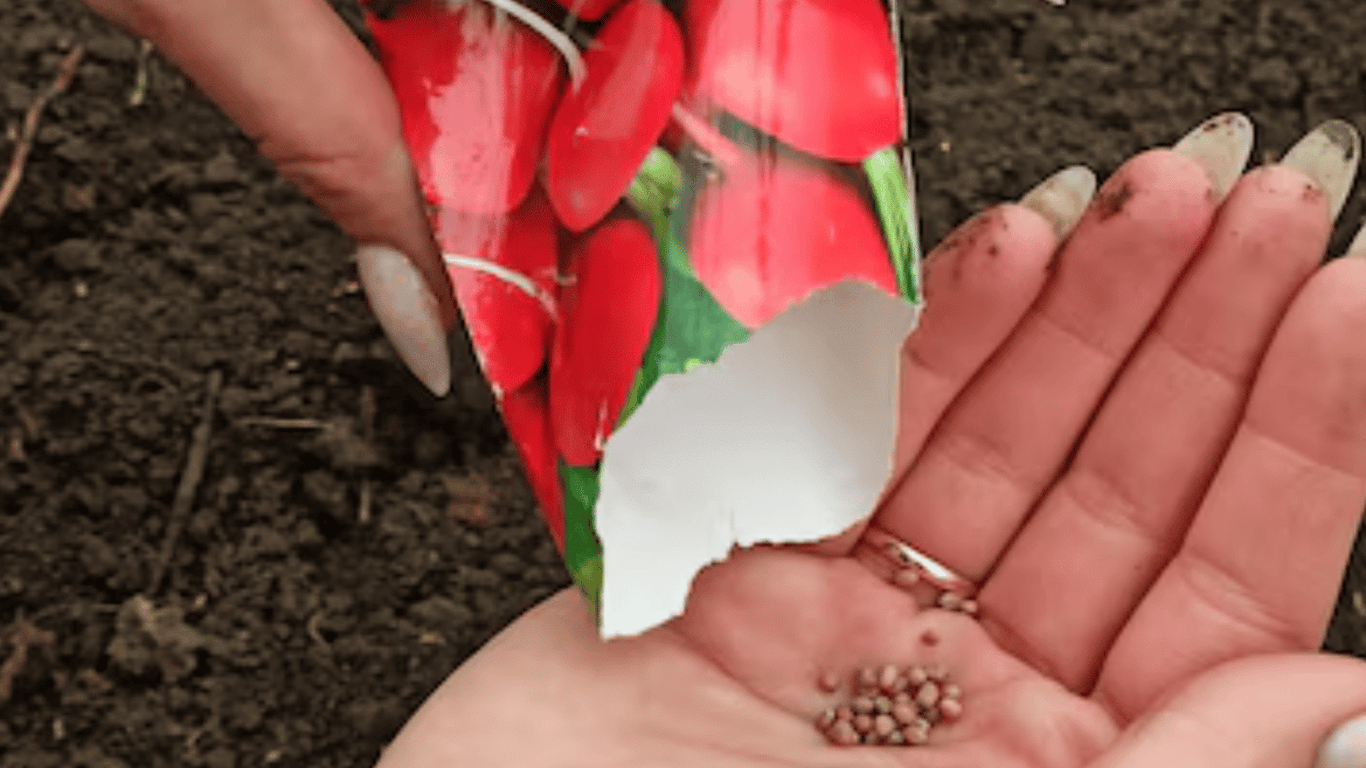
Always check the seed's expiration date and the reputation of the producer. Reliable packaging should clearly state the variety, packaging year, expiration date, and lot number. This information is crucial for ensuring seed quality and viability.
-
Rule Two: Inspect Physical Quality
Examine the seeds' appearance. High-quality seeds are uniform in size, dense, and free from cracks, dark spots, or unusual odors. These visual and tactile checks are reliable indicators of a seed's suitability for planting.
-
Rule Three: Conduct Simple Home Tests
Use basic methods to test seed viability. One common technique is the water test: seeds that float after 10 minutes are often hollow and unlikely to germinate. Alternatively, light, dry seeds may be attracted to a statically charged object, while dense, viable seeds will not move.
-
Rule Four: Prepare Seeds for Germination
Proper preparation before sowing is vital. Soak seeds in a weak potassium permanganate solution for 20-30 minutes. This process helps activate germination and reduces the risk of soil-borne diseases.
Adhering to these straightforward guidelines will help you select robust vegetable seeds, laying the foundation for a productive harvest. For home gardeners, starting with high-quality seeds is one of the most effective ways to ensure a rewarding growing season.
Selecting superior seeds is a critical step for both gardeners and farmers, as it directly impacts the final yield. Given the growing interest in organic gardening and sustainable agriculture, following these recommendations can greatly increase the likelihood of cultivating healthy plants and achieving a reliable harvest. This, in turn, supports broader goals of food security and agricultural development.
Read also
- Blago Becomes Lead Partner of Lviv Fashion Week: What This Means for Ukrainian Designers
- From Johnson’s Memoir to the War of Tomorrow: 5 Must-Read Books Coming in 2026
- Forecaster Didenko Issues Weather Update for July 15: Where Rain Is Expected
- How to Choose a School Backpack: Key Factors for Your Child's Health and Comfort
- A Simple Recipe for Tomato Fertilizer Made from Yeast and Banana Peels
- Custom Door Signs Over Stock Options: How Office and Residential Navigation Is Evolving