Three Essential Rules for Protecting Your Magnolia Tree This Winter.

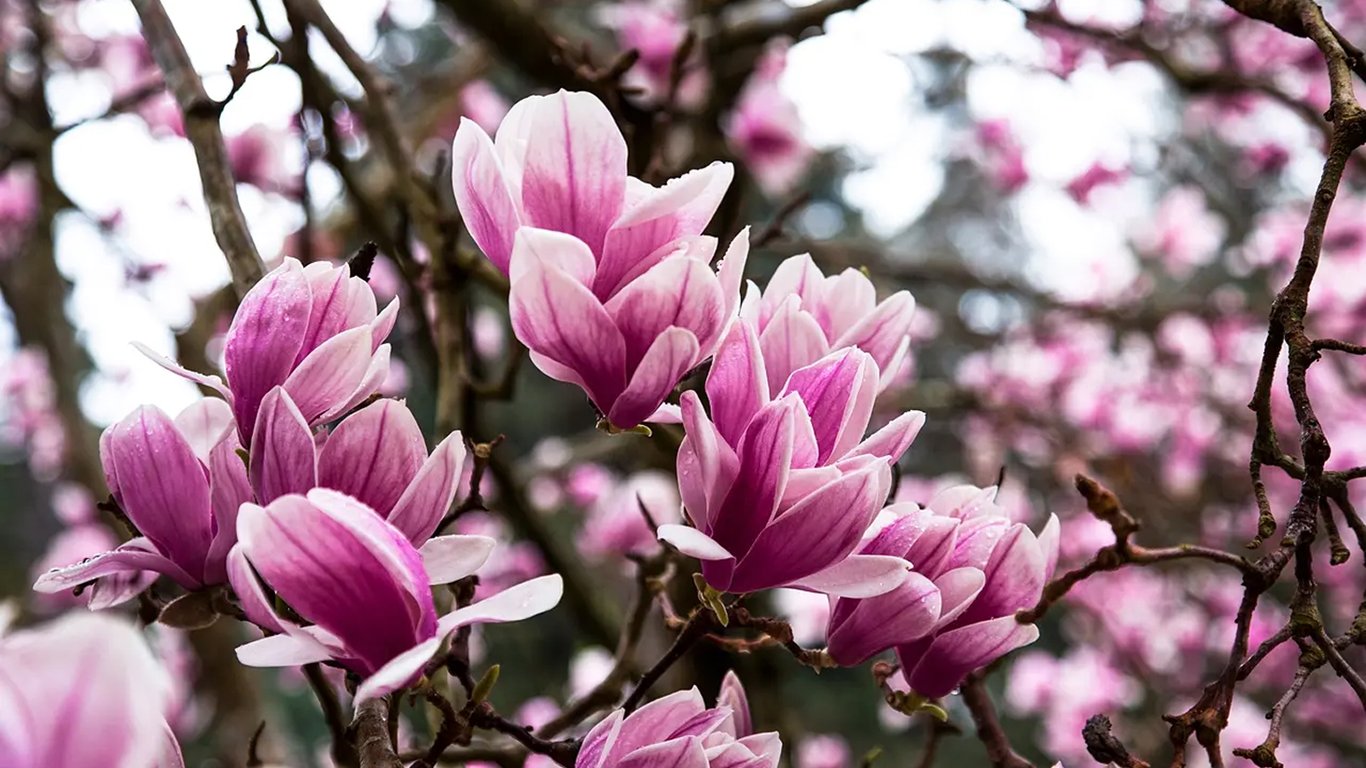
Essential Winter Care for Magnolia Trees
According to Novyny.live: Winter can be a challenging season for magnolia trees, as they are sensitive to frost, temperature fluctuations, and soil that dries out. To prevent the loss of their precious flower buds, it's crucial to follow a few key care guidelines during the cold months. Magnolias are prized ornamental trees, and proper winter care is essential for their spectacular spring bloom.
Preparing for Frost and Freezing Temperatures
Proper preparation before the first hard frost is vital. The soil around a magnolia should be moist yet well-drained, with a slightly acidic pH being optimal. This can be achieved by monitoring soil composition and adding amendments as needed. Since magnolias have a shallow, fibrous root system, providing adequate moisture and frost protection for the roots is especially important.
The Importance of Mulching and Protective Covering
Mulching and protective covering form another critical part of winter care. It is recommended to mulch the area around the tree's base with a 5-7 cm layer of pine needles or bark chips. This helps retain soil moisture and insulates the roots from the cold. Using burlap or a frost cloth to shield younger trees can also protect them from harsh winds and freezing temperatures.
Conversely, certain actions should be avoided in winter. Pruning branches in autumn or winter is not recommended, as it can stress the plant. It is also important to refrain from fertilizing a magnolia in its first year after planting. Pruning should only be done after the tree has finished flowering to avoid harming it during the dormant season.
By adhering to these straightforward guidelines, you can successfully prepare your magnolia for winter and ensure its survival through the cold season.
Providing correct winter care is a key factor in preserving the health of this vulnerable yet beautiful tree. Timely preparatory measures like mulching and covering can significantly reduce the risk of damage from frost and temperature swings. This will not only help your magnolia survive the winter but also thrive and bloom beautifully in the coming spring.
Read also
- Blago Becomes Lead Partner of Lviv Fashion Week: What This Means for Ukrainian Designers
- From Johnson’s Memoir to the War of Tomorrow: 5 Must-Read Books Coming in 2026
- Forecaster Didenko Issues Weather Update for July 15: Where Rain Is Expected
- How to Choose a School Backpack: Key Factors for Your Child's Health and Comfort
- A Simple Recipe for Tomato Fertilizer Made from Yeast and Banana Peels
- Custom Door Signs Over Stock Options: How Office and Residential Navigation Is Evolving