Securing Your Chicken Coop from Rodents: Sealing Entry Points and Effective Traps.

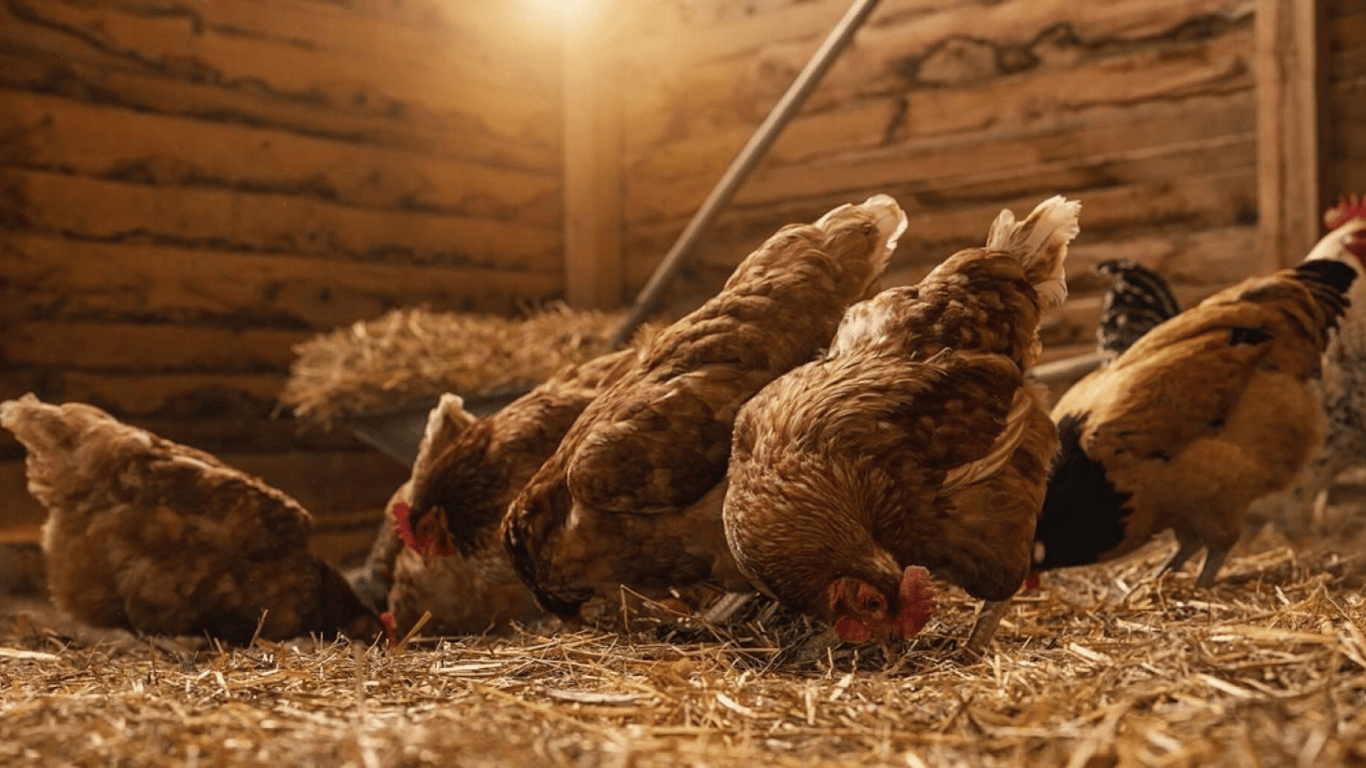
Managing Rodent Infestations in Chicken Coops
According to Novyny.live: Controlling rodents is a critical part of responsible poultry management. Effective strategies involve sealing entry points, deploying traps, and using readily available materials. Experts warn that mice and rats can squeeze through openings as small as 6 mm. For poultry owners, this makes regular inspections and prompt repairs of any holes essential to protect their flock.
Proven Rodent Control Techniques
The first line of defense is to seal all potential rodent entryways. Materials like steel wool or old metal scouring pads are highly recommended, as they can effectively block animals from gnawing their way in. Conducting a thorough monthly inspection of the coop structure allows you to spot and close new breaches quickly, which also helps minimize the risk of disease transmission.
Effective traps should be placed in a 'T' formation along walls. This setup increases the catch rate, as rodents typically travel along perimeters. A bucket trap is another useful tool capable of catching multiple rodents at once. This can be particularly effective when dealing with a significant infestation.
Overall, a simple combination of common materials, consistent inspections, and well-placed traps can drastically reduce the rodent population in a chicken coop. By following these guidelines, flock owners can create a safer environment for their birds, preventing potential losses and illness.
Ensuring poultry are safe from rodents is absolutely vital for successful farming. Rodents not only cause direct damage but can also carry dangerous diseases that threaten bird health and, ultimately, human health. Therefore, taking timely action to control and prevent rodent presence can significantly lower business risks and provide better living conditions for poultry.
Read also
- Blago Becomes Lead Partner of Lviv Fashion Week: What This Means for Ukrainian Designers
- From Johnson’s Memoir to the War of Tomorrow: 5 Must-Read Books Coming in 2026
- Forecaster Didenko Issues Weather Update for July 15: Where Rain Is Expected
- How to Choose a School Backpack: Key Factors for Your Child's Health and Comfort
- A Simple Recipe for Tomato Fertilizer Made from Yeast and Banana Peels
- Custom Door Signs Over Stock Options: How Office and Residential Navigation Is Evolving