Essential Winter Footwear and Insulation Tips to Keep Your Feet Warm.

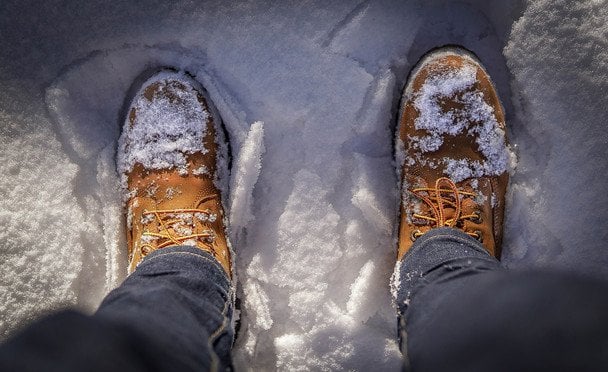
Keeping Your Feet Warm in Winter: A Guide to Footwear and Insulation
According to TSN.ua: While winter walks can be enjoyable, exposure to low temperatures and damp conditions carries the risk of frostbite or hypothermia. Selecting appropriate footwear, socks, and insulation is crucial to avoid these dangers and maintain warmth and comfort during the cold season. For those in colder climates, proper foot protection is a key part of staying safe outdoors in winter.
Choosing the Right Footwear
Your choice of boots is fundamental to protecting your feet from the cold. Athletic shoes with mesh uppers are unsuitable for freezing weather, as they fail to provide adequate insulation. Proper winter footwear should be flexible, allowing your foot to move naturally while offering reliable protection from low temperatures.
To block the circulation of cold air, you can use adhesive tape to seal any gaps in your boots. An additional thermal layer can be created by placing paper or newspaper inside your shoes. Furthermore, food-grade polyethylene film or a plastic bag can help retain heat by creating a barrier against the cold.
Insulation and Socks
Selecting the right socks is a vital element of staying warm. The best combination for winter conditions is a thin polypropylene sock worn underneath an outer wool sock. It's important to avoid cotton products, as they absorb moisture, which can lead to your feet freezing. Socks made from merino wool or specialized technical fabrics help keep skin dry and provide added comfort.
You can also use disposable chemical toe warmers, which provide heat for up to six hours. This simple solution can significantly increase comfort during long walks or extended periods in the cold.
Staying active is equally important, as movement helps maintain body heat. Regular physical activity during winter walks promotes better blood circulation, which also reduces the risk of hypothermia.
By keeping these recommendations in mind, you can enjoy winter walks without risking your health.
Given the increasing number of frostbite and hypothermia cases during the winter months, this advice is particularly relevant. Many people underestimate the importance of proper winter protection, which can lead to serious health issues. Therefore, following these guidelines on footwear and foot insulation can substantially lower the risks associated with low temperatures and ensure comfort during cold-weather outings. Proper preparation will help you enjoy winter activities without harm to your health.
Read also
- Blago Becomes Lead Partner of Lviv Fashion Week: What This Means for Ukrainian Designers
- From Johnson’s Memoir to the War of Tomorrow: 5 Must-Read Books Coming in 2026
- Forecaster Didenko Issues Weather Update for July 15: Where Rain Is Expected
- How to Choose a School Backpack: Key Factors for Your Child's Health and Comfort
- A Simple Recipe for Tomato Fertilizer Made from Yeast and Banana Peels
- Custom Door Signs Over Stock Options: How Office and Residential Navigation Is Evolving