Avoid These Plant Pairings: Incompatible Trees for Your Garden.

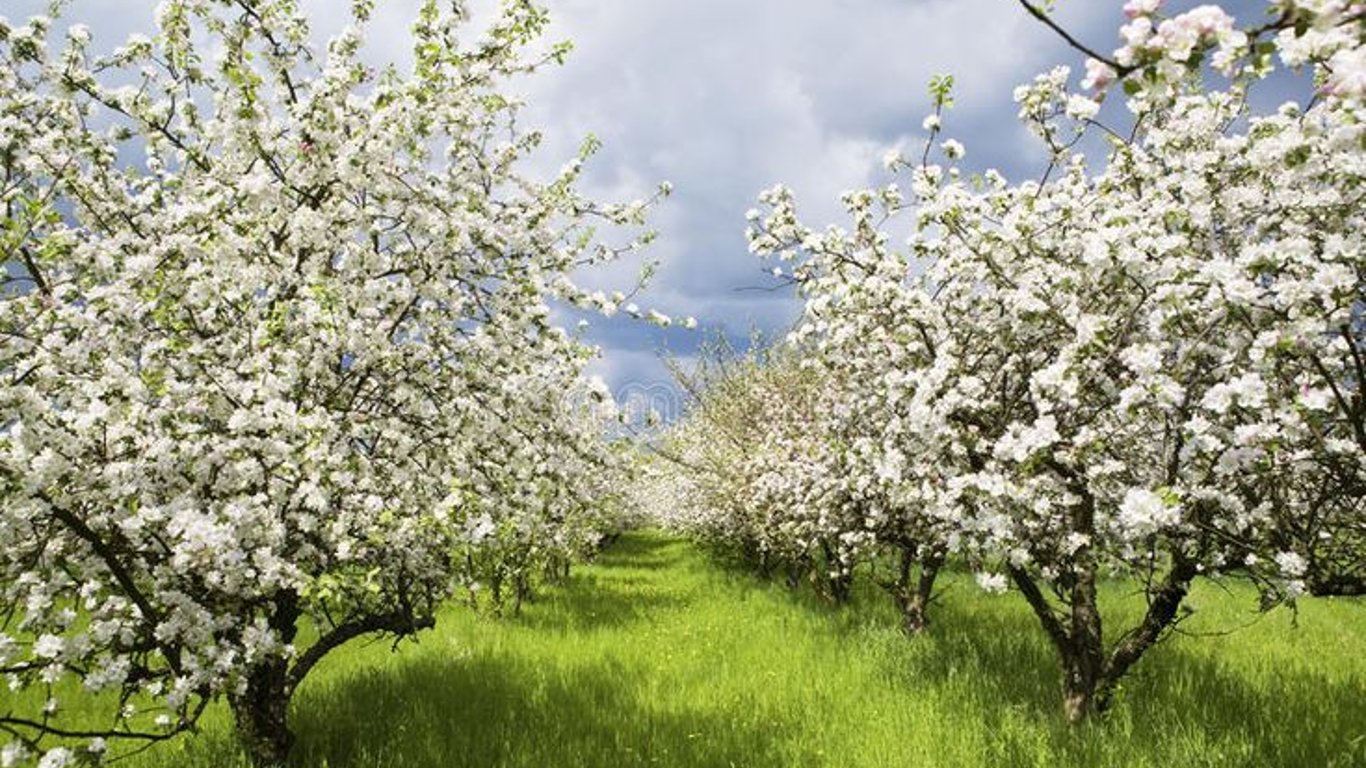
Planting Pitfalls: Trees and Shrubs That Should Not Be Neighbors
According to Novyny.live: When designing your garden's layout, it's crucial to consider plant incompatibility. Certain trees and shrubs can negatively impact each other's growth and yield due to shared diseases, allelopathy (chemical inhibition), competition for light and root space, or soil exhaustion. This is a key principle of companion planting, which aims to create a harmonious and productive garden ecosystem.
For instance, apple trees are known to be incompatible with several common plants, including:
- Juniper
- Raspberry
- Potato
- Sweet cherry
- Pear
- Peach
- Hawthorn
- Lilac
- Viburnum
- Walnut
Rowan trees (mountain ash) also show incompatibility, particularly with apple and cherry trees, though red-berried rowan is an exception. Similarly, apricot trees should not be planted near:
- Walnut
- Sweet cherry
- Sour cherry
- Peach
- Other stone fruit trees
Other problematic pairings to consider during garden planning include pear trees, which do poorly alongside:
- Beech
- Barberry
- Plum trees
Furthermore, blackcurrant bushes conflict with cherry trees, and raspberries are also incompatible with cherries. Gooseberries should not be planted near raspberries, and blackcurrants do not thrive next to redcurrants.
Paying attention to these recommendations when siting each tree or shrub can prevent conflicts that stunt plant development. Understanding these incompatibilities is a fundamental aspect of horticulture, helping gardeners avoid wasting time and resources on plants that may fail due to poor neighboring choices. Careful planning based on this knowledge is essential for cultivating a healthy, vibrant, and fruitful garden.
Read also
- Blago Becomes Lead Partner of Lviv Fashion Week: What This Means for Ukrainian Designers
- From Johnson’s Memoir to the War of Tomorrow: 5 Must-Read Books Coming in 2026
- Forecaster Didenko Issues Weather Update for July 15: Where Rain Is Expected
- How to Choose a School Backpack: Key Factors for Your Child's Health and Comfort
- A Simple Recipe for Tomato Fertilizer Made from Yeast and Banana Peels
- Custom Door Signs Over Stock Options: How Office and Residential Navigation Is Evolving