Avoid These Herb Pairings: Common Mistakes That Ruin Your Garden's Yield.

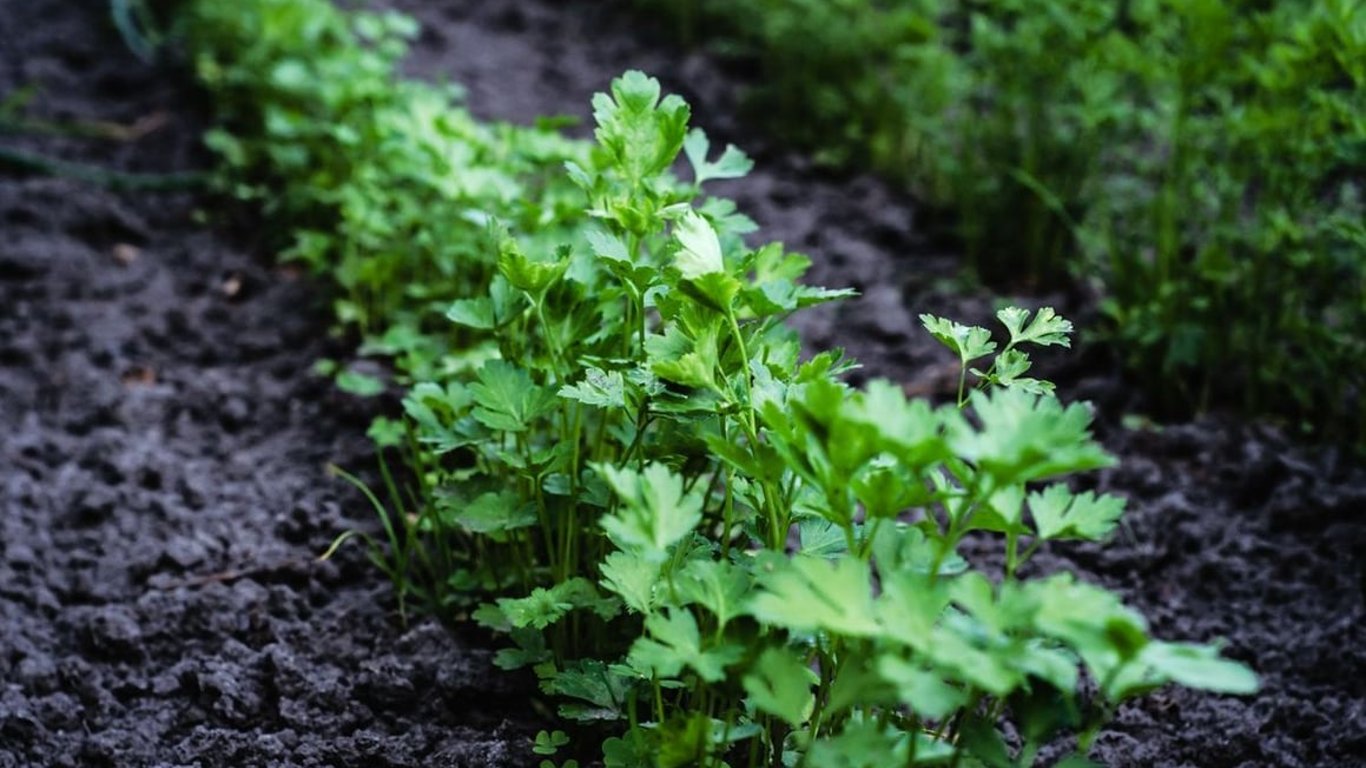
Herb Combinations to Avoid for a Healthy Garden
According to Novyny.live: Strategic placement of herbs in your garden is a critical factor for achieving a bountiful harvest. Experienced gardeners understand that certain herbs should not be planted together due to intense competition for water, sunlight, and soil nutrients. This competition can lead to stunted growth, reduced yields, and a noticeable decline in the flavor quality of neighboring plants. This concept, known as companion planting, is a cornerstone of successful organic gardening.
Mint requires special consideration. It is an aggressive spreader that can quickly dominate garden space and is known to alter the taste of plants growing nearby. For this reason, mint is not an ideal neighbor for most other herbs and is best grown in a separate, contained area to prevent it from negatively impacting your other crops.
Specific Herb Rivalries to Know
- Dill and cilantro are incompatible companions. Cilantro actively inhibits the growth of dill, causing dill plants to become weak and wither prematurely. Gardeners should avoid cultivating these two herbs side-by-side.
- Basil and arugula have very similar requirements for water and nitrogen. When planted together, they compete fiercely for these resources, which often results in both herbs losing their distinctive aromatic qualities and flavor.
- Rosemary and basil are another poor match due to their conflicting soil moisture needs. Rosemary thrives in drier, well-drained soil, while basil prefers consistently moist conditions, making co-planting highly inefficient.
Before planting, it is essential to research each herb's specific requirements for moisture, nutrients, and growth rate. This foresight helps avoid common errors that can jeopardize both the quantity and quality of your harvest. Careful garden planning is the key to ensuring healthy plant development and a successful yield.
Correctly positioning your herbs not only boosts productivity but also enhances the final flavor profile of your plants. By accounting for the unique needs of each species, gardeners can prevent negative interactions between neighboring crops. This knowledge is particularly valuable for maximizing results in gardens with limited resources like water and fertilizer. Understanding these plant relationships allows for optimized horticultural practices and superior gardening outcomes.
Read also
- Blago Becomes Lead Partner of Lviv Fashion Week: What This Means for Ukrainian Designers
- From Johnson’s Memoir to the War of Tomorrow: 5 Must-Read Books Coming in 2026
- Forecaster Didenko Issues Weather Update for July 15: Where Rain Is Expected
- How to Choose a School Backpack: Key Factors for Your Child's Health and Comfort
- A Simple Recipe for Tomato Fertilizer Made from Yeast and Banana Peels
- Custom Door Signs Over Stock Options: How Office and Residential Navigation Is Evolving