Winter Care Guide for Your Areca Palm.

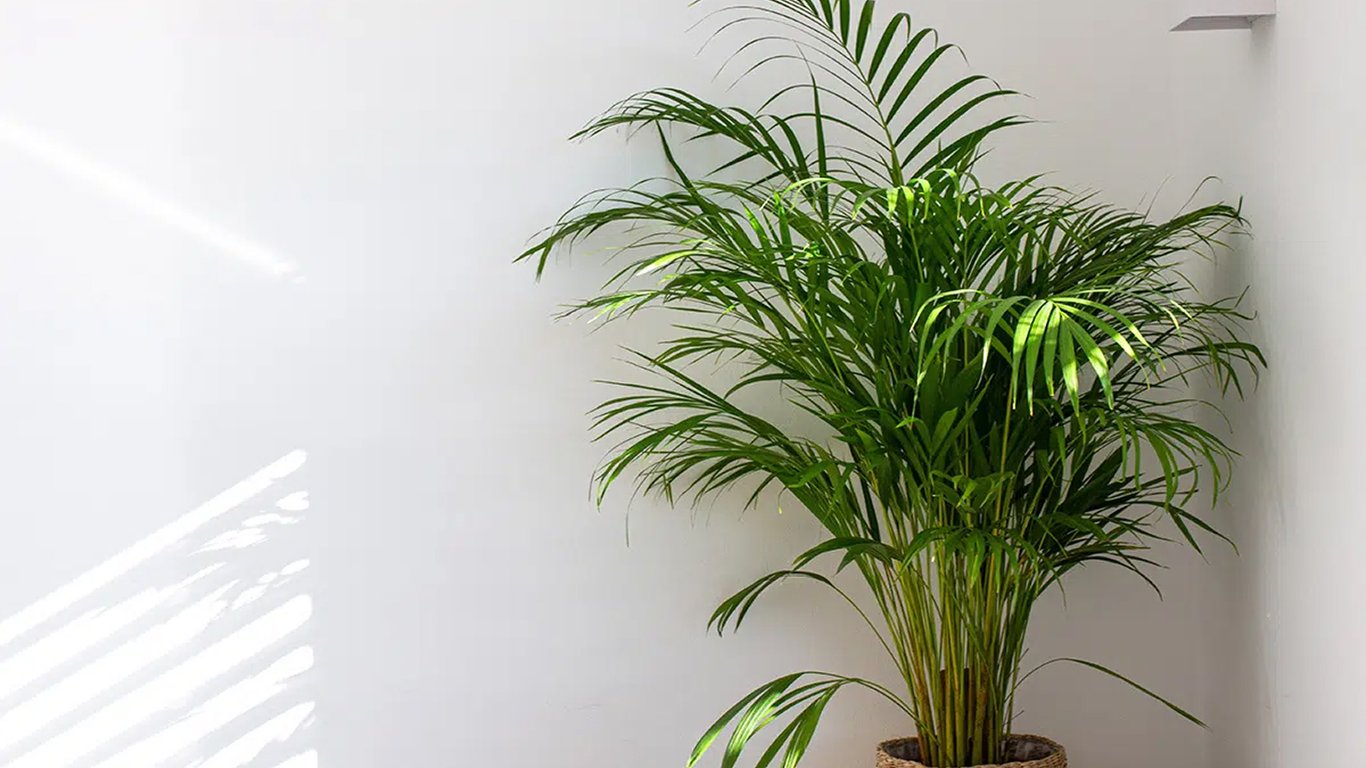
Essential Winter Care for Your Areca Palm
According to Novyny.live: Native to tropical climates, the Areca palm requires special attention during the colder months as it is highly sensitive to low temperatures. To keep your plant healthy, maintain an indoor temperature between 16 and 18 °C (approximately 61-64 °F). Avoid placing the pot on cold windowsills or floors, and shield it from drafts when ventilating the room, as chilling can severely stress the plant.
Since the Areca palm's growth nearly halts in winter, you should water it only after the top 3-4 cm (about 1-1.5 inches) of soil has dried out. This prevents overwatering and the associated risk of root rot. Always use lukewarm, settled water and ensure no water remains stagnant in the saucer to create the best conditions for the plant.
Additional Measures to Support Your Areca Palm
To supplement your care routine, mist the palm's fronds 3 to 4 times a week. This helps maintain the higher humidity levels the plant craves. However, you should suspend all fertilization during winter, as the palm's reduced metabolic activity means it does not require extra nutrients.
By following these guidelines, you can provide your Areca palm with a comfortable environment to weather the winter, preserving both its health and its decorative appeal. While tropical houseplants often need less frequent care in winter, they still require consistent monitoring. Proper watering and humidity control are key to preventing common seasonal issues and ensuring your palm thrives year-round.
Read also
- Blago Becomes Lead Partner of Lviv Fashion Week: What This Means for Ukrainian Designers
- From Johnson’s Memoir to the War of Tomorrow: 5 Must-Read Books Coming in 2026
- Forecaster Didenko Issues Weather Update for July 15: Where Rain Is Expected
- How to Choose a School Backpack: Key Factors for Your Child's Health and Comfort
- A Simple Recipe for Tomato Fertilizer Made from Yeast and Banana Peels
- Custom Door Signs Over Stock Options: How Office and Residential Navigation Is Evolving